
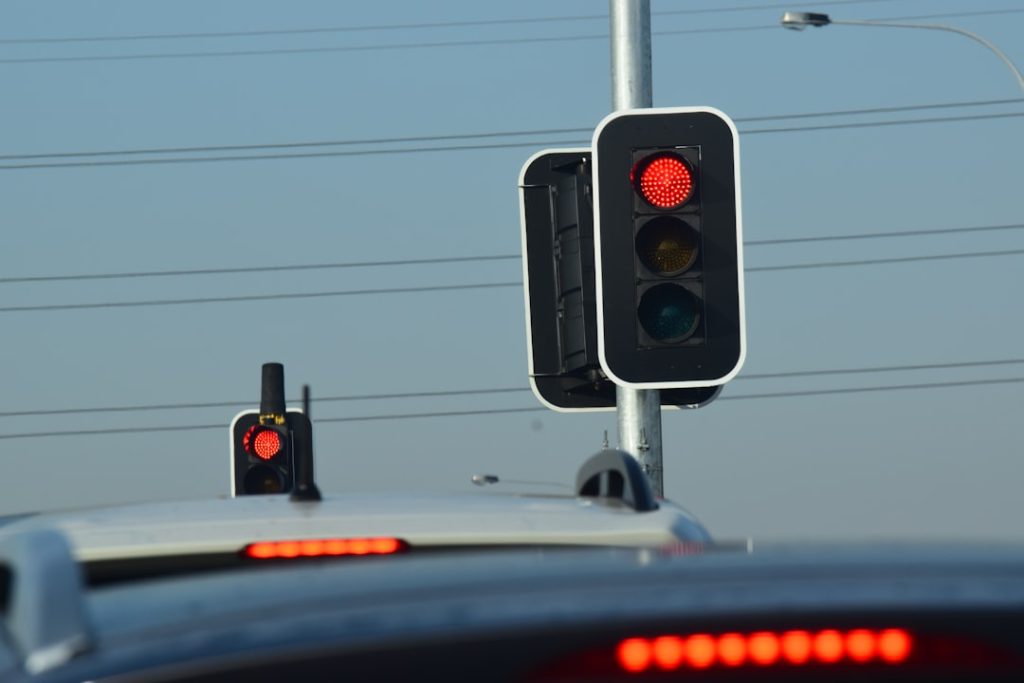
Have you ever found yourself wondering about the design of your car’s lights? You’re not alone.
The combination of turn signals and brake lights can be confusing for many drivers. Understanding how these signals work is crucial for your safety on the road. It can also help you avoid costly mistakes. Imagine driving on a busy highway, only to realize other drivers misunderstood your intentions because your turn signals were integrated with your brake lights.
This article will delve into the mechanics and the implications of having turn signals within brake lights. You’ll learn why some car models opt for this design and what it means for your driving experience. By the end, you will feel more confident in recognizing and using these signals effectively. Let’s unravel this intriguing aspect of automotive design together.
Turn Signals And Brake Lights Basics
Cars can have turn signals integrated with brake lights. This design saves space and simplifies the vehicle’s lighting system. Understanding this setup ensures proper signaling and enhances road safety.
Understanding the role of turn signals and brake lights is essential for every driver. These components are not just about adhering to traffic regulations; they are critical for ensuring safety on the road. They communicate your intentions to other drivers, helping prevent accidents and misunderstandings.What Are Turn Signals?
Turn signals are the blinking lights on your car that indicate a change in direction. They are typically located on the front and rear of your vehicle. When you activate them, they flash to let other drivers know you’re planning to turn or change lanes.Understanding Brake Lights
Brake lights are the red lights that illuminate when you press the brake pedal. They signal to drivers behind you that you’re slowing down or stopping. This alert gives others time to react accordingly, reducing the risk of rear-end collisions.Can Turn Signals Be Integrated Into Brake Lights?
Yes, some cars feature turn signals integrated into the brake lights. In these systems, the brake light flashes on one side to indicate a turn while the other side remains steady. This design can save space and simplify the lighting system.Benefits Of Integrated Systems
Having turn signals and brake lights combined can offer a streamlined design. It reduces the number of bulbs and lights needed, potentially lowering maintenance costs. However, it requires effective communication to ensure clarity for other drivers.Challenges To Consider
While integrated systems can be efficient, they might confuse some drivers. When both functions are combined, the signals might not be as distinct in all conditions. It’s crucial for manufacturers to ensure these systems are clear and effective. How do you feel about integrated turn signal and brake light systems? Have you encountered any challenges with them? Your feedback could help others make informed decisions about their vehicle choices.Legal Regulations
Legal regulations vary by region for car signal integration. Some areas allow signals within brake lights, while others require separate indicators. Always check local laws for compliance.
Legal regulations surrounding vehicle lighting are a maze of laws and standards that vary not only by country but sometimes even by state or region. It’s crucial to understand these rules, especially if you’re considering modifications to your car’s lighting system. You wouldn’t want to find yourself in a situation where a small change leads to a hefty fine or worse, a safety issue. Are turn signals allowed to be integrated into brake lights? This question might seem simple, but the answer isn’t straightforward. Depending on where you are, the legality and standards can differ significantly. Let’s break it down.Us Standards
In the United States, vehicle lighting standards are primarily governed by the Federal Motor Vehicle Safety Standards (FMVSS). According to FMVSS, turn signals and brake lights must have distinct and separate functions. This means that your car must have dedicated lights for signaling turns, separate from the brake lights. Why this separation? It’s about ensuring clarity and safety. Imagine driving behind a car with combined brake and turn signals. It could lead to confusion, especially in situations requiring quick reflexes. Some states might have additional regulations, so it’s always wise to check your local laws. Remember, safety and compliance go hand in hand.European Standards
In Europe, the standards for vehicle lighting are dictated by the Economic Commission for Europe (ECE) regulations. Interestingly, Europe allows for more flexibility with lighting configurations. Many European vehicles have integrated systems where the turn signals can be part of the brake lights. This integration is permitted, provided that the lights are clearly distinguishable under all conditions. The design must ensure that when the driver brakes and signals a turn simultaneously, both actions are visible to others on the road. Do you drive a European model in the US? Be aware that you might face compliance issues.Other Regions
In regions outside the US and Europe, regulations can vary widely. Some countries may not have specific standards, while others adopt rules similar to those in Europe or the US. In places with less stringent rules, you might be able to combine turn signals and brake lights without legal repercussions. However, consider the safety implications. Would it be clear to a driver behind you what your intentions are? Ultimately, wherever you are, the key is to prioritize safety and ensure you’re compliant with local laws. Have you checked what rules apply to your vehicle where you live?Design And Engineering Challenges
When it comes to combining turn signals with brake lights, the design and engineering challenges are significant. While this concept may seem efficient, the complexities involved can be daunting. Engineers need to ensure that the system is intuitive and reliable, without compromising on safety.
Complexity In Wiring
Integrating turn signals into brake lights requires intricate wiring systems. You might think it’s just a matter of connecting a few wires, but the reality is far more complex. Engineers need to navigate the maze of modern car electronics, ensuring that signals are correctly interpreted. Imagine the chaos if your car’s signals were crossed—flashing a turn signal instead of braking could lead to confusion on the road.
Signal Clarity And Visibility
Another challenge is ensuring signal clarity and visibility. Brake lights are designed to be bright and noticeable, primarily serving the function of alerting drivers behind you. Now, imagine them doubling up as turn signals—how clear would the signal be? The answer lies in the delicate balance between brightness and color differentiation. You want to make sure everyone on the road knows your intent without second-guessing.
Potential Safety Concerns
Safety concerns are at the forefront of this design challenge. One slip-up in the engineering process, and it could lead to dangerous situations. Consider the implications if your brake lights failed to signal properly during a sudden stop or turn. It’s not just about convenience; it’s about ensuring every driver around you understands your actions. Would you trust a system that blends such critical functions?

Credit: urbsgarage.com
Technological Innovations
Integrating car turn signals into brake lights is a smart innovation. It enhances vehicle design and reduces wiring complexity. This approach offers streamlined communication to drivers, improving road safety with a unified lighting system.
Technological innovations have transformed car lighting systems over the years. Modern vehicles now integrate advanced technologies that enhance both safety and aesthetics. Among these developments is the integration of turn signals within brake lights. This concept brings about a streamlined design while ensuring functionality. Let’s explore some key technological advancements that make this possible.Integrated Lighting Systems
Integrated lighting systems combine multiple functions into a single unit. This design reduces clutter and improves vehicle appearance. These systems often merge brake lights and turn signals, allowing for seamless operation. The integration ensures that drivers can communicate effectively with other road users. This setup also reduces the number of components, minimizing maintenance.Led Technology
LED technology plays a crucial role in modern car lighting. LEDs offer brighter illumination, enhancing visibility during various weather conditions. They consume less power compared to traditional bulbs, improving energy efficiency. LED lights can be programmed to perform multiple functions, such as braking and signaling. This flexibility is key to integrating turn signals within brake lights. Their longer lifespan reduces the need for frequent replacements, offering cost savings.Adaptive Lighting Features
Adaptive lighting features adjust based on driving conditions. They provide optimal visibility and enhance safety. These systems can modify light intensity and direction, responding to speed and steering. Adaptive lighting often includes dynamic turn signals, which can be incorporated into brake lights. This innovation ensures that signals are visible from different angles. It adapts to various driving scenarios, improving communication on the road.Benefits Of Combined Turn Signals And Brake Lights
Combining turn signals and brake lights enhances vehicle visibility and simplifies design. It reduces wiring complexity and potential maintenance issues. This integration ensures clearer communication with other drivers, promoting road safety.
Combining turn signals and brake lights in a car might seem like a small design choice, but it can offer several significant benefits. By integrating these functions into a single unit, manufacturers can streamline the design and potentially reduce the overall cost of the vehicle. As you explore the advantages, consider how these changes might impact your experience as a driver or car owner.Cost Efficiency
Imagine cutting down on the number of components in your car. Fewer parts mean less manufacturing complexity and lower costs. This cost reduction can sometimes translate to a more affordable price tag on the vehicle itself. Moreover, maintenance becomes simpler and potentially cheaper due to fewer parts that could malfunction.Space Saving
In an age where compact and efficient designs are crucial, saving space is invaluable. Combining these lights allows for a sleeker rear-end design. This can free up room for other essential components or enhance the car’s aerodynamics. Have you ever wondered why some vehicles have more trunk space or sleeker designs than others? This could be one of the reasons.Simplified Design
Simplification often leads to reliability. With fewer parts and a streamlined design, the chance of something going wrong is minimized. This means fewer trips to the mechanic and more time enjoying your ride. A simpler design also means less confusion for the driver, as there’s only one light unit to monitor for both braking and signaling. When you think about it, wouldn’t you prefer a car that’s both efficient and reliable?
Credit: www.reddit.com
Drawbacks And Criticisms
Combining turn signals with brake lights can confuse drivers. It may lead to unclear communication on the road. This setup might cause safety concerns, especially in heavy traffic or poor weather conditions.
When it comes to the design of car lights, the integration of turn signals into brake lights has sparked several debates. While it may seem like a clever space-saving solution, this design isn’t without its drawbacks and criticisms. Let’s explore why this setup might not be the best choice for every driver.Confusion And Miscommunication
Combining turn signals with brake lights can often lead to confusion among drivers. Imagine you’re driving behind a car, and the brake lights are lit, but you can’t tell if the driver is slowing down or about to turn. This ambiguity can cause hesitation and indecisiveness on the road. This confusion isn’t just an inconvenience—it’s a potential safety hazard. Miscommunication between vehicles can lead to accidents, especially in heavy traffic or poor visibility conditions. Have you ever been unsure about another driver’s intentions because of unclear signals?Impact On Road Safety
The primary concern with integrated brake and turn signals is their impact on road safety. Clear signaling is crucial for preventing accidents. If other drivers can’t easily decipher your intentions, there’s a higher risk of collisions. In emergencies, every second counts. Distinct, separate lights for braking and turning can make your intentions more apparent, reducing the chance of a rear-end collision. Can one really afford to compromise on such a critical aspect of driving safety?Maintenance Challenges
Maintenance can become more complicated when signals are combined with brake lights. If a bulb fails, it could affect both functions, potentially leaving you without a turn signal or brake light. This dual reliance means more frequent checks and, possibly, more expensive repairs. Moreover, finding the right replacement parts might be more challenging. Have you ever faced difficulty finding a specific car part and wondered why it wasn’t easier? Keeping your car’s lights in top condition is vital, and a complex system can make this task more daunting. In summary, while integrating turn signals into brake lights may seem efficient, the drawbacks and criticisms highlight significant concerns. From potential confusion to maintenance hassles, it’s essential to weigh these factors when considering such a design for your vehicle.Case Studies
Exploring whether car turn signals can be integrated into brake lights offers insights into automotive design. This case study delves into the technical feasibility and legal considerations, providing a comprehensive understanding of the potential benefits and challenges.
Case studies provide insights into how different solutions work in real life. They help us understand the impact of combined turn signals and brake lights. Let’s explore how automakers are implementing these systems and what drivers think about them.Automakers Implementing Combined Systems
Several automakers now use combined turn signals and brake lights. They aim to simplify vehicle design and reduce costs. Some popular brands have already adopted this approach. They integrate the turn signals within the brake light assembly. This design choice often results in a cleaner look. It can also enhance the vehicle’s aerodynamics.Feedback From Drivers
Drivers offer mixed reviews about combined systems. Some appreciate the streamlined appearance of their cars. They find it modern and efficient. Others express concerns about visibility. They worry that the signals may confuse other drivers. In particular, when braking and signaling simultaneously. This feedback highlights the importance of clear communication on the road.Comparative Analysis
A comparative analysis shows varying results. Traditional systems separate brake and signal lights. This separation can lead to more distinct communication. Combined systems save space and materials. But they might compromise clarity. The effectiveness depends on design execution. It also relies on the driver’s familiarity with such systems. Each approach has its pros and cons. Automakers must balance these to enhance safety and functionality.Future Trends
Combining turn signals with brake lights offers a sleek design, but it challenges visibility. Safety concerns arise if both signals activate simultaneously. This design trend might simplify vehicle aesthetics while requiring advanced technology to ensure clear communication to drivers and pedestrians.
The future of automotive lighting is rapidly evolving. Car manufacturers are exploring innovative ways to integrate turn signals with brake lights. This trend aims to enhance vehicle design and safety. As technology progresses, we can expect several exciting developments in this area.Advancements In Automotive Lighting
Automotive lighting technology is continuously advancing. LED and OLED technologies are becoming more common. These technologies offer brighter and more efficient lighting solutions. They allow for more creative designs and better integration of functions. Future cars may feature dynamic lighting systems. These systems could adapt to driving conditions and enhance visibility.Regulatory Changes
Regulatory changes may impact the integration of turn signals and brake lights. Different countries have varied regulations on vehicle lighting. As technology advances, regulations may need updating. This ensures new lighting designs meet safety standards. Harmonizing these rules globally could help manufacturers. It would allow them to implement new lighting technologies more widely.Consumer Preferences
Consumer preferences are shifting towards modern and efficient vehicle designs. Many drivers appreciate the sleek look of integrated lighting. They value the improved safety features these systems provide. As awareness of these benefits grows, demand for advanced lighting solutions will rise. Manufacturers will likely respond by offering more vehicles with integrated turn signals and brake lights.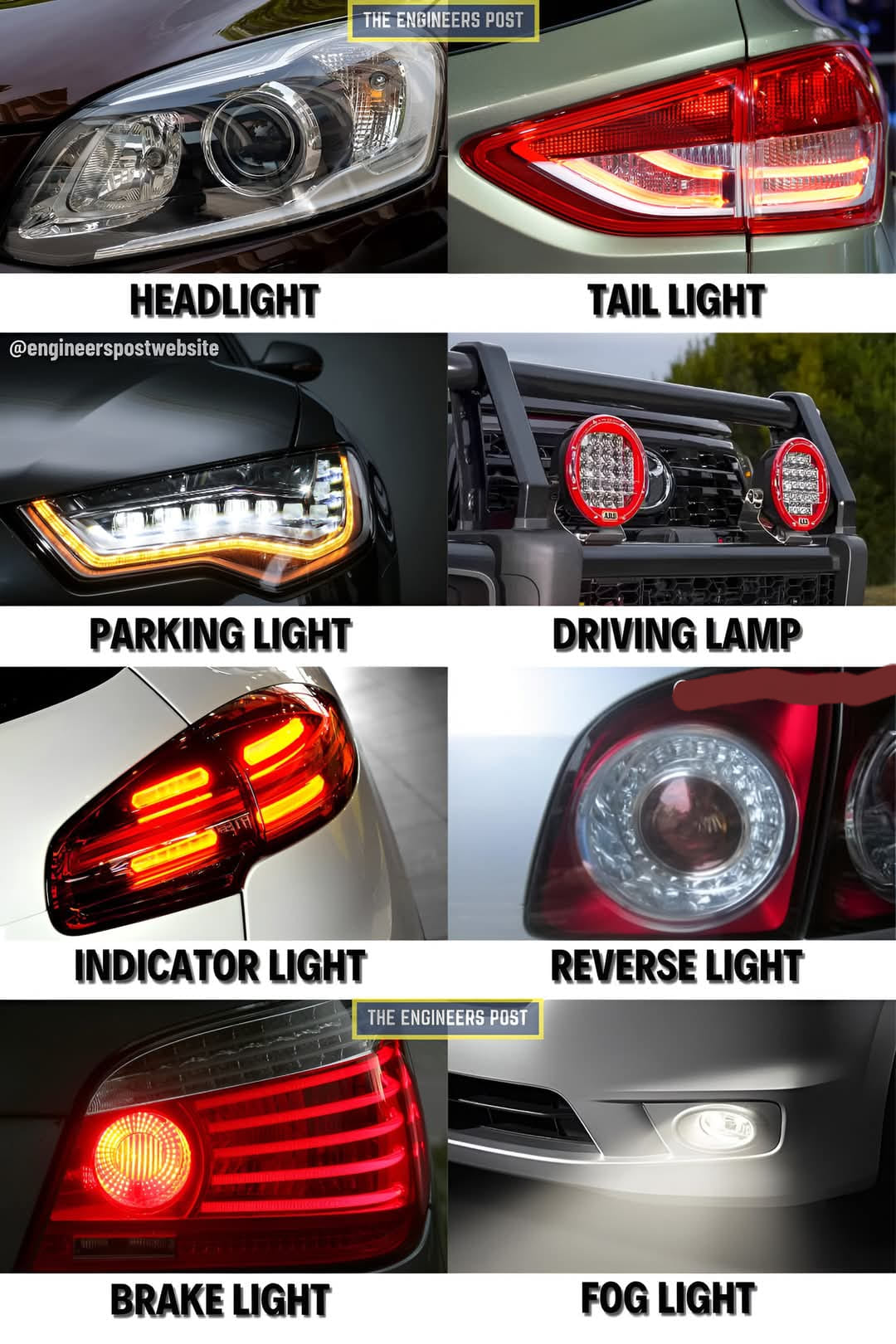
Credit: www.facebook.com
Frequently Asked Questions
Are Brake Lights And Turn Signals Connected?
Brake lights and turn signals are often connected in vehicles. They share wiring systems for efficient operation. When the brake pedal is pressed, brake lights illuminate. Turn signals work separately but can interact with brake lights, especially in combined rear light setups.
Proper maintenance ensures both function correctly.
Can You Use Brake Lights As Indicators?
Brake lights cannot be used as indicators. Indicators are separate lights designed to signal turns. Mixing functions can confuse other drivers and is illegal. Use the correct lights to ensure road safety. Always check your vehicle’s manual for proper lighting use.
Can You Use Hand Signals If Your Brake Lights Are Out?
Yes, hand signals can be used if brake lights are out. Extend your left arm to signal stopping or slowing down. Ensure signals are clear to other drivers. Regularly check and fix brake lights to avoid confusion and ensure safety.
Always follow local traffic laws when using hand signals.
Is The Blinker Light The Tail Light?
No, the blinker light and tail light are different. Blinker lights signal turns, while tail lights illuminate the rear. Both are important for vehicle safety, but serve distinct functions. Proper functioning of each is crucial for safe driving. Ensure regular maintenance to avoid confusion or mishaps on the road.
Conclusion
Understanding turn signals in brake lights is important for safety. Many vehicles use this design to save space and costs. It’s a smart choice, but it can be confusing at times. Always check your car manual for details on your vehicle’s setup.
Regular maintenance ensures they work properly. Clear signals help avoid accidents and improve road safety. Stay informed and drive safely. Proper use of signals makes driving a better experience for everyone. Remember, safety first on the road.