
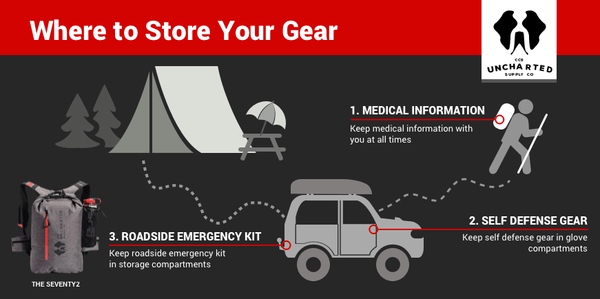
Have you ever considered where to store your emergency kit in your car? You know it’s crucial to have one, but finding the perfect spot can be a game-changer.
Imagine being stuck on a deserted road or facing unexpected car troubles. In such moments, your emergency kit becomes your lifeline. But if it’s buried beneath clutter or tucked away in a hard-to-reach area, its usefulness plummets. You deserve peace of mind knowing your kit is accessible and ready to aid you in any situation.
By exploring strategic storage solutions, you can transform your car into a safety hub. Stick around to discover simple yet effective tips that will keep you prepared and secure, no matter where the road takes you.

Credit: orgjunkie.com
Ideal Locations In The Car
Store your emergency kit in the car trunk for easy access. Place it in a sturdy box to prevent movement. Keep it within reach but secure to ensure safety while driving.
Storing an emergency kit in your car is a smart way to ensure you’re prepared for unexpected situations. But where exactly should you keep it? Choosing the right location is crucial for easy access and efficiency. Let’s explore some ideal spots where your emergency kit can be safely stored in your vehicle.Under The Seats
Keeping your emergency kit under the seats is a clever option. It’s discreet and frees up space in other areas. You can quickly grab it without rummaging through other items. Think about the last time you needed something from your car and had to search for it. An emergency kit under the seat eliminates that hassle, especially in urgent situations. Plus, it remains out of sight, reducing clutter.Trunk Or Boot
The trunk or boot is a classic choice for storing larger emergency kits. It’s spacious enough to hold multiple items, from jumper cables to first aid supplies. Consider how much room you have and what you might need in a pinch. You want to be able to reach in and find what you need quickly. Maybe you’ve packed for a road trip and need to save space—an organized trunk can do wonders.Glove Compartment
For smaller kits, the glove compartment is ideal. It’s within arm’s reach from the driver’s seat, making it perfect for quick access. Imagine you’re driving and notice a sudden change in weather. Having a flashlight or a pocket-sized first aid kit right there can be incredibly reassuring. The glove compartment is often underestimated but can be a lifesaver when you’re on the road. Where do you keep your emergency kit?Accessibility Considerations
When you think about storing an emergency kit in your car, accessibility is key. You want to be able to reach it quickly and easily during a crisis. But it’s not just about speed; it’s also about ensuring the kit is stored in a safe and convenient location. Imagine you need your emergency kit right away, but it’s buried under a pile of luggage or stashed deep in the trunk. That’s not the scenario you want during an emergency.
Quick Access During Emergencies
Having quick access to your emergency kit can be a lifesaver. Consider placing it in the front passenger area or under the driver’s seat. These locations allow you to grab it without stepping out of the vehicle. Think about how fast you might need to act if your car breaks down on a busy highway or if you’re caught in severe weather. Would you be able to retrieve your kit swiftly?
Another option is the glove compartment, but only if it’s not already cluttered. A clean and organized glove compartment can hold essential items like a flashlight, first-aid supplies, and your emergency contact list. This way, you’re never fumbling around when seconds count.
Prioritizing Safety And Convenience
Safety should be your top priority when storing your emergency kit. Avoid placing it where it could become a projectile during sudden stops or accidents. Secure it with straps or keep it in a sturdy container to prevent it from shifting around.
Convenience is equally important. If you frequently carry passengers or cargo, make sure the kit is accessible without disrupting your setup. You might opt for a dedicated space in the trunk, easily reachable when the rear seats are folded down. This ensures it’s out of the way but still reachable when needed.
Think about your usual driving conditions. If you often drive in remote areas, consider how accessible the kit is from outside the vehicle. Would you be able to reach it quickly if you were stuck in mud or snow?
By prioritizing accessibility, you ensure that your emergency kit is not just an afterthought. It’s a vital part of your safety plan, ready to serve you when it matters most. So, where will you store your kit for optimal access and safety?
Protecting The Kit
Store the emergency kit in the trunk for easy access. Keep it secure to prevent spills or damage. This location ensures it’s handy during unexpected situations on the road.
Protecting your emergency kit in the car is crucial for its longevity. Proper storage ensures the kit remains effective when needed. Consider these essential measures to keep your kit in optimal condition.Weatherproofing Measures
Ensure the emergency kit is in a waterproof container. This protects against rain or accidental spills. Choose containers made of durable materials. Plastic or metal are good options. Seal the container tightly to prevent moisture entry. Use desiccant packets to absorb humidity. Place the kit in an area less exposed to water. Under the seats or in the trunk works well.Avoiding Direct Sunlight
Direct sunlight can damage items in the kit. It may cause plastic to melt or medicines to spoil. Store the kit in a shaded area. The trunk or under-seat storage is ideal. Use a reflective cover to block UV rays. This keeps the temperature stable. Regularly check the kit for signs of heat damage. Replace affected items promptly.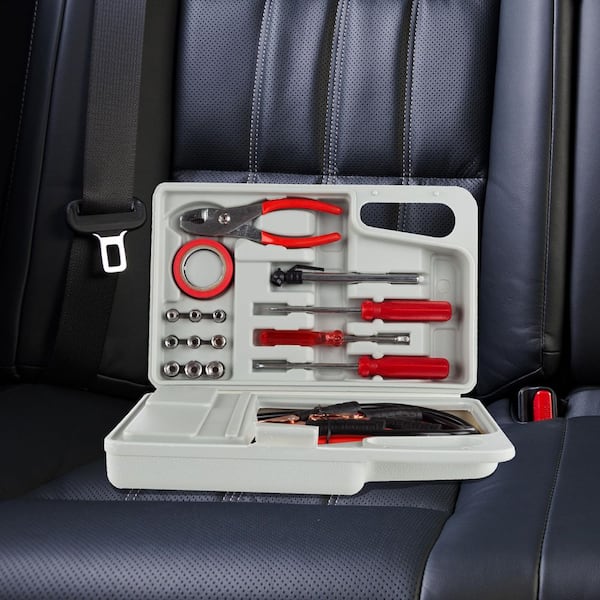
Credit: www.homedepot.com
Organizing The Contents
Having an emergency kit in your car is essential, but simply tossing items in the trunk can lead to chaos. Organizing the contents not only makes it easier to find what you need in a hurry but also ensures everything is within reach when disaster strikes. Imagine you’re caught in a storm; the last thing you want is to rummage through a mess to find a flashlight or first-aid supplies. By organizing your kit, you turn your car into a prepared sanctuary rather than a cluttered storage space.
Using Storage Containers
Storage containers are your best friend when it comes to organizing an emergency kit. Opt for clear plastic bins so you can easily spot what you need. Consider the size of the items; smaller containers can be perfect for holding bandages and ointments, while larger ones can house tools and blankets.
Stackable containers maximize space and keep everything neatly aligned. You can fit them snugly under seats or in the trunk, ensuring easy access. The key is to avoid overcrowding; a well-packed container saves time and reduces stress.
Labeling For Easy Identification
Labels are a game changer for identifying contents quickly. Use waterproof labels to withstand spills or moisture. Clearly mark each container with its contents, such as “Tools,” “Medical Supplies,” or “Food and Water.”
This simple step can shave precious minutes off your search when time is of the essence. It also helps others in the car quickly locate items, especially in situations where you might be incapacitated. Wouldn’t it be reassuring to know your family can find what they need without your help?
By organizing your emergency kit effectively, you’re not just preparing for unexpected situations; you’re empowering yourself to handle them with confidence. How prepared is your car’s emergency kit?
Regular Maintenance
Regular maintenance of your car’s emergency kit ensures readiness in crises. A well-maintained kit can make all the difference in emergencies. Regular checks and updates keep your supplies reliable and effective. Let’s delve into important maintenance steps for your car’s emergency kit.
Checking Expiry Dates
Many items in an emergency kit have expiry dates. Check these dates regularly to ensure nothing is expired. Items like first-aid supplies and food need close monitoring. Expired products may not work properly or could be unsafe. Create a schedule to check these dates every few months. It helps in keeping the kit safe and effective.
Replacing Used Items
After using any item from your kit, replace it promptly. This ensures the kit is always fully stocked. Even small items like band-aids or batteries should be replaced. Keep a list of what you use for easy tracking. Regularly updating your kit keeps it ready for any situation. Having a complete kit gives peace of mind during travel.

Credit: us.amazon.com
Safety And Security
Storing your emergency kit in the trunk ensures easy access and keeps it secure. Under the passenger seat is another safe spot, providing quick reach in urgent situations.
Storing an emergency kit in your car is a smart decision, but ensuring its safety and security is equally important. You don’t want to find yourself in a situation where your emergency supplies are missing or damaged. Understanding how to protect your kit from theft and ensuring it’s securely fastened can make all the difference in an actual emergency.Preventing Theft
Keeping your emergency kit out of sight is the first step in preventing theft. Consider storing it in the trunk or under a seat where it’s not easily visible. Opportunistic thieves are less likely to break into a car if they can’t see any valuables. Using a storage container that blends in with your car’s interior can also help. If possible, opt for a plain, non-descript box rather than one that screams “valuable contents inside.” When you park, make sure to lock your car and activate any alarm systems you have. This simple action can deter potential thieves looking for easy targets.Secure Fastening Options
An unsecured emergency kit can become a hazard in the event of a sudden stop or accident. Use bungee cords or Velcro straps to keep your kit in place. These fastening options are inexpensive, easy to install, and effective at keeping your items from shifting around. You could also use the built-in hooks or tie-downs in your car’s trunk. Many vehicles come equipped with these, and they provide a secure way to keep your kit from moving. Whatever method you choose, make sure your kit is easily accessible. Fastening it securely doesn’t mean it should be difficult to reach in an emergency. Have you ever considered how a loose first aid kit might impact your safety during a collision? Properly securing your emergency supplies ensures not only their availability when needed but also contributes to the overall safety of your vehicle’s interior.Frequently Asked Questions
Where Is The Best Place To Keep A First-aid Kit In A Car?
Store the first-aid kit in the car’s trunk or glove compartment for easy access. Ensure it’s secured to prevent movement. Regularly check for expired items and replenish as needed. A well-placed kit ensures quick response in emergencies, enhancing safety during travel.
Where Should I Store My Emergency Kit?
Store your emergency kit in a cool, dry, and easily accessible location. Keep it away from children and pets. Ideal places include a closet near your exit or a garage. Regularly check and update its contents to ensure readiness during emergencies.
What’s The Most Essential Item To Keep In Your Car?
A first-aid kit is the most essential item to keep in your car. It ensures immediate medical help during emergencies. Include bandages, antiseptic wipes, and pain relievers. Regularly check and replenish the kit. This preparation ensures safety on the road and peace of mind.
Should I Keep An Emergency Bag In My Car?
Yes, keeping an emergency bag in your car is essential for unexpected situations. Include items like water, snacks, first-aid kit, flashlight, and blanket. Being prepared can make a significant difference during car breakdowns or emergencies, ensuring safety and comfort until help arrives.
Conclusion
Choosing the right spot for your emergency kit is crucial. Keep it accessible. Under the seat or in the trunk works well. Avoid cluttered spaces. A well-organized car makes finding the kit easier. Regularly check your kit. Ensure all items are in good condition.
Replace expired supplies promptly. A prepared car is a safe car. A little planning goes a long way. Stay ready for unexpected situations. Your emergency kit can be a lifesaver. Knowing where it is offers peace of mind. Safety starts with preparation.
Make it a priority. Your future self will thank you.