

Imagine finding yourself in a situation where someone needs urgent help. As a first aider, you play a crucial role in providing immediate care.
But what exactly does “duty of care” mean for you in these moments? Understanding this concept is essential, not just for fulfilling your responsibilities, but for ensuring the well-being of those you assist. Picture the confidence and peace of mind you’ll gain when you know precisely what your obligations are.
This isn’t just about ticking boxes; it’s about making a genuine impact when it matters most. Ready to uncover what duty of care truly entails for a first aider like you? Dive into the article and empower yourself with knowledge that could make all the difference.
Duty Of Care In First Aid
Duty of care is a fundamental concept in first aid that underscores the responsibility of a first aider towards an individual in need. It represents the commitment to act with reasonable care, ensuring the safety and well-being of the person receiving assistance. As a first aider, understanding and executing this duty is essential, as it guides your actions during emergencies and helps you provide effective care.
Understanding Duty Of Care
Duty of care involves being aware of the ethical and legal obligations you hold while providing first aid. It means taking necessary steps to avoid causing harm and acting in a manner that a competent first aider would. Imagine being the first person to respond to an accident scene; your decisions can significantly impact the outcome.
Why Duty Of Care Matters
Every action you take as a first aider is crucial. Duty of care ensures you prioritize the injured person’s needs, addressing immediate threats while considering their dignity and privacy. Have you ever wondered how a simple bandage application can reflect your commitment to duty of care? It’s about being meticulous and compassionate.
Practical Steps To Uphold Duty Of Care
- Assess the situation calmly to identify potential hazards before approaching.
- Provide care that aligns with your training and knowledge—avoid improvising beyond your skillset.
- Communicate effectively with the injured person and any bystanders to ensure a supportive environment.
Common Pitfalls To Avoid
While duty of care is straightforward, mistakes can happen. Avoid acting impulsively without assessing the risks. Have you ever rushed into a situation only to find yourself overwhelmed? Taking a moment to evaluate can prevent errors.
Reflecting On Your Duty
Duty of care isn’t just a checklist; it’s a mindset. Reflect on your experiences, and consider how you can improve your approach. Are you consistently aware of your surroundings and the needs of those you help? This reflection can enhance your effectiveness as a first aider.
Embracing duty of care equips you with the confidence to handle emergencies with empathy and precision. Remember, your actions make a difference. How will you ensure your duty of care is always a priority?
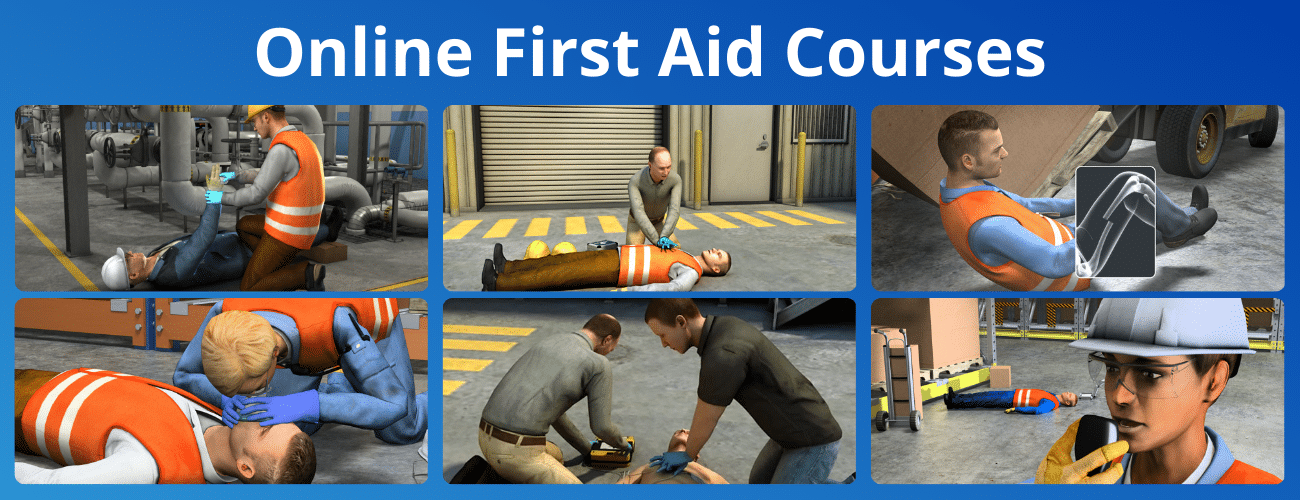
Credit: www.vectorsolutions.com
Legal Responsibilities
Legal responsibilities are crucial for first aiders. They ensure actions are lawful and ethical. Knowing these responsibilities helps first aiders act confidently and correctly.
Understanding Liability
Liability refers to being legally responsible for actions taken. First aiders must understand this concept clearly. Providing aid can expose them to potential legal issues. They must act within their training limits. Proper documentation of actions is essential. It helps protect them from legal claims.
Good Samaritan Laws
Good Samaritan laws provide legal protection. They encourage people to help others in emergencies. These laws vary by region. First aiders should be aware of local laws. The aim is to reduce fear of liability. It promotes quick and effective assistance. These laws protect those acting in good faith. They must not seek personal gain from their actions.
Ethical Considerations
Duty of care for a first aider means acting responsibly and ensuring the safety of the injured. It involves providing timely help while respecting confidentiality and consent. This ethical consideration is crucial in making informed decisions during emergency situations.
In the realm of first aid, ethical considerations play a crucial role in guiding first aiders through complex situations. The duty of care extends beyond physical assistance, encompassing moral and ethical dimensions that ensure the well-being and rights of those in need. Understanding these considerations can help you make sound decisions when providing first aid.Moral Obligations
As a first aider, you carry a moral obligation to act responsibly and with compassion. Imagine finding someone in distress; your instinct is to help, but how you help matters. Your actions should be driven by a genuine desire to provide the best possible care. It’s essential to balance doing what you can with recognizing your limits. Acting beyond your training can cause more harm than good. Always prioritize the patient’s safety and your own.Respecting Patient Rights
Respecting patient rights is fundamental in first aid. Even in urgent situations, it’s crucial to consider the wishes and autonomy of the individual you are helping. Would you want someone to act without your consent? Seek permission before administering aid whenever possible. If the person is unconscious, it’s generally assumed they would want help, but be mindful of cultural or personal preferences. Confidentiality is another critical aspect. Share information about the incident only with those who need to know, like emergency responders. This respect builds trust and ensures dignity for the person receiving care. By understanding and applying these ethical considerations, you enhance your ability to offer effective and respectful first aid. How do you think these principles might change the way you approach a real-life emergency?Assessing The Situation
Duty of care for a first aider means ensuring the safety of others during emergencies. It involves assessing the situation quickly and effectively. Providing help while minimizing risks is crucial.
Assessing the situation is crucial for a first aider. It involves understanding the scene and determining what needs attention. This assessment ensures the responder acts quickly and effectively. It helps prioritize actions and ensures safety for everyone involved.Scene Safety
Scene safety is the first priority. Look for dangers like fire, traffic, or unstable structures. Protect yourself and others from harm. Ensure the area is safe before providing aid. This prevents further injuries and secures the environment.Identifying Needs
Identifying needs means understanding what the injured person requires. Check for visible injuries like bleeding or broken bones. Listen to the person if they can speak. Look for signs of shock or distress. This helps determine the immediate actions needed to help them.Providing Appropriate Care
Duty of care means prioritizing the safety and well-being of those injured. First aiders must assess situations quickly. They provide appropriate care to prevent further harm and ensure proper treatment.
Providing appropriate care is at the heart of a first aider’s responsibilities. As a first aider, your primary goal is to ensure that the injured or ill person receives the best possible immediate care before professional medical help arrives. This involves not only understanding the basic techniques of first aid but also adapting your approach to different scenarios you might encounter.Basic First Aid Techniques
Mastering basic first aid techniques is crucial for any first aider. These fundamental skills include CPR, managing bleeding, and treating burns. Each of these techniques requires precision and confidence. Imagine you’re at a family barbecue, and someone suddenly chokes. Knowing the Heimlich maneuver could be the difference between a relaxed day and a frantic call to emergency services. The effectiveness of these techniques often lies in their simplicity. You don’t need to be a doctor to perform them, but you do need to be prepared.Adapting To Different Scenarios
Every emergency situation is unique, demanding adaptability from the first aider. Assessing the environment is crucial. Are you in a crowded mall or a quiet park? Each setting presents its own challenges. Consider the case of a sports event where an athlete collapses. The approach differs vastly from assisting someone who faints at a quiet dinner party. Your ability to remain calm and think quickly will guide your actions. It’s not just about sticking to a script; it’s about using your judgement to decide the best course of action. In this line of duty, remember, your response could be the critical bridge between a crisis and professional medical care. How prepared are you to act when the unexpected occurs?
Credit: cbassociatetraining.co.uk
Communication Skills
Effective communication is vital for first aiders. It ensures clear understanding and swift action. This skill can make a difference in emergencies. A first aider must convey calmness and confidence. Good communication saves lives and reassures those in distress.
Interacting With Patients
When speaking to patients, clarity is key. Use simple words and a calm tone. This helps reduce panic and confusion. Ask clear questions about their condition. Listen actively to their responses. Encourage them to speak about their feelings and symptoms. This builds trust and helps assess their needs.
Coordinating With Emergency Services
Communicating with emergency services requires precision. Provide accurate details about the situation. Include the location and the patient’s condition. Speak clearly and avoid unnecessary details. This helps responders prepare and arrive quickly. Effective coordination ensures timely and appropriate medical support.
Maintaining Competence
Duty of care means providing safe and effective first aid. First aiders must maintain their skills to ensure proper assistance. Regular training is essential to stay updated on best practices and techniques.
Maintaining competence as a first aider is crucial. It ensures effective response during emergencies. Regular training keeps skills sharp and knowledge current. A first aider must commit to ongoing learning. This dedication enhances their ability to provide safe care.Training And Certification
Training is the foundation of first aid competence. Courses offer essential skills and knowledge. Certification validates a first aider’s ability to perform. It provides confidence in their emergency response. Regularly renewing certification is vital. It ensures that a first aider remains qualified.Staying Updated With Practices
First aid practices evolve with new research. Staying updated is key to effectiveness. Reading industry publications helps first aiders learn new techniques. Attending workshops and seminars also boosts knowledge. Sharing experiences with peers offers valuable insights. This collective wisdom enhances response capabilities.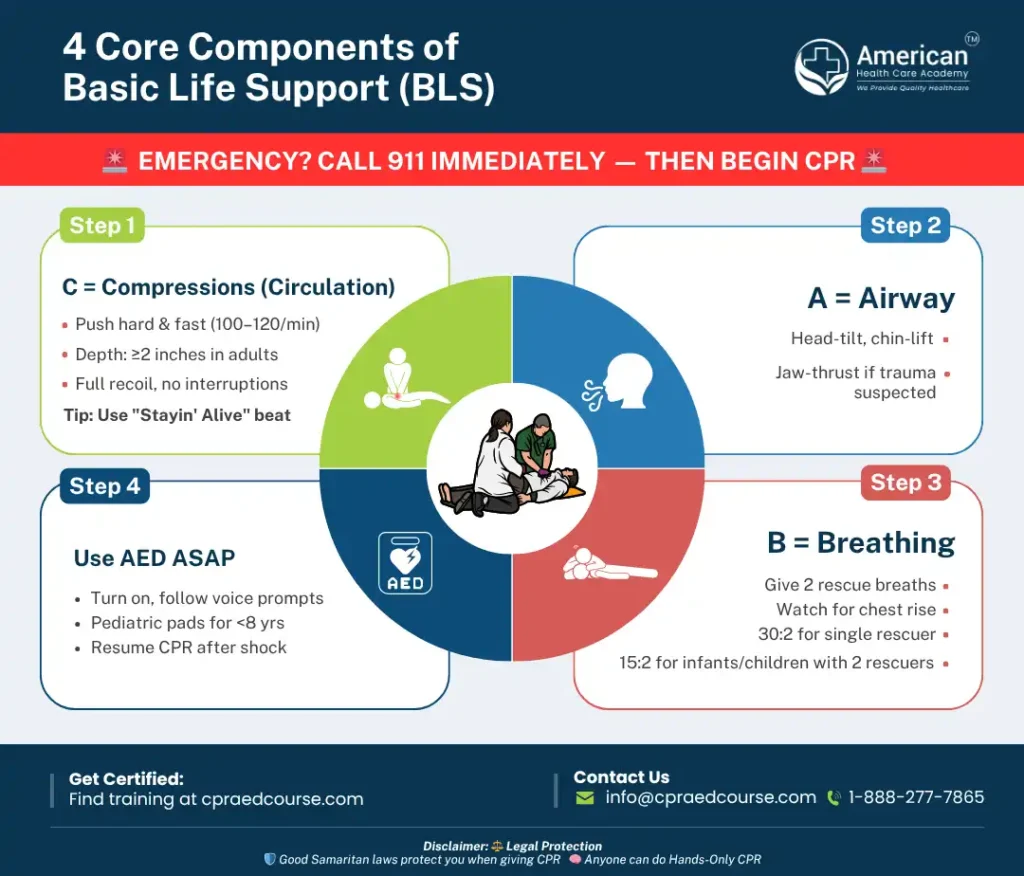
Credit: cpraedcourse.com
Handling Emotional Stress
Duty of care for a first aider means ensuring the safety and well-being of those they assist. First aiders must act responsibly, providing appropriate care while managing emotional stress effectively. Their role involves staying calm, assessing situations, and offering support to those in need.
Handling emotional stress is a significant aspect of a first aider’s duty of care. When you are the first responder in a crisis, your emotional well-being can be challenged. Witnessing injuries or distressing situations can leave an imprint, affecting your mental health and effectiveness.Managing Personal Reactions
Understanding how you react emotionally is the first step in managing stress. You might feel overwhelmed, anxious, or even guilty. Recognize these feelings as a natural response to a high-pressure situation. Consider techniques like deep breathing or taking a brief moment to gather your thoughts. A few seconds can help you regain composure and focus on providing the best care possible. Have you ever noticed how a simple pause can reset your mindset?Seeking Support And Resources
You don’t have to navigate emotional stress alone. Seeking support from colleagues, friends, or professional counselors can be incredibly beneficial. Sharing your experiences can lighten the emotional load. Look for resources available in your community or workplace. Many organizations offer stress management workshops and peer support groups. Are you utilizing the resources that can make your journey as a first aider easier? Taking advantage of these support systems can provide new insights and strategies for managing stress. It’s not just about coping; it’s about thriving in your role with confidence and resilience.Frequently Asked Questions
What Is The Duty Of The First Aid?
First aid provides immediate care to prevent conditions from worsening. It stabilizes the injured until professional help arrives. It can save lives, reduce pain, and prevent complications. First aid also reassures and comforts the injured, ensuring safety and support in emergencies.
What Is Meant To Have A Duty Of Care?
Having a duty of care means being legally obligated to ensure others’ safety and prevent harm. It requires taking reasonable steps to protect others from foreseeable risks. This responsibility is often applicable in professional and personal contexts to maintain a safe environment.
What Best Describes Duty Of Care?
Duty of care involves taking reasonable steps to avoid harm to others. It ensures safety and well-being. Individuals must act responsibly, considering potential risks. This legal obligation applies in various settings, including workplaces and healthcare. Protecting others from foreseeable dangers is its core principle.
What Is The First Duty Of Care?
The first duty of care requires individuals to act responsibly to prevent harm. It involves assessing risks and taking precautions. This foundational principle ensures safety and accountability in various contexts, including workplaces and communities. By understanding and applying duty of care, individuals uphold safety standards effectively.
Conclusion
Duty of care means protecting those in need. First aiders must act responsibly. They should provide help without causing harm. This duty guides their actions in emergencies. It builds trust between them and those they assist. Training helps them understand this responsibility.
Clear knowledge leads to better decisions. Duty of care is more than a rule. It is about compassion and respect. Every first aider should value this principle. It ensures safe and effective help. By recognizing their duty, first aiders contribute positively to society.
Their actions make a difference in lives. A duty they should uphold proudly.