
Imagine driving down a winding road at night, surrounded by thick fog. Your visibility drops drastically, making it hard to see the road ahead.
It’s a nerve-wracking situation that can happen to anyone. But what if you could cut through that fog with ease, feeling more secure and in control? That’s where fog lights come into play. Fog lights are not just another set of lights on your car; they serve a specific purpose that can make a huge difference in challenging weather conditions.
They are designed to help you see better in fog, heavy rain, or snow, offering a clearer path when visibility is compromised. This is crucial for your safety and peace of mind. But how do fog lights really work? What makes them different from your regular headlights? Understanding their purpose can transform your driving experience and enhance your safety on the road. Keep reading to discover how fog lights can be your best ally when the weather takes a turn for the worse.
Credit: auxito.com
Purpose Of Fog Lights
Fog lights serve a crucial role in ensuring your safety on the road during adverse weather conditions. Have you ever found yourself driving through dense fog, with visibility reduced to a few meters ahead? It’s a nerve-wracking experience. This is where fog lights come to the rescue. They’re designed to cut through fog, rain, snow, and dust, providing you with a clearer view of the road. But what exactly makes them so effective?
Enhanced Visibility In Foggy Conditions
Fog lights are specifically engineered to illuminate the road directly in front of your vehicle, minimizing glare. Unlike regular headlights, they emit a wide beam that stays low to the ground. This helps you see road markings and obstacles without the light being reflected back into your eyes by the fog. Imagine driving through a foggy morning commute with confidence rather than anxiety.
Improved Safety During Rain And Snow
Heavy rain and snow can obscure your vision, making it difficult to navigate safely. Fog lights are your ally during these times. They cut through the veil of precipitation, giving you a better view of the road and potential hazards. You’re less likely to miss a sudden turn or an unexpected pothole, reducing the risk of accidents.
Visibility In Dusty Conditions
Driving through dust storms or on dusty roads can be just as challenging as foggy conditions. Fog lights shine through the dust particles, allowing you to maintain visibility and control. Have you ever driven through a construction zone with dust swirling around? Fog lights can help keep you on track.
Complementing Your Headlights
Fog lights are not a replacement for your regular headlights but rather a complement. They work in tandem to ensure you have maximum visibility when you need it most. It’s like having an extra pair of eyes focused on the road directly ahead. Why not make the most of the lighting technology available in your car?
Next time you’re driving in less-than-ideal weather, think about the last time you had to squint to see the road. Fog lights might just be the unsung heroes you didn’t know you needed. How can you make sure your vehicle is equipped with the right tools to tackle any driving challenge?
How Fog Lights Differ From Headlights
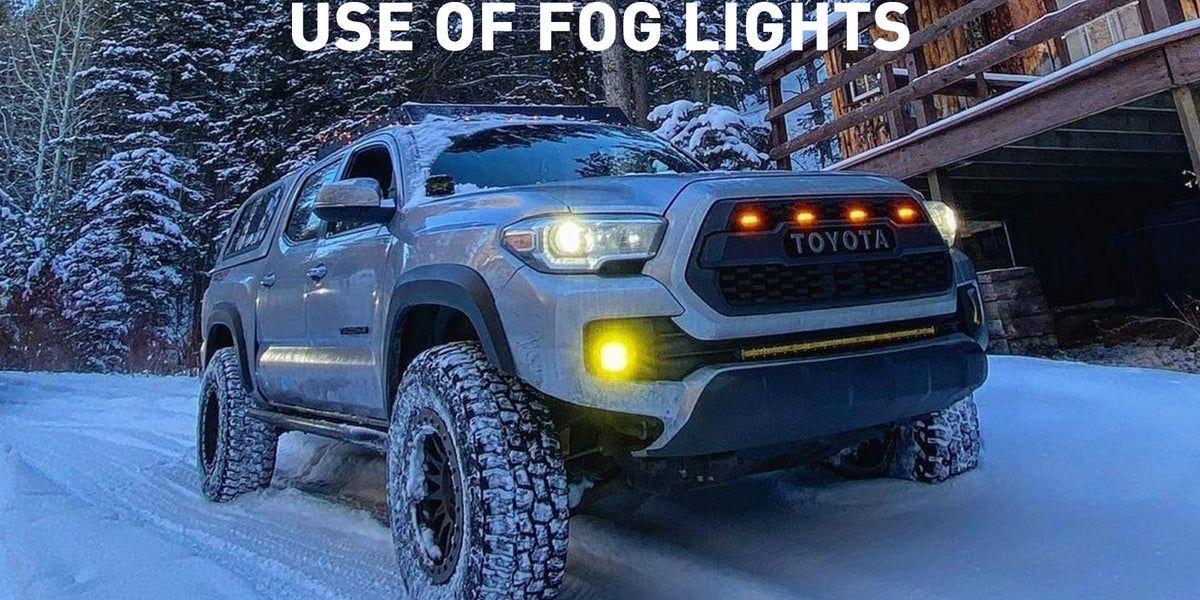
Fog lights are designed for improved visibility during foggy conditions. Positioned lower on the car, they reduce glare and illuminate the road directly ahead. Unlike regular headlights, fog lights help navigate through thick fog, rain, or snow.
Fog lights and headlights serve distinct functions in a car’s lighting system. Both are crucial for safe driving but operate differently. Understanding these differences helps in maximizing their effectiveness.Position And Angle
Fog lights sit lower on the vehicle than headlights. This low placement helps reduce glare during foggy conditions. Their beams are angled towards the ground. This design illuminates the road directly ahead. Headlights aim higher to light up further distances.Beam Intensity And Spread
Fog lights emit a wide, bar-shaped beam. This beam cuts through fog, rain, or snow. It covers a shorter distance but a wider area. Headlights have a more focused beam. Their light reaches further down the road. This is ideal for clear driving conditions.Color Temperature
Fog lights often use yellow or amber light. This color penetrates fog better than white light. It reduces glare and reflection. Headlights usually emit white or blue light. This light provides more visibility at night. But it can reflect off fog and reduce clarity.Usage Conditions
Fog lights are for poor weather conditions. Use them in fog, heavy rain, or snow. They increase visibility at short ranges. Headlights are for general use. They are necessary for night driving. They help in clear weather and well-lit areas. Understanding these differences can enhance driving safety. Adjusting the use of these lights according to conditions is essential.Benefits Of Using Fog Lights
Fog lights are essential for driving safely in poor weather. They serve specific purposes that enhance visibility and safety on the road. Their unique design allows them to cut through fog, rain, and snow effectively.
Enhanced Visibility In Adverse Weather
Fog lights illuminate the road directly in front of the car. They provide better visibility during foggy conditions. Normal headlights can reflect off fog, creating glare. Fog lights reduce this by shining light at a lower angle. This helps drivers see the road clearly.
Improved Road Safety
Better visibility means safer driving. Fog lights help drivers spot obstacles early. This helps in avoiding accidents. They allow you to react quickly to sudden changes. They enhance overall safety for both the driver and other road users.
Reduction Of Glare
Fog lights are designed to minimize glare. This is crucial during foggy or rainy conditions. Regular headlights can cause glare, making it hard to see. Fog lights reduce this issue. They help you maintain focus without straining your eyes.
Types Of Fog Lights
Fog lights are essential for enhancing visibility during adverse weather conditions. These lights are designed to cut through fog, rain, or snow, providing a clearer view of the road ahead. But did you know there are different types of fog lights available for your car? Understanding the differences can help you choose the best option for your needs.
Halogen Fog Lights
Halogen fog lights are the traditional choice for many vehicles. They produce a warm yellowish light that penetrates fog effectively. These lights are cost-effective and widely used, making them a popular option.
However, halogen bulbs tend to have a shorter lifespan compared to other types. If you’ve ever had to replace a bulb frequently, you know it can be a hassle. Consider whether the initial savings are worth the potential maintenance.
Led Fog Lights
LED fog lights are becoming increasingly popular due to their energy efficiency and longevity. They emit a bright white light, offering excellent visibility in poor weather conditions.
One of the benefits of LED lights is their durability. You may find yourself driving confidently without worrying about frequent replacements. Have you ever wished for a lighting solution that just lasts? LED lights might be your answer.
Hid Fog Lights
HID (High-Intensity Discharge) fog lights provide a powerful beam of light, ideal for cutting through thick fog. They use xenon gas to produce light, which results in higher brightness levels.
These lights can be more expensive upfront, but their efficiency and performance might justify the investment. Imagine driving through dense fog with a clear path illuminated ahead; HID lights could make this possible.
Choosing the right fog lights for your vehicle is more than just a preference; it’s about improving your driving experience and safety. Each type offers unique benefits, so consider what matters most to you. Which fog light will guide you safely through the mist?
Installation And Maintenance
Fog lights are essential for driving in low visibility conditions. Proper installation and regular maintenance ensure their effectiveness. Here’s how to keep them in top shape.
Proper Installation Techniques
Start by selecting the right fog lights for your car model. Check the vehicle manual for compatibility. Use the correct tools to avoid damage during installation.
Position the fog lights at the correct height. Ensure they align with the road, not other drivers’ eyes. Secure all wiring and connections tightly to prevent loose ends.
Regular Maintenance Tips
Inspect fog lights for dirt or debris regularly. Clean them gently with a soft cloth to maintain brightness. Check the bulbs for any signs of wear or burnout.
Test the wiring connections to ensure they are secure. Replace any damaged wires immediately. Ensure the fog lights are aligned correctly after maintenance checks.
Legal Considerations
Legal considerations play a crucial role in the use of fog lights. They ensure that drivers use these lights safely and without causing harm. Understanding these considerations helps avoid fines and ensures compliance with road safety standards.
Regulations By Region
Fog light regulations vary greatly by region. In the United States, each state may have its own rules. Some states permit fog light use during specific weather conditions only. In Europe, the European Union has standardized regulations. Vehicles must have rear fog lights, but front fog lights are optional. In Australia, fog lights are only for use in fog, mist, or poor visibility. Using them in clear weather may lead to penalties.
Appropriate Usage Guidelines
Proper use of fog lights is essential. They are meant for low visibility situations. This includes fog, heavy rain, or snow. Incorrect use can blind other drivers. Always switch them off when visibility improves. This ensures safety for all road users. Using fog lights incorrectly can lead to fines or penalties. Be mindful of the rules in your region.
Choosing The Right Fog Lights
Choosing the right fog lights ensures safety during foggy conditions. Fog lights cut through dense fog, providing better visibility. Different lights suit different needs. Some offer a wide beam; others focus more narrowly. Consider several factors before purchasing. Explore popular brands and models for reliable options.
Factors To Consider
- Beam Pattern:Wide beams illuminate more area.
- Brightness:Brighter lights enhance visibility.
- Color Temperature:Yellow lights often work better in fog.
- Durability:Weather-resistant materials last longer.
- Installation Ease:Some models are easier to install.
Popular Brands And Models
- Philips:Known for reliable and effective fog lights.
- Hella:Offers a range of durable fog lights.
- PIAA:Known for high-quality, bright lights.
- OSRAM:Provides innovative lighting solutions.
- Baja Designs:Offers rugged and powerful options.

Credit: www.youtube.com
Credit: www.jalopnik.com
Frequently Asked Questions
When Should You Use Fog Lights On A Car?
Use fog lights in dense fog, heavy rain, or snow to improve visibility. Avoid using them in clear conditions. Fog lights help illuminate the road closer to the car, reducing glare and improving safety. Turn them off when visibility improves to prevent blinding other drivers.
Are Fog Lights Really Useful?
Fog lights improve visibility in dense fog, rain, or snow. They reduce glare and illuminate road edges. Positioned low, they prevent reflection from fog or mist. Essential for safe driving in poor weather conditions. Enhance safety and confidence during challenging drives.
How To Properly Use Fog Lights?
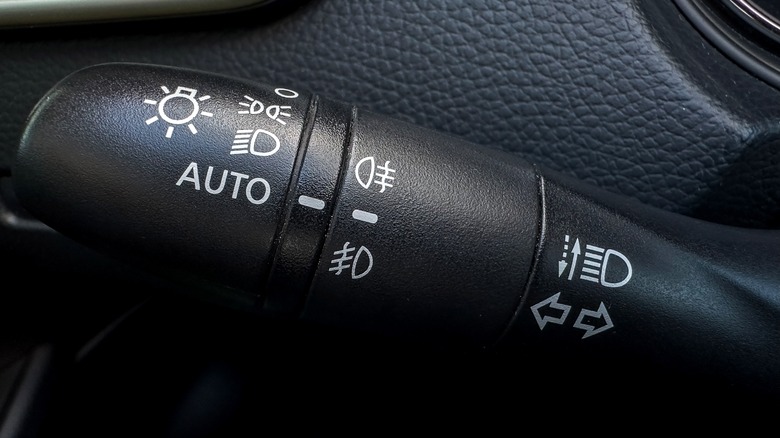
Use fog lights during foggy conditions or low visibility. Avoid using them in clear weather. Activate them with your vehicle’s fog light switch. Ensure they’re aimed correctly to avoid blinding other drivers. Turn them off when visibility improves.
Why Do Newer Cars Not Have Fog Lights?
Newer cars often lack fog lights due to advanced LED headlights. These provide better visibility in all conditions. Automakers prioritize streamlined design and cost savings. Advanced driver assistance systems also help improve visibility, reducing the need for separate fog lights.
Conclusion
Fog lights are essential for safe driving in poor visibility. They help drivers see the road clearly during foggy conditions. Positioned low on the car, they cut through fog, reducing glare. This makes them crucial for avoiding obstacles and staying on track.
Regular headlights scatter light in fog, making it hard to see. Fog lights solve this problem effectively. Their unique design ensures better illumination. They enhance safety, providing a clear view of the road. Using fog lights responsibly is vital. They are key for safer driving when visibility drops.
Remember, safety always comes first on the road.