
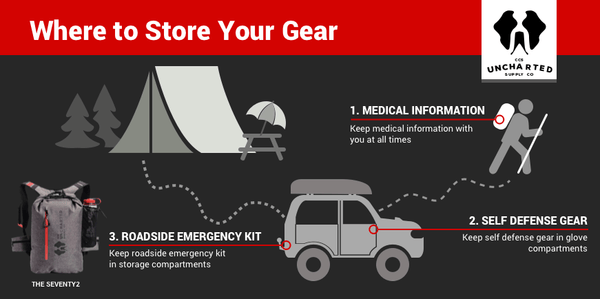
Imagine you’re driving on a quiet road, miles away from home, and suddenly your car breaks down. In situations like this, having an emergency car kit can be a lifesaver.
But what should you include in it? How can you ensure that you’re fully prepared for any roadside emergency? This is where packing the perfect emergency car kit becomes essential. By reading this article, you’ll discover the crucial items to include, ensuring your safety and peace of mind on every journey.
Knowing how to pack your kit efficiently will not only save you time but could potentially save your life. Dive in and learn how to turn your car into a secure haven for unexpected situations.
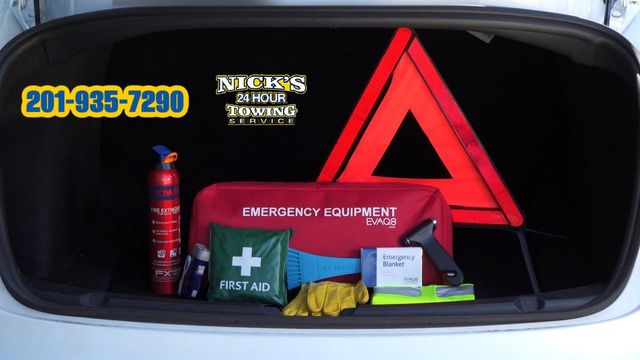
Credit: www.nickstowingservice.com
Essential Items For Survival
Preparing an emergency car kit ensures safety during unexpected situations. Include water, snacks, a flashlight, and a first aid kit. Essential tools like jumper cables and a tire repair kit are also important for roadside emergencies.
Packing an emergency car kit is crucial for unexpected situations. Having the right items can make a difference in survival. Whether facing a breakdown or severe weather, being prepared is key. Here are some essential items to consider for survival.Food And Water Supplies
Stock non-perishable food items. Granola bars and dried fruits work well. They provide energy without spoiling quickly. Store bottled water in your kit. Hydration is vital in emergencies. Consider water purification tablets. They ensure safe drinking water if supplies run low.Warm Clothing And Blankets
Keep extra clothing in your kit. Pack warm layers for cold weather. Thermal socks and gloves are essential. They help maintain body heat. Include a few blankets. They are useful for warmth and comfort. Emergency foil blankets are compact. They reflect body heat efficiently.First Aid Kit Essentials
A basic first aid kit is necessary. Include bandages and antiseptic wipes. They help treat minor injuries. Add pain relievers and allergy medication. They offer relief when needed. Pack a CPR mask and gloves. They are crucial for providing first aid safely.Tools And Equipment
Packing an emergency car kit requires essential tools and equipment. Include a flashlight, jumper cables, and a first-aid kit. Don’t forget water, non-perishable snacks, and a blanket for warmth.
Packing an emergency car kit can be the difference between a minor inconvenience and a major disaster. Among the most crucial components of your kit are the tools and equipment. These items are your lifeline in various roadside scenarios. They empower you to tackle unexpected car troubles with confidence and ease. Let’s dive into the essentials that you should consider packing in your emergency car kit.Multi-purpose Tools
A multi-purpose tool is an absolute must-have for any emergency car kit. These tools are compact and versatile, combining several functions into one handy gadget. Think of a Swiss Army knife or a multi-tool that includes pliers, screwdrivers, and cutters. Having one can save you space and provide you with the right tool for unexpected repairs. Imagine being stranded and needing to tighten a loose bolt or cut a piece of string. A multi-purpose tool can handle these tasks and more, making it an indispensable part of your kit.Jumper Cables And Battery Chargers
Dead batteries happen to the best of us, often at the most inconvenient times. Jumper cables are crucial for giving your car the jump-start it needs to get back on the road. Make sure they’re long enough to reach from one vehicle to another easily. Alternatively, consider packing a portable battery charger. These devices allow you to restart your car without needing another vehicle. It’s like having a little piece of insurance right in your trunk. Can you imagine how relieved you’d feel knowing you could handle a dead battery on your own?Flashlights And Batteries
A reliable flashlight is essential, especially if your car trouble strikes at night. Whether you need to check under the hood or signal for help, a flashlight illuminates your way. Opt for LED flashlights—they’re bright and conserve battery life better than traditional ones. Don’t forget spare batteries. A flashlight is only as good as its power source. Stash a set of fresh batteries in your kit, so you’re never left in the dark. Have you ever tried changing a tire in the pitch black? It’s not fun. A flashlight can make all the difference. Packing these tools and equipment can transform your emergency car kit from basic to brilliant. Next time you’re on the road, take comfort in knowing you’re prepared for whatever comes your way.Safety And Navigation
Packing an emergency car kit involves selecting essential items for safety and navigation. Include a first aid kit, flashlight, and jumper cables. Don’t forget bottled water, blankets, and non-perishable snacks for unexpected situations.
Packing an emergency car kit is crucial for ensuring your safety and comfort in unforeseen situations. While we often think of extra blankets or snacks, the importance of safety and navigation tools cannot be overstated. Imagine finding yourself stranded at night on a remote road—would you know what to do? These tools not only guide you but also keep you visible and safe, preventing further accidents. Let’s dive into the essential items to include for safety and navigation.Road Maps And Gps Devices
In an age dominated by digital navigation, physical road maps might seem obsolete. However, they are indispensable when technology fails. Imagine your GPS device loses signal or runs out of battery in an area with no reception. A map becomes your best friend, guiding you to the nearest town or highway. It’s smart to pack updated maps of your region and any areas you frequently travel through. GPS devices are equally important. They offer real-time updates on traffic conditions and alternative routes. Keep a portable charger handy to ensure your device stays powered. Have you ever been caught in unexpected roadworks? A GPS can reroute you swiftly, saving precious time and stress.Safety Cones And Flares
Safety cones are not just for construction sites; they can be lifesavers on a busy road. If you experience a breakdown, strategically placing cones can alert other drivers to your presence, reducing the risk of collisions. They are lightweight and stackable, making them easy to store in your trunk. Flares add another layer of protection, especially in low visibility conditions. They illuminate your surroundings and signal distress, attracting attention from passersby or rescue teams. Have you ever wondered how you’d handle a breakdown in foggy weather? Flares are your beacon of safety, lighting up the situation and alerting others to your need for help.Reflective Vests
Reflective vests are simple yet effective safety tools. When stepping out of your vehicle, especially at night, they enhance your visibility to other drivers. A sudden car issue on a dimly lit road can be frightening. Wearing a reflective vest ensures you’re seen, reducing the risk of accidents. Consider this: would you feel safe walking along the roadside without one? It’s a small investment that can make a significant difference. Keep a few vests in your car for you and your passengers. They fold neatly and take up minimal space, making them a must-have in your emergency kit.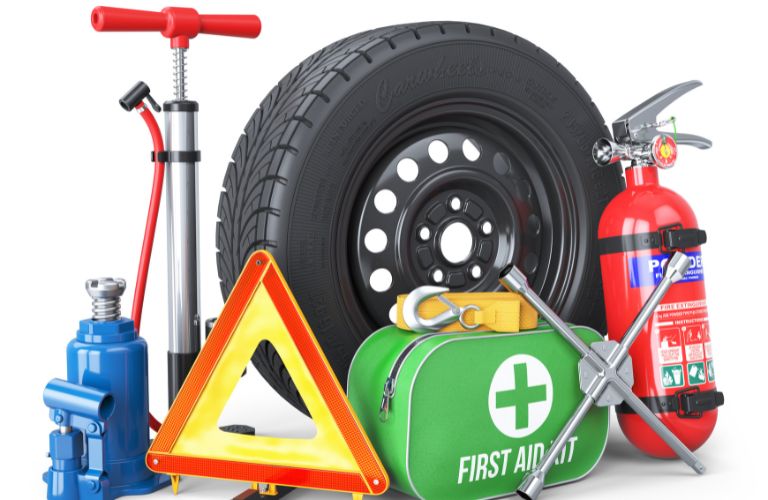
Credit: www.flagshiphondapr.com
Communication Devices
Packing an emergency car kit ensures safety during unexpected situations. Include a flashlight, batteries, and a mobile phone charger for communication. These items help you stay connected and informed on the road.
Packing an emergency car kit is essential for safety. Communication devices play a crucial role in emergencies. They ensure you stay connected and informed. Let’s explore what you need.Mobile Phone Chargers
Keeping your phone charged is vital. Include multiple chargers in your kit. A car charger is a must-have. Look for chargers with fast charging capabilities. Portable chargers are helpful too. Opt for ones with high battery capacity. They keep your phone running when power outlets are unavailable. Choose solar-powered chargers for sustainable energy. They are reliable during long trips.Emergency Radios
Emergency radios are lifesavers. They keep you updated on weather alerts. Choose radios with hand-crank and solar options. These power sources are dependable. Look for models with NOAA weather band access. They provide accurate weather forecasts. Built-in flashlight features are a bonus. Some radios double as phone chargers. This dual functionality is handy. Compact designs fit easily in your car kit. Ensure your radio is easy to operate.Personal Comfort Items
Personal comfort items are essential in an emergency car kit. Include blankets, a first-aid kit, and snacks. These items can help keep you comfortable and prepared during unexpected situations on the road.
Packing an emergency car kit is not just about survival basics; it’s also about ensuring your personal comfort during unexpected situations. Imagine being stuck in your car during a snowstorm or a long traffic jam. Wouldn’t it be nice to have some comforts from home to make the situation a bit more bearable? Personal comfort items can transform a stressful situation into a manageable one. They serve as little reminders that you’re prepared, offering peace of mind when you need it most.Personal Hygiene Products
Keeping clean and fresh can significantly improve your mood and comfort level. Consider packing a small toiletry kit with essentials such as:- Travel-sized toothbrush and toothpaste
- Wet wipes or hand sanitizer
- Deodorant
- Facial tissues
Entertainment Options
Time flies when you’re having fun, but it seems to drag during unforeseen delays. Keep your spirits up by adding some entertainment options to your kit. This could include:- A deck of cards
- Travel-sized board games
- Books or magazines
- Portable charger for devices
Seasonal Considerations
Preparing an emergency car kit involves more than just basic supplies. Different seasons demand different preparations. Adjust your car kit based on the season to ensure safety and comfort. Let’s explore essential items for both winter and summer.
Winter Gear
Winter conditions can be harsh and unpredictable. Pack items to keep warm and safe.
- Blankets:Use thermal blankets for warmth during cold nights.
- Ice Scraper:Clear ice from your windshield easily.
- Snow Shovel:A compact shovel helps in digging out of snow.
- Cat Litter or Sand:Gain traction on icy roads with these.
- Extra Clothing:Pack gloves, hats, and socks to stay warm.
Summer Essentials
Hot weather requires different preparations. Stay cool and hydrated during summer travels.
- Water Supply:Keep bottled water to stay hydrated.
- Sunscreen:Protect your skin from sunburn.
- Wide-Brimmed Hat:Shield your face from direct sunlight.
- Cooling Towels:These help in reducing body temperature.
- Non-perishable Snacks:Energy bars provide quick nourishment.
Packing And Organization
Packing an emergency car kit involves gathering essential items for safety and preparedness. Include a first aid kit, flashlight, jumper cables, and blankets. Ensure all items are organized in a sturdy, accessible container for quick use during emergencies.
Packing and organizing an emergency car kit might not be on your weekend to-do list, but it’s an essential task that could make a world of difference in a pinch. Think about it: in an emergency, would you want to waste precious minutes rummaging through a cluttered trunk? A well-organized kit ensures that everything you need is right at your fingertips, providing peace of mind and efficiency when you need it most.Storage Solutions
Consider using a sturdy, waterproof container to store your emergency kit items. A clear plastic bin with a secure lid works well, allowing you to see contents at a glance. Alternatively, a heavy-duty backpack or a specialized trunk organizer can keep items in place, even when your car is on the move. Keep frequently used items like a flashlight or first-aid kit in easy-to-reach areas. Car door pockets or the glove compartment are ideal spots. This way, you won’t have to rearrange your entire kit to find a single item.Labeling Tips
Labels might seem unnecessary, but they can be lifesavers in an emergency. Use waterproof labels to categorize items within your kit. Clearly mark sections like “First Aid,” “Tools,” and “Food & Water.” Color-coded labels can add an extra layer of organization, making it even easier to find what you need quickly. For instance, use red for medical supplies and blue for water-related items. This small step can significantly reduce stress and save time during an emergency. Packing your car emergency kit is more than just gathering supplies. It’s about creating a system that works for you. How will you ensure your kit is ready when you need it most?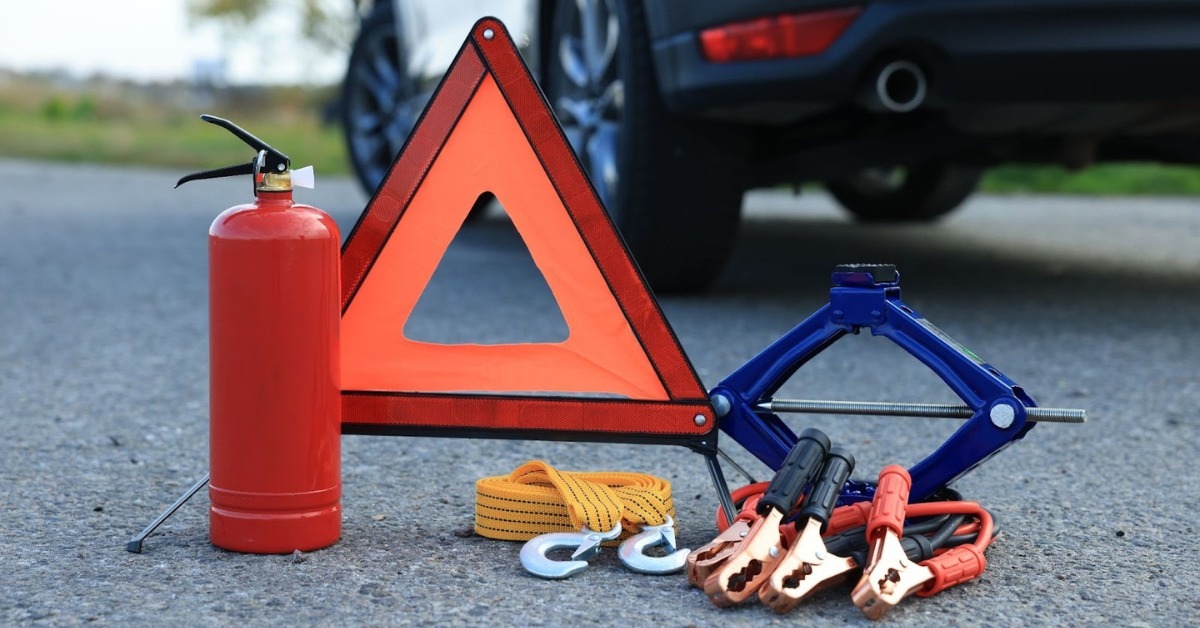
Credit: www.facebook.com
Frequently Asked Questions
What To Pack In A Car Emergency Kit?
Pack a flashlight, spare batteries, first aid kit, jumper cables, tire inflator, and multi-tool. Include a blanket, bottled water, non-perishable snacks, emergency contact numbers, and a phone charger. Add a reflective vest, roadside flares, and a basic tool kit for safety.
Always check and update your kit regularly.
What Are 10 Things You Should Have In An Emergency Kit?
An emergency kit should include water, non-perishable food, flashlight, batteries, first aid kit, whistle, blankets, multi-tool, dust mask, and phone charger.
What Are The 7 Supplies That Are Needed For An Emergency Supply Kit?
An emergency supply kit requires water, non-perishable food, flashlight, batteries, first aid kit, multi-tool, and a whistle. These items ensure basic survival needs during emergencies, providing sustenance, safety, and communication abilities. Keep your kit easily accessible and regularly check items for expiration or functionality.
How To Pack An Emergency Kit?
Gather essentials like water, non-perishable food, flashlight, batteries, first aid kit, and personal documents. Include necessary medications and hygiene items. Store everything in a waterproof, durable backpack. Regularly update your emergency kit to ensure items are fresh and functional. Keep it accessible for quick evacuation during emergencies.
Conclusion
Packing an emergency car kit ensures safety during unexpected situations. Start with basic items like a first-aid kit and flashlight. Add tools such as jumper cables and a tire gauge. Don’t forget water, snacks, and a blanket. Customize the kit to your climate and driving habits.
Regularly check and update supplies. A well-stocked kit can make a big difference on the road. Preparation saves time and reduces stress. Keep it accessible for quick use. Your safety matters; pack smart, drive safe. A little planning goes a long way in emergencies.