
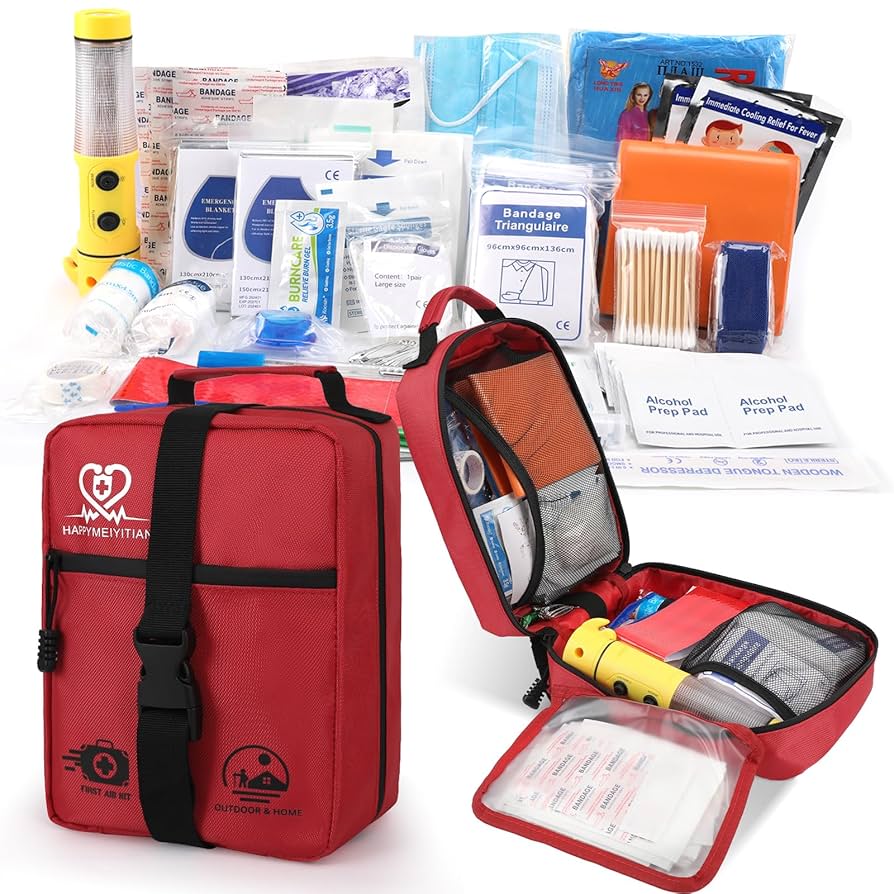
Imagine you’re on a scenic drive, enjoying the open road. Suddenly, the unexpected happens—a minor accident or someone feeling unwell.
What do you do? In those crucial moments, having a well-stocked car first aid kit can make all the difference. You might think, “What should I put in a car first aid kit? ” The right items can keep you prepared for anything.
Picture this: You could be the hero in an emergency, equipped to handle minor injuries or discomforts until professional help arrives. Your peace of mind is priceless, especially when you’re far from home. This article will guide you on what essentials to include in your car’s first aid kit, ensuring you’re ready for the road ahead. Keep reading to discover the key items that could make all the difference in an emergency, putting your mind at ease every time you turn the ignition.
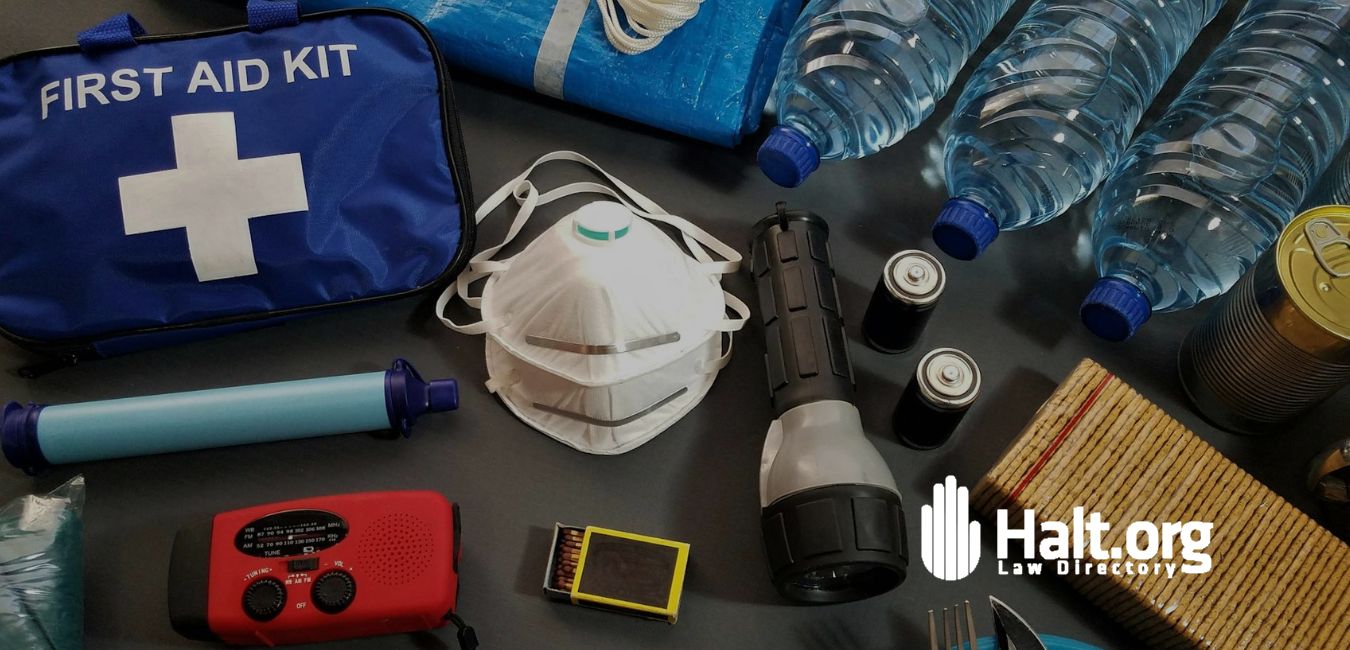
Credit: www.halt.org
Basic First Aid Supplies
Equipping your car with a well-stocked first aid kit is essential. It ensures readiness for minor injuries and emergencies on the road. Basic first aid supplies are the foundation of any effective kit. These items aid in treating cuts, scrapes, and other common injuries.
Adhesive Bandages
Adhesive bandages are crucial for treating small cuts and abrasions. They protect wounds from dirt and bacteria, promoting faster healing. Keep a variety of sizes in your kit. This ensures you have the right fit for any injury. Choose waterproof options for better durability.
Sterile Gauze Pads
Sterile gauze pads are vital for larger wounds. They help stop bleeding and prevent infection. Always have several sizes available. They are useful for cleaning wounds before dressing. Ensure they are sealed in sterile packaging to maintain cleanliness.
Medical Tape
Medical tape secures gauze pads and bandages. It ensures they stay in place until removed. Choose hypoallergenic tape to avoid skin irritation. It’s flexible and easy to tear. This makes it simple to apply in emergencies.
Emergency Tools
A car first aid kit should include essentials like bandages, antiseptic wipes, and adhesive tape. Add scissors, tweezers, and a CPR mask for emergencies. Include a list of emergency contacts and a small flashlight.
Emergency tools are vital components of your car’s first aid kit. These tools can make a difference during a crisis. Having them easily accessible in your car is crucial.Scissors
Scissors are essential for cutting bandages and gauze. Keep a pair that is sturdy and sharp. Choose scissors with rounded tips for safety. Small, compact scissors fit well in a kit.Tweezers
Tweezers help remove splinters and debris from skin. Opt for stainless steel tweezers for durability. They should have a fine tip for precision. Tweezers are also useful for picking up small items.Thermometer
A thermometer monitors body temperature. Choose a digital thermometer for accuracy. It should be easy to read and quick to use. Store it in a protective case to keep it safe.Medications And Treatments
Essential items in a car first aid kit include bandages, antiseptic wipes, and pain relief medication. Include a CPR mask and tweezers for emergencies. Ensure your kit contains a flashlight and gloves for safety.
Medications and treatments are crucial components of a car first aid kit. They help address minor health issues swiftly, providing comfort and relief during travel. Stocking appropriate medications ensures you’re prepared for unexpected situations.Pain Relievers
Pain relievers are essential for easing headaches or sore muscles. They provide quick relief, making the drive more comfortable. Common options include ibuprofen or acetaminophen. Always check for allergies before use.Antiseptic Wipes
Antiseptic wipes clean wounds and prevent infections. They are handy for treating cuts or scrapes. Wipes are easy to use and store. Keep them in a waterproof pouch to maintain their effectiveness.Antihistamines
Antihistamines combat allergic reactions or itchy skin. They alleviate symptoms like sneezing or rashes. Having them on hand is vital, especially during allergy season. Ensure you choose non-drowsy variants for safe driving.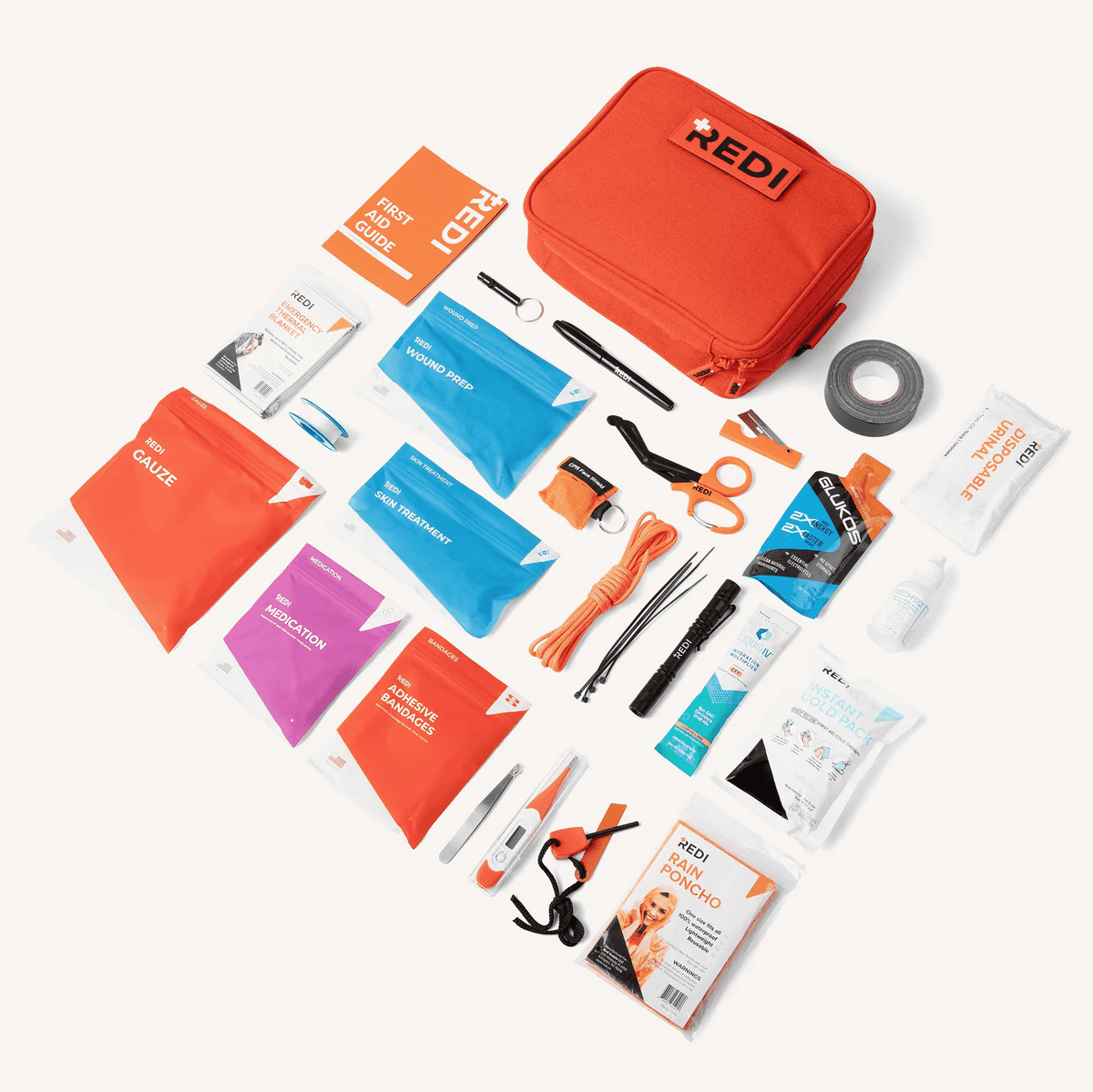
Credit: www.safetykitsplus.com
Specialty Items
Consider bandages and antiseptic wipes for minor cuts. Include pain relievers and gloves for safety. Add a flashlight and emergency contact info for preparedness.
Specialty items enhance the effectiveness of a car first aid kit. These items address specific health concerns, providing targeted relief. Including them ensures you’re ready for unique situations. Let’s explore some essential specialty items to consider.Burn Cream
Burns can happen unexpectedly during travel. Burn cream provides immediate relief, reducing pain. It also speeds up the healing process. Always choose a cream with soothing properties. This helps prevent infection and minimizes scarring. Keep a tube in your kit for emergencies.Instant Cold Packs
Instant cold packs reduce swelling and numb pain. They are vital for treating injuries like sprains. These packs activate quickly, making them convenient. No refrigeration needed. Simply shake, then apply to the affected area. Ensure your kit has a couple for peace of mind.Hydrocortisone Cream
Hydrocortisone cream helps with itching and rashes. It’s effective for bug bites and allergic reactions. Apply a small amount for quick relief. This cream is a must-have in any first aid kit. Keep it handy for unexpected skin irritations.Safety And Survival Gear
A well-stocked car first aid kit is essential for emergencies. Include bandages, antiseptic wipes, and pain relievers. Add a flashlight and emergency contact information for safety.
In any emergency, safety and survival gear can be a lifesaver. A well-prepared car first aid kit must include essential items. These items ensure you are ready for unexpected situations. Below are some crucial components to consider.Emergency Blanket
An emergency blanket offers vital warmth. It reflects body heat, keeping you warm in cold weather. This is crucial if your car breaks down in winter. The blanket is compact and lightweight. It fits easily in any car kit. Its reflective surface can signal for help too. Always include one in your kit.Flashlight
A flashlight is essential during nighttime emergencies. It helps you see in the dark. This is useful for checking your car or finding help. Choose a flashlight with extra batteries. LED flashlights are a great option. They last longer and provide brighter light. Keep one in your car for added safety.Whistle
A whistle is a simple yet powerful tool. It helps you signal for help if needed. Whistles are loud and can attract attention from far away. They require no batteries, making them reliable. In case of an emergency, a whistle can be a crucial item. Pack one in your car kit for peace of mind.Personal Health Essentials
Having a well-stocked car first aid kit is essential for emergencies. Personal health essentials should be a priority in your kit. These items cater to specific health needs. They ensure you’re prepared for unexpected situations on the road.
Personal Medications
Include any personal medications you take regularly. These can be prescription drugs or over-the-counter medicines. Keep them in a labeled, waterproof container. Check expiration dates often to ensure safety.
Allergy Information
Allergy information is crucial for those with known allergies. Include a list of allergens and any required medications, like an EpiPen. This information helps others assist you in an emergency.
Contact Information
Having contact information is vital in emergencies. List emergency contacts, including family and healthcare providers. Include names, phone numbers, and any relevant medical details. This information can guide responders in providing appropriate care.
Storage And Organization
A well-stocked car first aid kit should include bandages, antiseptic wipes, and adhesive tape. Add pain relievers, scissors, and a CPR face shield. Include a first aid manual for guidance during emergencies.
Storage and organization are crucial for a car first aid kit. A well-organized kit ensures quick access in emergencies. Efficient storage keeps items safe and prevents damage. Choose the right containers and methods for optimal organization.Compact Bags
Compact bags save space in your car. They are portable and easy to carry. Choose bags with multiple compartments. This helps keep items organized and accessible. Look for bags with durable zippers and straps. They should withstand regular use and travel.Waterproof Containers
Waterproof containers protect items from moisture. They keep bandages and medicines dry. Choose containers made of sturdy materials. Ensure they seal tightly to prevent leaks. Clear containers allow easy visibility of contents. This helps in quickly finding needed items.Labeling And Instructions
Label items clearly in your first aid kit. Use large, readable fonts for labels. Include instructions for using each item. This guides users in emergencies. Consider adding a checklist of contents. It ensures items are always stocked. Keep labels updated for accuracy.
Credit: www.amazon.com
Frequently Asked Questions
What Should You Put In A First Aid Kit For Your Car?
Include bandages, antiseptic wipes, adhesive tape, gauze, tweezers, scissors, gloves, pain relievers, and a CPR mask. Keep emergency contacts, a flashlight, and a blanket. Regularly check and replenish supplies to ensure readiness. This compact kit aids in addressing minor injuries and emergencies while traveling.
What 7 Items Should Be In A First Aid Kit?
A well-stocked first aid kit should include adhesive bandages, antiseptic wipes, gauze pads, adhesive tape, scissors, tweezers, and a CPR face shield. These essential items help address minor injuries and emergencies effectively.
What Medicine Should I Keep In My Car?
Keep a first aid kit, pain relievers, antihistamines, motion sickness tablets, and any personal medications in your car. Include antiseptic wipes, adhesive bandages, and a thermometer for emergencies. Regularly check expiration dates to ensure safety.
Which Is Not Required To Be Included In A Vehicle First Aid Kit?
A vehicle first aid kit doesn’t require items like prescription medications, food supplies, or large surgical instruments. Focus on essentials like bandages, antiseptics, and basic tools. Ensure the kit is compact, accessible, and stocked with necessary items for immediate care during emergencies.
Conclusion
A well-stocked car first aid kit saves lives. It offers peace of mind. With essentials like bandages, antiseptic wipes, and pain relievers, you’re prepared. You never know when an emergency might happen. Having a kit means you’re ready for unexpected situations.
Keep it organized and easily accessible. Regularly check and update the supplies. Your preparedness ensures safety on every journey. Simple steps today protect your future travels. Remember, safety first. Equip your car with the essentials. Drive confidently with your first aid kit nearby.
Stay safe, stay prepared.