
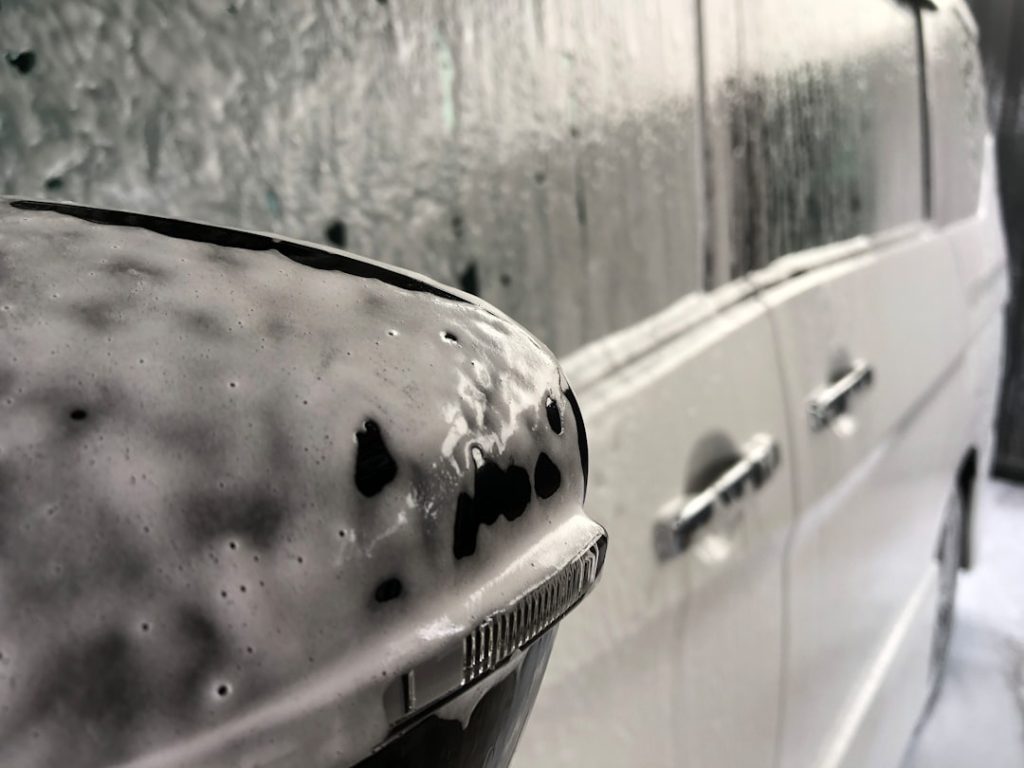
Have you ever wondered if the dish soap sitting next to your kitchen sink can double as a car wash solution? It’s a common question, especially when you’re standing in your driveway, ready to give your car a good cleaning.
You might be tempted to grab that familiar bottle of dish soap, thinking it’s a quick fix. But is it really safe for your car’s paint and finish? Before you dive in, there’s more you need to know. You’ll discover the truth about using dish soap for washing cars, and learn why it might not be the best choice.
Stay with us to uncover surprising insights that could save your car’s shine and ensure it looks its best for years to come.
Car Wash Essentials
Using dish soap to wash your car might seem convenient, but it’s not recommended. Dish soap can strip the car’s protective wax coating, leading to paint damage over time. Opt for a car-specific soap to ensure your vehicle stays clean and protected.
When it comes to washing your car, having the right essentials can make all the difference. It’s not just about getting the dirt off but also protecting your vehicle’s finish. Using the right products ensures your car looks great and maintains its value over time.Soap Selection: Dish Soap Or Car Shampoo?
Choosing between dish soap and car shampoo might seem trivial, but it’s more crucial than you think. Car shampoos are specifically designed to clean without stripping away protective waxes. Dish soap, on the other hand, can be harsh and may remove wax, leaving your car unprotected.The Right Bucket And Sponge
Using a dedicated bucket and sponge for car washing prevents cross-contamination. A two-bucket method is recommended: one with soapy water and another with clean water for rinsing. This technique reduces the risk of scratching your car with dirt particles.Microfiber Towels For Drying
After washing, drying your car with a microfiber towel prevents water spots. These towels are soft and absorbent, making them ideal for protecting your car’s paintwork. Unlike regular towels, they won’t leave behind lint or scratches.Wheel And Tire Cleaners
Your wheels and tires require special attention. Use a dedicated wheel cleaner to break down brake dust and grime. A tire brush can help you scrub away stubborn dirt, ensuring your wheels gleam just as much as the rest of your car.Protective Wax Or Sealant
After washing and drying, applying a layer of wax or sealant protects your car’s paint from the elements. It adds a glossy finish and makes future washes easier. A good wax can also repel water, reducing the chances of water spots forming.Final Touch: Interior Cleaners
While the exterior often gets the most attention, don’t neglect the interior. Use a gentle cleaner for your dashboard and seats. Vacuuming the carpets and upholstery ensures your car is as clean inside as it is outside. Armed with these essentials, washing your car becomes more than a chore—it’s an opportunity to bond with your vehicle. Have you gathered your essentials yet? If not, maybe it’s time to upgrade your car wash kit for a better, safer clean.
Credit: www.tiktok.com
Chemical Composition Of Dish Soap
Dish soap contains surfactants and degreasers that effectively remove oil and grime. While it’s useful for dishes, it may strip wax from car paint. Consider using specialized car soap for gentle cleaning.
The chemical composition of dish soap plays a crucial role in its cleaning power. Dish soap is designed to break down grease and remove food residue from dishes. This same formula makes it effective for cleaning various surfaces. However, using it on your car requires understanding its ingredients and effects.Surfactants
Surfactants are key in dish soap. They help break down oils and dirt. They reduce surface tension, making water wetter. This allows the soap to lift grime easily. Surfactants are effective but can strip wax from car paint.Ph Levels
Dish soap often has a higher pH level. This alkaline nature helps tackle grease. However, it may affect car paint over time. High pH can dull the shine of your vehicle.Fragrances And Dyes
Many dish soaps contain fragrances. They make the soap smell pleasant. These added chemicals can affect car surfaces. Dyes are also present. They might leave residue or stains on your car.Preservatives
Preservatives extend the shelf life of dish soap. They prevent bacterial growth. These chemicals are usually harmless. But some may interact with car coatings. Understanding these components helps decide if dish soap suits your car wash needs.Effects On Car Paint
When it comes to washing your car, you might wonder if dish soap is a suitable option. While it may seem convenient and cost-effective, using dish soap can have unintended effects on your car’s paint. Understanding these impacts can help you make informed decisions about maintaining your vehicle’s appearance.
Potential For Damage
Dish soap is designed to break down grease and food residue, which means it’s tough on grime. However, this same strength can be too harsh for your car’s paint. The chemicals in dish soap can strip away the protective oils in car paint, making it more susceptible to scratches and fading.
Think of your car’s paint as a delicate surface needing gentle care. Regular use of dish soap can lead to a dull and lackluster finish over time, reducing the vibrant shine you love.
Impact On Wax And Sealant
If you’ve invested time and money in waxing and sealing your car, dish soap is not your friend. Wax and sealants act as a protective layer against environmental elements. Dish soap’s powerful formula can strip these layers away, leaving your car vulnerable.
Consider the effort it takes to apply wax and sealant; using dish soap could undo all that hard work. You might find yourself needing to reapply these protective layers more often, costing you both time and resources.
So, what’s the alternative? Specialized car wash soaps are formulated to clean without compromising your car’s finish. They maintain the integrity of the paint and the longevity of wax and sealant. Next time you’re reaching for that bottle of dish soap, think about the long-term effects on your car’s appearance.
Cost Comparison
Choosing between dish soap and car wash soap can impact your wallet. Understanding the cost differences helps make an informed decision. Let’s explore the financial aspects of using dish soap versus specialized car wash products.
Initial Purchase Price
Dish soap is often cheaper than car wash soap. A typical bottle costs just a few dollars. Car wash soap, designed specifically for vehicles, can be pricier. Prices vary based on the brand and quality.
Per Wash Cost
Dish soap requires less product per wash. Its concentrated formula means a little goes a long way. Car wash soap may require more volume for effective cleaning. This can increase the overall cost per wash.
Long-term Effects On Car
Using dish soap may lead to increased costs over time. It can strip wax and dull paint, necessitating frequent waxing or repainting. Car wash soap preserves the car’s finish, potentially saving money on maintenance.
Some dish soaps contain chemicals harmful to the environment. Car wash soaps often have eco-friendly formulations. This can reduce costs related to environmental impact and disposal.
Frequency Of Purchase
Dish soap might be used for various household tasks. This can lead to more frequent purchases. Car wash soap is used solely for vehicle cleaning, lasting longer between purchases.
Environmental Considerations
Using dish soap to wash your car can impact the environment. Its strong chemicals may harm plants and water sources. Opt for biodegradable car soaps to reduce ecological damage.
When considering whether to use dish soap to wash your car, it’s crucial to think about the environmental impact. Many people overlook how their car-washing habits can affect the environment. Let’s dive into some key environmental considerations you should keep in mind.Impact On Water Sources
Washing your car in your driveway with dish soap can lead to harmful chemicals entering local water sources. Dish soaps often contain phosphates and other chemicals that can be detrimental to aquatic life. Consider using eco-friendly car wash products that are designed to be less harmful to the environment.Biodegradability Of Dish Soap
Not all dish soaps are biodegradable. This means they don’t break down easily in nature, potentially causing long-term environmental harm. Check the label on your dish soap to see if it’s labeled as biodegradable.Waste Water Management
What happens to the water after you wash your car? Ideally, it should be managed so that it doesn’t contribute to pollution. If possible, wash your car on grass or gravel, which can help filter the water naturally before it reaches the sewer system.Alternative Eco-friendly Options
Have you considered taking your car to a professional car wash? Many commercial car washes have water recycling systems and use eco-friendly products. It’s a convenient option that can be more sustainable than washing your car at home.Personal Responsibility
You have the power to make environmentally conscious choices. By being mindful of the products you use and the methods you employ, you can reduce your environmental footprint. Are you ready to make a change for the better?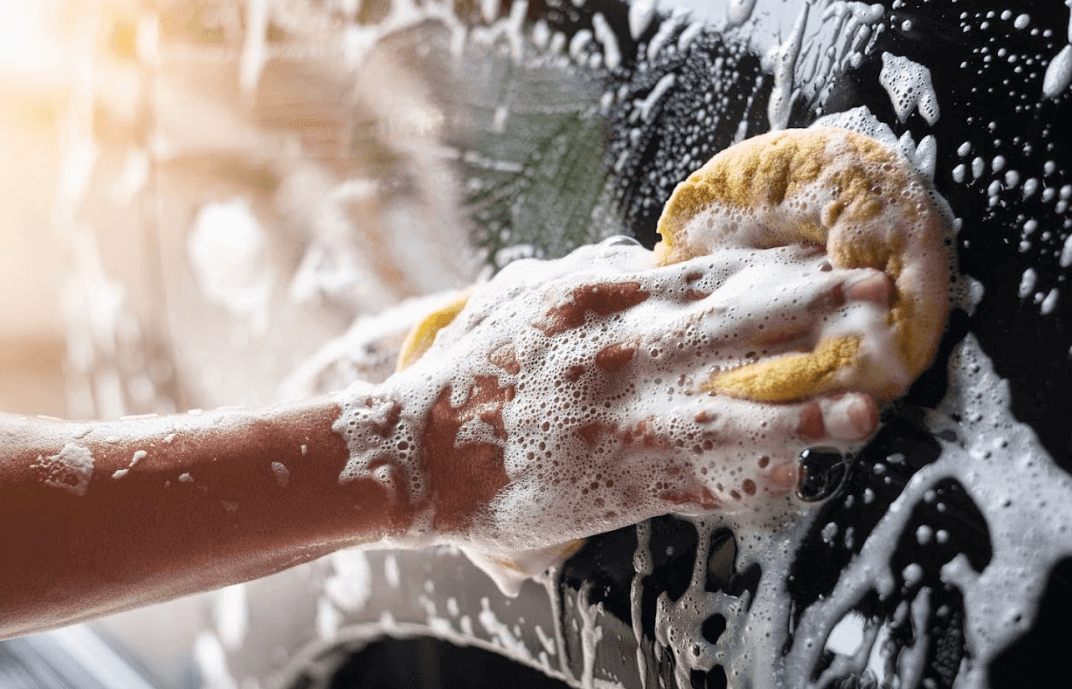
Credit: www.greasepro.com
Alternatives To Dish Soap
Using dish soap on your car might seem convenient, but it can harm the paint. Dish soap strips away wax, leaving the surface vulnerable. Fortunately, there are better options to keep your car clean and shiny.
Car-specific Soaps
Car soaps are designed for automotive surfaces. They clean without stripping wax. These soaps maintain your car’s protective layer. They often include ingredients that enhance shine. Some even contain conditioners. This makes your paint look fresh and vibrant.
Brands offer various options. You can choose based on your needs. Some soaps focus on removing tough dirt. Others highlight enhancing gloss. Using these ensures your car’s safety and beauty.
Diy Solutions
You can create a car wash solution at home. Mixing water and mild shampoo works well. Ensure the shampoo is free from harsh chemicals. It should be gentle on the paint. Another option is baby soap. It’s mild and safe for surfaces.
Always dilute any DIY solution with water. Test it on a small area first. This ensures it doesn’t damage your car. DIY solutions offer flexibility. You can adjust them based on your preference. These alternatives are budget-friendly too.
Expert Opinions
Many experts advise against using dish soap to wash cars. Dish soap can strip wax and damage the car’s paint. Car-specific cleaners are gentler and protect the vehicle’s finish better.
In the quest to keep your car gleaming, you might wonder whether dish soap is an appropriate cleaning agent. Many car owners have turned to this household staple, but what do the experts say? Their insights may surprise you and could influence your car washing routine.What Professional Detailers Recommend
Professional detailers generally advise against using dish soap on cars. Dish soap is designed to cut through grease and grime on dishes, but it can be too harsh for car paint. It strips off the wax and protective coatings, leaving your car’s surface vulnerable to damage.Insights From Car Manufacturers
Car manufacturers also discourage the use of dish soap. They recommend specialized car wash products that maintain the integrity of your vehicle’s finish. These products are formulated to clean without removing essential protective layers. By using them, you ensure your car retains its shine and is protected from environmental elements.Opinions From Environmental Experts
Environmental experts raise another concern about using dish soap on cars. The chemicals in dish soap can be harmful to the environment, especially if they enter storm drains and waterways. Opting for biodegradable car wash products can minimize your ecological footprint. Wouldn’t you rather make a choice that’s kinder to the planet?Personal Experiences: A Cautionary Tale
From personal experience, using dish soap seemed like a convenient option until the car’s finish began to dull. The shine diminished, and tiny scratches appeared over time. This firsthand lesson underscores why expert advice should not be ignored. Have you ever noticed a similar effect on your car? By considering these expert opinions, you can make informed decisions about how to best care for your car. Are you ready to ditch the dish soap for good?Tips For Safe Usage
Using dish soap to wash your car can be effective, but caution is key. It’s vital to ensure that your car’s paint and finish remain undamaged. Following simple techniques can help you achieve a clean car without harm.
Dilution Methods
Dish soap is strong, so dilution is necessary. Mix one part soap with three parts water. This reduces the harshness of the soap. Make sure to use a bucket for mixing. Stir gently until well combined.
- Use warm water for better results.
- Avoid using hot water to prevent damage.
Application Techniques
Once diluted, apply the soap using a soft sponge. Start from the top of the car. Move downwards to avoid streaks. Use circular motions to lift dirt effectively. Rinse thoroughly with clean water.
- Change rinse water frequently.
- Dry with a microfiber cloth to prevent spotting.
Long-term Implications
Using dish soap to wash your car can strip away wax and protective coatings. Over time, this may lead to faded paint and reduced shine. Regular car shampoos are gentler, preserving your vehicle’s finish longer.
Long-term implications are often overlooked when considering the use of dish soap to wash your car. While it might seem like a quick fix, the consequences can linger far beyond the immediate shine. Understanding these implications can help you make informed choices about your car care routine.Potential Damage To Paint
Dish soap is designed to cut through grease and grime, which is great for dishes but harsh on car paint. Over time, using dish soap can strip away the protective wax layer, leaving your car’s paint exposed to the elements. Your car might start looking dull and faded, losing its original luster. This can make you spend more on professional detailing to restore its shine.Impact On Surface Protectants
If you’ve applied surface protectants like wax or sealant, dish soap can weaken these layers. These protectants are crucial for safeguarding against UV rays, dirt, and moisture. Imagine spending time and money waxing your car, only to wash it away unintentionally. It’s like watching your efforts go down the drain.Effect On Rubber And Plastic Components
Dish soap isn’t only harsh on paint; it can affect rubber and plastic parts too. These components can become brittle and crack under the relentless cleaning action of dish soap. Consider the cost of replacing damaged seals and trim pieces. It’s a small detail that can lead to bigger issues over time.Financial Implications
Using dish soap might save you a few bucks initially. However, the long-term costs could be much higher. Repainting, detailing, and replacing damaged parts can add up quickly. Isn’t it better to invest in car-specific products that protect your vehicle’s value? It’s a question worth pondering. Dish soaps contain chemicals that can be harmful to the environment. When rinsed off, these chemicals enter the water system, affecting aquatic life. Choosing eco-friendly car wash products can make a difference. Your small action contributes to a healthier planet. By understanding these implications, you can make smarter choices for your car’s care. What’s your take on using dish soap for washing your car?
Credit: m.facebook.com
Frequently Asked Questions
Is Dish Soap Safe For Car Paint?
Using dish soap on your car can strip protective wax. It’s not formulated for automotive paint. It’s best to use a dedicated car wash soap. These products are designed to clean without harming your car’s finish. Protect your car’s paint by choosing the right cleaning products.
Can Dish Soap Damage Car Surfaces?
Dish soap can potentially damage your car’s surfaces. Its degreasing agents may remove protective coatings. Over time, this can lead to dull paint and corrosion. Always use products specifically designed for cars. This ensures your vehicle remains in top condition.
What Alternatives To Dish Soap For Car Washing?
Opt for a car wash soap instead of dish soap. These products are pH-balanced and gentle on car surfaces. They clean effectively without stripping wax or harming paint. Many brands offer affordable, eco-friendly options. Using the right products ensures your car maintains its shine.
Why Do Some People Use Dish Soap On Cars?
Some use dish soap for its grease-cutting power. They believe it effectively cleans dirt and grime. However, it’s not suitable for regular car maintenance. Dish soap strips wax and protective layers from your vehicle. Always choose products designed for automotive care.
Conclusion
Using dish soap for car washing can harm your vehicle’s finish. It’s designed for dishes, not cars. Harsh chemicals can strip wax and damage paint. Opt for car-specific soap instead. It protects and cleans gently. Your car deserves proper care.
Avoid shortcuts that cost more later. Invest in the right products now. You’ll save time and money in the long run. Keep your car shiny and well-maintained. Choose wisely for the best results. Remember, a little care goes a long way.
Happy car washing!