
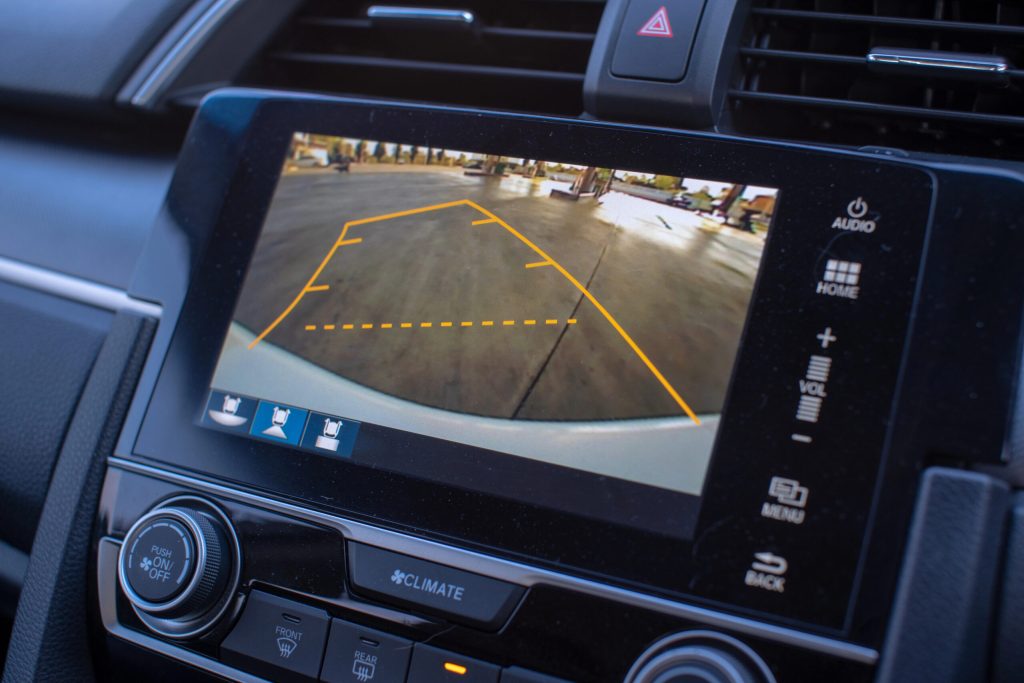
Have you ever found yourself wondering where exactly the backup camera is located on your car? You’re not alone.
Many drivers are curious about this handy feature that has transformed the way we park and reverse with confidence. Understanding its location can enhance your driving experience and ensure your vehicle operates at its best. You’ll discover the common spots where manufacturers install backup cameras and learn why this little device is a game-changer for your safety and convenience on the road.
Stay with us, because knowing more about your car’s backup camera can empower you in ways you never imagined.
Common Locations Of Backup Cameras
Backup cameras have become essential in modern vehicles. They enhance safety by providing a clear view of what’s behind the car. These cameras are typically small and strategically placed. Let’s explore the common locations where backup cameras are found on vehicles.
Rear Bumper
The rear bumper is a popular spot for backup cameras. This location provides a low angle view. It helps drivers see obstacles close to the ground. This position is ideal for spotting curbs and small objects. The camera blends well with the bumper design, maintaining aesthetics.
Trunk Lid
Some vehicles have backup cameras on the trunk lid. This higher position offers a broader perspective. It allows drivers to see further behind the car. This location is common in sedans and some SUVs. The trunk lid placement ensures the camera is less exposed to dirt and debris.
License Plate Area
Another common location is near the license plate. This spot is central, providing a balanced view. It is easy to install and maintain. Many aftermarket cameras use this area. The license plate location keeps the camera discreet and functional.
Credit: www.vwidtalk.com
Factors Influencing Camera Placement
Backup cameras are usually found near the rear license plate. This placement offers a clear view behind the car. Various factors, like vehicle design and camera type, can influence their exact location.
Backup cameras have become a standard feature in modern cars, enhancing safety by providing a clear view of what’s behind your vehicle. But have you ever wondered what influences where these cameras are placed? Several factors come into play, each affecting the camera’s location and functionality.Vehicle Design
The design of your vehicle is a primary factor in camera placement. For instance, a sedan’s sleek rear might not offer the same positioning options as an SUV. Manufacturers strive to balance aesthetic appeal with functionality, ensuring the camera doesn’t disrupt the car’s design. If you drive a truck or van, the camera might be integrated into the tailgate handle or rear bumper, maintaining the vehicle’s style while maximizing utility.Camera Type
The type of camera used can influence where it’s installed. Some vehicles come equipped with wide-angle cameras that require specific angles to capture the best view. Others might use multiple cameras for a 360-degree view, leading to a more strategic placement around the vehicle. The technology behind the camera—whether digital or analog—can also dictate its best position for optimal performance.Visibility Needs
Visibility is crucial for backup cameras. The camera must provide a clear, unobstructed view to assist you effectively. Consider what you need to see when reversing. Do you often park in tight spaces or drive in areas with many obstacles? Your visibility requirements can dictate if the camera is placed higher for a broader view or lower for detailed close-up monitoring. This strategic placement ensures you get the best view possible, enhancing your safety and driving confidence. Each of these factors plays a critical role in determining where a backup camera is installed. Understanding them can give you insight into why your vehicle’s camera is where it is and how it can best serve you. Can you think of a time when a strategically placed backup camera made a difference for you?Advantages Of Different Camera Locations
Backup cameras are often located near the license plate on a car. This position offers a clear rear view, improving safety. Proper placement helps drivers park with ease and avoid obstacles.
When it comes to backup cameras, their location on a car can significantly impact your driving experience. Different placements offer unique benefits. Understanding these can help you make informed decisions about your vehicle’s features. Let’s explore the advantages of various camera locations and see which might be best for you.Enhanced View
Placing the backup camera high on the vehicle, such as near the roofline, can provide a wider and more comprehensive view. This vantage point helps you see more of what’s behind your car. Imagine reversing out of a tight parking spot with ease because you can see obstacles others might miss.Aesthetic Integration
Cameras that are discreetly tucked into the car’s design maintain the vehicle’s sleek appearance. They blend seamlessly into the bumper or license plate area. This subtle integration keeps your car looking stylish while ensuring safety.Protection From Damage
Positioning the camera within the car’s bodywork can shield it from potential harm. This location reduces the risk of damage from weather or minor collisions. Picture driving through a car wash without worrying about your camera getting knocked out of place. Choosing the right camera location can enhance your driving experience. Have you ever thought about how such small details can make a big difference in your daily commute?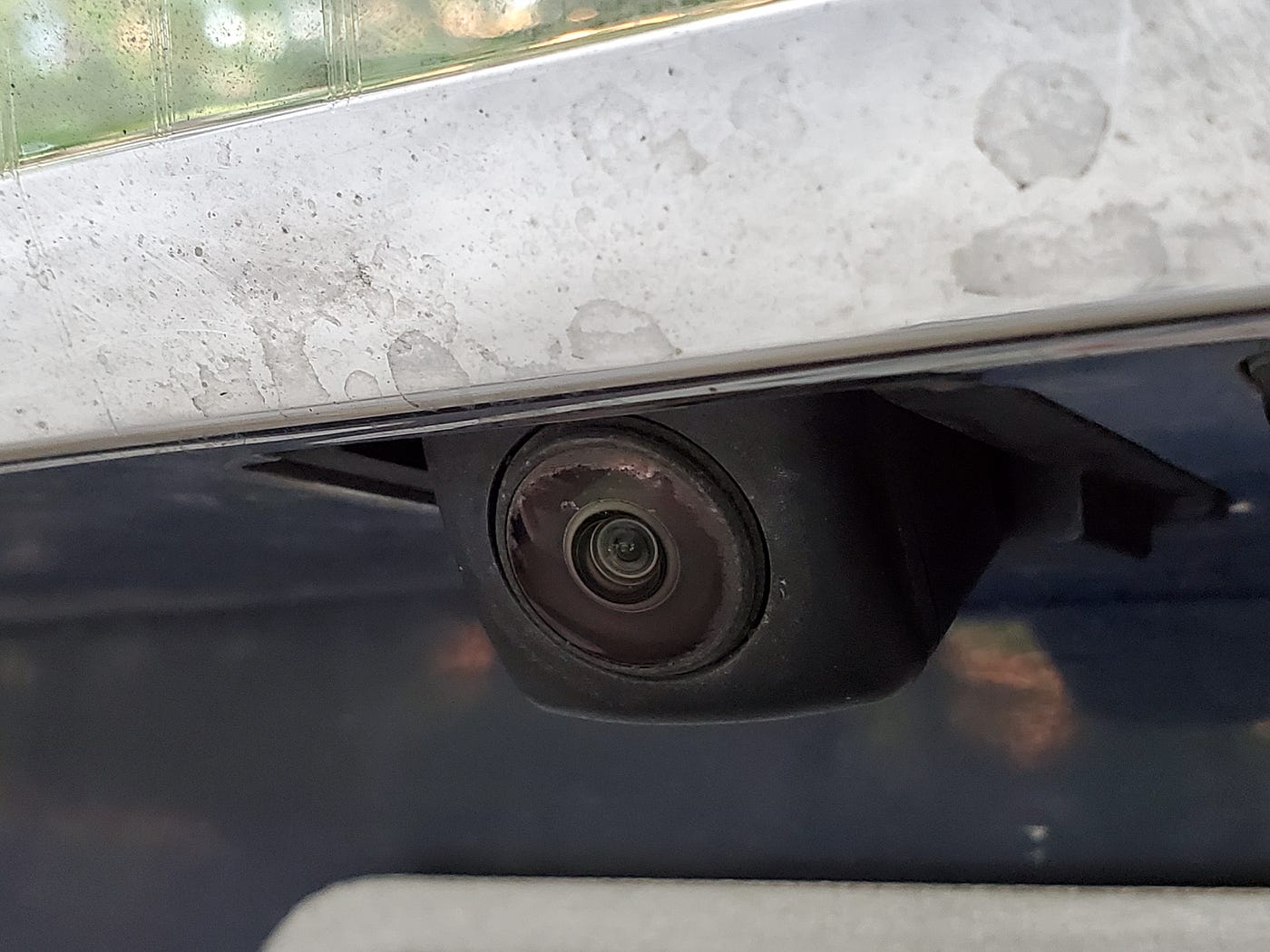
Credit: diylifetech.com
Installation Tips And Considerations
Installing a backup camera on your car can significantly enhance your driving safety and convenience. However, pinpointing the perfect location and ensuring a seamless setup can be a daunting task. Let’s explore some practical tips and considerations to make your installation process smoother and more effective.
Choosing The Right Spot
Think about the camera’s field of view. It should cover the entire rear end of your vehicle, eliminating blind spots. Ideally, the camera should be positioned near the center of your car’s rear, such as above the license plate or integrated into the bumper.
Consider the height for optimal visibility. Too high or too low could skew the perspective, affecting the camera’s effectiveness. Ensure the chosen spot is clean and free from obstructions like mud or debris, which can blur the view.
Wiring And Connectivity
Ensure you have the right wiring kit before you start. It typically involves running a power cable from the camera to your vehicle’s reverse light and a video cable to the dashboard display.
Check the connectivity options. Some modern systems use wireless technology, which simplifies the installation process by reducing the need for extensive wiring. However, ensure the wireless signal is strong and stable to avoid lag or disconnection issues.
Professional Installation Vs Diy
Are you confident in your technical skills? DIY installation can be cost-effective and rewarding if you’re comfortable handling vehicle electronics.
However, if you prefer peace of mind, consider professional installation. Experts ensure the camera is perfectly aligned and securely attached, often offering warranties for their services.
Remember, a professional touch might be the best choice for those who want to avoid the hassle of troubleshooting potential issues later on.
Troubleshooting Common Issues
Backup cameras have become a standard feature in modern vehicles, offering drivers an extra set of eyes to navigate tricky parking situations. However, like any technology, they can sometimes encounter issues that need troubleshooting. Understanding these common problems can help you maintain a reliable backup camera system, ensuring safety and convenience. Let’s dive into some typical issues you might face with your backup camera.
Camera Malfunction
Picture this: you shift your car into reverse, and the backup camera screen remains blank. This frustrating scenario often signals a camera malfunction. Start by checking the camera lens for dirt or obstructions. A simple wipe can restore its function.
If the problem persists, inspect the wiring. Damaged or loose connections can disrupt the camera’s power supply. You might need to consult a professional if you find any wiring issues. Have you noticed any unusual signs like flickering images or intermittent functioning? These are tell-tale signs of a malfunction needing attention.
Connectivity Problems
Connectivity issues are another common culprit behind a non-functioning backup camera. Sometimes, the display screen itself may fail to connect with the camera. Check if there’s a weak or intermittent connection between the camera and the display.
Ensure all cables are securely plugged in. A loose cable can easily cause connectivity problems. Also, investigate if the vehicle’s software needs updating. Outdated software can hinder the camera’s performance. Have you considered whether your vehicle’s recent updates might be affecting its functionality?
Image Quality Concerns
Is your camera displaying grainy or distorted images? This typically points to image quality concerns. Start by cleaning the camera lens, as dirt and debris can degrade image clarity. A clear lens can make a significant difference.
Next, check the camera settings. Incorrect settings can lead to poor image quality. Adjusting brightness or contrast settings might improve the visuals. Are you confident that your camera is capturing the best possible image? If not, it’s worth revisiting these settings.

Credit: www.facebook.com
Frequently Asked Questions
Where Is The Backup Camera On Most Cars?
The backup camera is usually located near the rear license plate. It’s positioned centrally to provide a wide view. This helps drivers see obstacles directly behind the vehicle. Some cars may have the camera integrated into the trunk or tailgate.
Always check your car’s manual for exact location details.
Can The Backup Camera Be Found On Suvs?
Yes, backup cameras are commonly found on SUVs. They’re typically mounted near the rear license plate. This location provides optimal visibility for larger vehicles. The camera helps drivers navigate tight spaces and avoid obstacles. It’s a standard feature on many modern SUVs for safety and convenience.
How Do I Access My Backup Camera?
To access your backup camera, shift your car into reverse. The camera feed automatically appears on the dashboard screen. This system helps drivers see behind the vehicle while reversing. Ensure your screen is clear and unobstructed for a better view.
Consult your manual for specific model instructions.
Are Backup Cameras On All New Cars?
Yes, backup cameras are mandatory on all new cars in the U. S. This requirement started in 2018 to enhance safety. It helps prevent accidents by improving rear visibility. Most modern cars come equipped with this feature. Always check your car’s specifications for camera details.
Conclusion
Backup cameras make reversing safer for everyone. They’re usually at the back. Near the license plate or in the trunk lid. Easy to spot once you know where to look. Their position helps provide a clear view behind your car.
Regular checks keep them clean and functional. A clean lens means better visibility. So, next time you reverse, remember your camera’s position. It guides you safely. Whether you’re parking or backing out of a driveway. Stay alert, stay safe.