
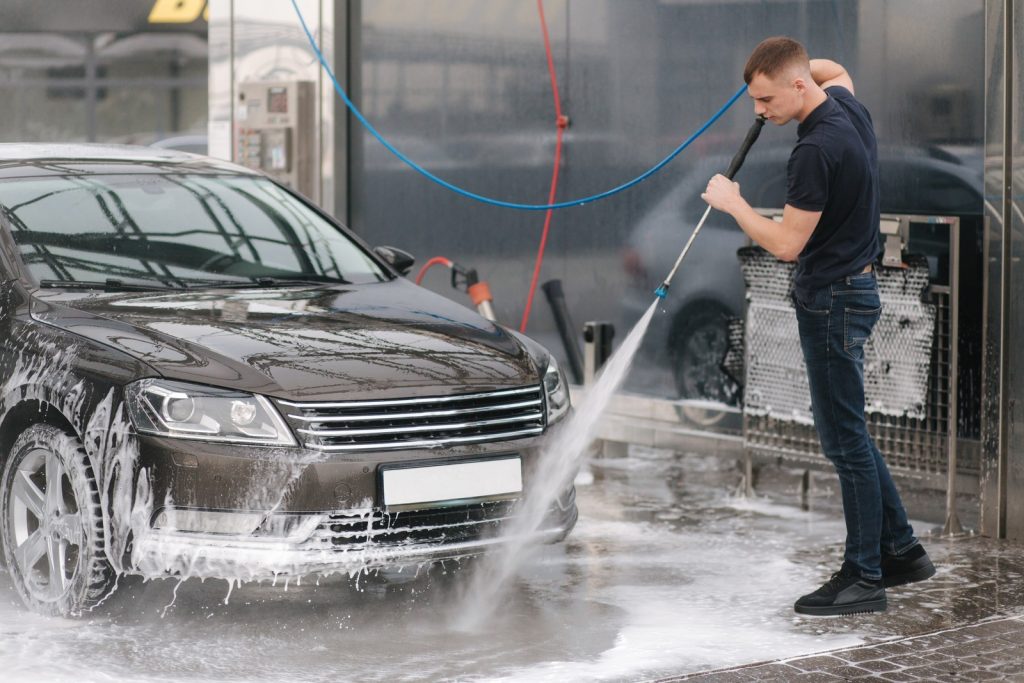
Imagine transforming your car from grimy to gleaming in just minutes. Have you ever considered using a power washer to give your vehicle that showroom shine?
You might be curious if this method is safe or effective. You’re not alone. Many car owners wonder if power washing can make their car cleaning routine quicker and more efficient. You’ll discover the ins and outs of using a power washer on your car.
You’ll learn about the benefits, potential risks, and tips to ensure your car is sparkling without damage. Dive in to find out if power washing is the secret to maintaining your car’s pristine look. Your car deserves the best care, and this might be the shortcut you’ve been searching for.
What Is Power Washing?
Power washing is a cleaning method using high-pressure water spray. It removes dirt, grime, and debris from surfaces. This technique is effective for tough stains and large areas. Power washers come in various sizes and power levels. They are used for cleaning buildings, driveways, and vehicles. Understanding how power washing works can help with its safe use.
How Does Power Washing Work?
Power washing uses a motorized pump to increase water pressure. The high pressure breaks down stubborn dirt and residue. Water is usually heated to enhance cleaning effectiveness. Nozzles control the spray pattern and pressure level. Different nozzles serve different cleaning purposes. Always choose the right nozzle for your task.
Benefits Of Power Washing
Power washing saves time compared to manual scrubbing. It delivers thorough cleaning results on various surfaces. This method can reach difficult spots, ensuring no area is missed. It also helps maintain the appearance of your vehicle. Regular power washing can prolong your car’s paint life. It removes harmful substances like salt and road grime.
Safety Precautions While Power Washing
Always wear protective gear, like goggles and gloves. Avoid directing the spray at people or pets. Test on a small area first to prevent damage. Maintain a safe distance from the surface being cleaned. Use the appropriate pressure setting for your car. High pressure can cause scratches or paint damage.
Benefits Of Power Washing Cars
Power washing can effectively remove dirt and grime from your car’s surface. It reaches hard-to-clean areas with ease. Regular cleaning maintains the car’s appearance and prevents damage from accumulated debris.
Power washing your car offers numerous benefits that make it a worthwhile option. This method can enhance the cleanliness and appearance of your vehicle, while also saving you valuable time. Discover how power washing can transform your car maintenance routine.Enhanced Cleaning Efficiency
Power washers use high-pressure water jets to remove dirt and grime. This allows for deeper cleaning compared to traditional methods. Stubborn stains and mud get washed away effortlessly. The pressure can reach hard-to-clean areas, ensuring every inch of your car is spotless. A clean car not only looks better but also lasts longer.Time-saving Method
Power washing is fast. It reduces the time spent scrubbing and rinsing. A typical wash can be completed in minutes rather than hours. This is ideal for busy schedules. You’ll have more time for other activities or family. Less time spent cleaning means more time enjoying a sparkling car.Improved Car Aesthetics
A freshly washed car stands out. Power washing enhances shine and color. It removes unsightly blemishes and water spots. Your car looks newer and well-maintained. This improves its resale value and appeal. A clean car makes a positive impression wherever you go.Potential Risks And Precautions
Power washing a car can damage paint and seals if done improperly. Use low pressure and keep a safe distance. Ensure no water enters sensitive electrical components.
Power washing your car might seem like a quick solution to get rid of dirt and grime, but it comes with its own set of risks. Before you decide to aim that powerful spray at your vehicle, it’s crucial to understand these potential pitfalls and take necessary precautions. The wrong approach could cost you more than just a clean car; it could lead to costly repairs or diminished value. Let’s dive into the specifics.Paint Damage Concerns
Your car’s paint job is not just for aesthetics; it protects the body from rust and corrosion. High-pressure water can strip away the protective layer of wax, leading to paint chipping or peeling. Once, I watched a friend power wash their car, only to find specks of paint missing afterward. Would you risk your car’s shiny finish for a quick wash? To prevent paint damage, maintain a safe distance between the nozzle and the car surface. Use a pressure setting suitable for automobiles, typically below 2000 PSI. Test on a small area if you’re unsure.Water Pressure Hazards
The power of water is undeniable, especially when it comes out at high speed. Too much pressure can dent panels, break mirrors, or even damage the undercarriage. Imagine a small jet of water causing havoc on your car’s exterior. Avoid using the highest setting on your pressure washer. Opt for a fan spray nozzle to distribute pressure evenly and keep the nozzle moving to prevent focused pressure on one spot.Avoiding Electrical Damage
Cars are packed with electronics, from sensors to infotainment systems. High-pressure water can infiltrate seals and reach these sensitive components, leading to malfunction or short-circuiting. Have you ever considered how costly it is to replace damaged electronics? Stay clear of the engine bay and avoid spraying directly at any electrical connections. Cover sensitive areas with a plastic sheet if necessary. Always check your car’s manual for advice on cleaning procedures. By taking these precautions, you can enjoy the benefits of a clean car without the risks associated with power washing.
Credit: www.tiktok.com
Choosing The Right Equipment
Power washing your car requires careful equipment selection. Opt for a pressure washer with adjustable settings to avoid damage. Choose a nozzle suitable for delicate surfaces to ensure a safe and effective clean.
Choosing the right equipment can make all the difference when power washing your car. It’s not just about having a powerful machine; it’s about having the right tools for the job. The right equipment ensures that you clean effectively without damaging your car’s delicate surfaces.Selecting The Appropriate Pressure Washer
To power wash your car safely, you need a pressure washer with a PSI (pounds per square inch) rating between 1200 and 1900. This range provides enough power to remove dirt and grime without stripping paint or causing scratches. Remember, higher PSI doesn’t always mean better cleaning for your car; it’s about balance. Electric pressure washers are often preferred for cars because they provide the needed power without being overly aggressive. They’re also quieter and easier to handle. Have you ever struggled with a heavy gas-powered washer? Electric ones can save you that hassle.Understanding Nozzle Types
Nozzles play a crucial role in controlling the pressure and direction of the water. Using the wrong nozzle can damage your car. Familiarize yourself with the color-coding system:- Red (0 degrees):Avoid using this on your car; it’s too concentrated.
- Yellow (15 degrees):Good for wheels and tough spots, but use with caution.
- Green (25 degrees):Ideal for general car washing.
- White (40 degrees):Perfect for rinsing and gentle cleaning.
Essential Safety Gear
Safety should never take a back seat when power washing your car. Equip yourself with safety goggles to protect your eyes from flying debris. Gloves can offer grip and protect your hands from harsh chemicals. Wearing non-slip shoes can prevent accidents on wet surfaces. Have you ever slipped on a wet driveway while washing your car? Proper footwear can make all the difference. Always be prepared for unexpected slips or splashes. By selecting the right equipment and understanding how to use it, you ensure a safe and effective car wash. Are you ready to give your car the shine it deserves?Step-by-step Power Washing Process
Power washing your car can be a quick and efficient way to keep it clean. It removes dirt and grime with ease. Follow a structured process for the best results. Below is a step-by-step guide to power washing your car safely and effectively.
Preparing Your Car
Start by parking your car in a shady area. This prevents water spots from forming. Close all windows and doors tightly. Ensure antennas are lowered or removed. Remove loose items from the exterior. This includes decorations or magnetic signs. Rinse your car with a garden hose. This helps to remove loose dirt and debris.
Setting Up Equipment
Select the correct nozzle for your power washer. A 25-degree nozzle is ideal for cars. Connect the power washer to a water source. Check that all connections are secure. Fill the detergent tank with car-safe soap. Adjust the pressure settings to a low setting. High pressure can damage your car’s paint.
Executing The Wash
Hold the nozzle about two feet from the car’s surface. Start washing from the top down. This prevents dirt from dripping onto clean areas. Use sweeping motions to cover all areas evenly. Rinse the car thoroughly after applying soap. Ensure no soap residue is left behind. Dry the car with a microfiber towel. This prevents water spots and streaks. Check all areas to ensure a thorough clean.

Credit: www.carsupplieswarehouse.com
Common Mistakes To Avoid
Power washing your car seems like a quick way to clean it. But there are common mistakes people make. These can damage your car or reduce the wash’s effectiveness. Knowing what to avoid helps keep your car safe and clean.
Incorrect Pressure Settings
Choosing the wrong pressure can harm your car. High pressure can chip paint or dent panels. Always use a pressure setting that’s safe for cars. Check your washer’s manual for guidance. Start with a lower pressure and test it on a small area.
Washing In Direct Sunlight
Direct sunlight is not ideal for washing. The sun dries water too fast, leaving spots. Water and soap can dry unevenly, making it harder to clean. Find a shaded area or wash during cooler parts of the day.
Neglecting Sensitive Areas
Certain parts of your car need special care. Power washers can damage mirrors, trims, and seals. Be gentle around these areas. Use a lower pressure or wash by hand. Pay attention to the car’s manual for tips on cleaning sensitive parts.
Aftercare And Maintenance Tips
Regular aftercare is key to keeping your car pristine after power washing. Dry it thoroughly to prevent water spots. Apply wax for added protection and shine.
After power washing your car, the work isn’t quite done yet. Taking the time for proper aftercare and maintenance ensures your vehicle looks pristine and stays protected from the elements. With a few simple steps, you can extend the life of your car’s finish and keep it gleaming for longer.Drying Techniques
Drying your car properly after a power wash is crucial to avoid water spots. Use a microfiber towel, as it’s gentle on the paint and highly absorbent. Another effective method is using a leaf blower. It quickly removes water from crevices and mirrors without any risk of scratching the surface.Protective Coatings
Applying a protective coating can add an extra layer of defense against dirt and UV rays. Consider using wax or a ceramic coating to create a glossy finish. Wax can be applied every few months, while ceramic coatings last much longer, often up to two years. This step not only protects but also enhances the shine, making your car look brand new.Regular Maintenance
Regular maintenance is key to keeping your car in top condition. Set a schedule for washing and detailing to prevent dirt buildup. Check for any signs of damage or wear, like chipped paint or scratches. Addressing these issues early can prevent more extensive repairs down the line. By incorporating these practices into your routine, your car will not only look great but also maintain its value over time. How often do you think about the aftercare of your vehicle? It’s the little steps that make a big difference.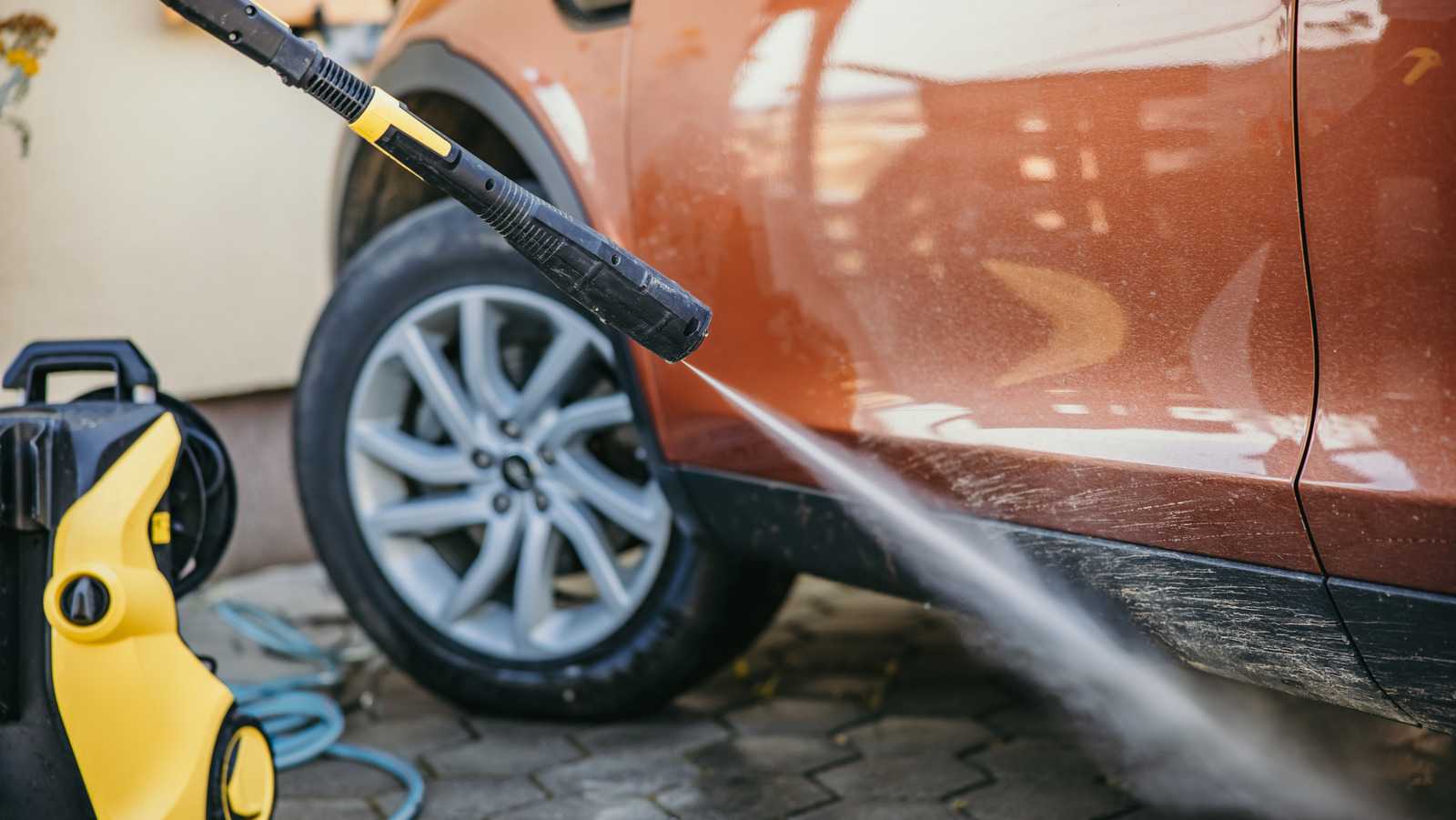
Credit: www.slashgear.com
Alternative Car Washing Methods
When considering alternative car washing methods, it’s important to explore various options. These methods can save time and effort while maintaining your car’s shine. Let’s delve into three popular methods: traditional hand washing, automatic car washes, and waterless car cleaning.
Traditional Hand Washing
Traditional hand washing involves using soap, water, and a sponge. It allows you to pay attention to every detail of your car’s exterior. People enjoy this method for its thoroughness. Hand washing can remove dirt effectively. It’s a great option for those who prefer a personal touch.
Automatic Car Washes
Automatic car washes offer convenience. Drive your car through the wash, and machines do the work. They use brushes and jets to clean your car quickly. This method is perfect for busy individuals. You can save time while keeping your car clean.
Waterless Car Cleaning
Waterless car cleaning uses special sprays and cloths. It’s ideal for areas with water restrictions. Spray the cleaner, then wipe it off with a microfiber cloth. This method is eco-friendly. It reduces water usage while maintaining your car’s appearance.
Frequently Asked Questions
Is Power Washing Safe For My Car?
Power washing can be safe if done correctly. Use a suitable nozzle and maintain a safe distance. Avoid high pressure on sensitive areas like mirrors and windows to prevent damage.
Can Power Washing Remove All Car Dirt?
Power washing effectively removes surface dirt and grime. However, stubborn stains or embedded dirt may require additional scrubbing or specialized cleaners for complete removal.
What Pressure Should I Use For Car Washing?
Use a pressure setting between 1200 and 1900 PSI for washing cars. This range effectively cleans without risking damage to the paint or sensitive components.
Should I Use Detergent With Power Washing?
Using a car-friendly detergent enhances cleaning results. Ensure the detergent is suitable for power washers and safe for car paint to avoid any damage.
Conclusion
Power washing your car? A smart choice, if done carefully. It removes dirt fast. But stay cautious. High pressure might damage paint. Use low settings. Move the spray evenly. Avoid direct hits to sensitive areas. Consider professional help if unsure.
It’s worth it. Keep your vehicle clean and shiny. Always follow safety tips. Take care of your car’s exterior. Regular washing ensures longer life. It’s simple maintenance. Saves future repair costs. A clean car looks great. Maintains value. Enjoy your ride with confidence.
Keep it spotless. Happy driving!