
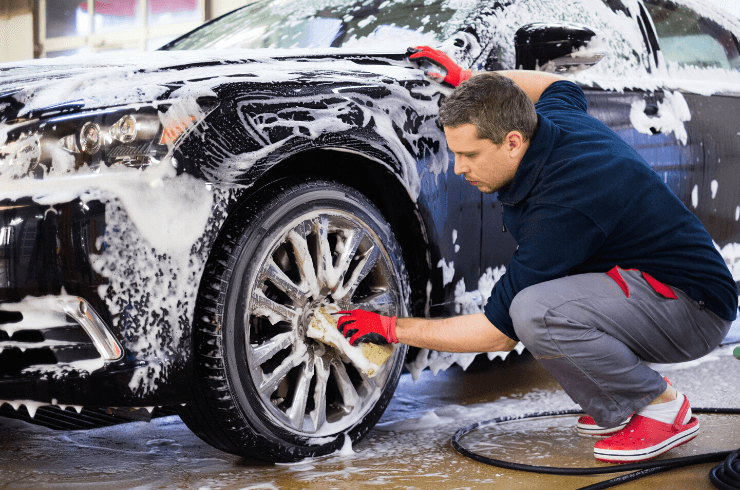
Have you ever looked at your car and wondered if it’s time for a wash? You’re not alone.
Keeping your car clean is more than just a matter of appearance; it affects its longevity and your driving experience. A shiny car not only turns heads but also prevents long-term damage from dirt, grime, and environmental factors. But how often should you really be washing your vehicle?
Is it every week, every month, or just when it starts looking a bit too dusty? You’ll discover the perfect car wash routine tailored to your lifestyle and environment. You’ll be surprised at how simple it can be to maintain your car’s sparkle and shine while preserving its value. Dive in to unlock the secrets of car maintenance that will keep your ride looking as good as new.
Factors Influencing Car Wash Frequency
How often should you wash your car? The answer depends on various factors. Understanding these can help maintain your car’s appearance and longevity. Explore the key elements that determine car wash frequency.
Environmental Conditions
Your environment plays a significant role. Living in an area with heavy pollution or dust means more frequent washes. Rainy or snowy climates require regular cleaning to remove salt and grime. In areas with a lot of pollen, washing your car more often can prevent buildup.
Driving Habits
Frequent long drives accumulate more dirt on your car. Off-road driving or construction zones can leave your vehicle muddy and dusty. If you drive in these conditions, consider washing your car more often.
Parking Location
Parking indoors can protect your car from dirt and debris. Outdoor parking exposes your vehicle to elements like bird droppings and tree sap. Cars parked under trees may need more frequent washing to remove sticky residue.

Credit: www.facebook.com
Benefits Of Regular Car Washes
Regular car washes keep your vehicle looking new and protect its paint. Washing every two weeks removes dirt and grime, preventing damage.
Regular car washes are more than just a vanity project; they are a crucial part of car maintenance that can have lasting benefits. Whether you’re someone who loves the gleam of a freshly washed car or you just want to ensure your vehicle’s longevity, understanding the advantages of regular car washes can help you make informed decisions. As we explore these benefits, consider how they might impact your car’s performance and appearance.Maintaining Paint And Finish
Your car’s paint is constantly exposed to harsh elements like UV rays, dirt, and pollutants. Regular washes help remove these damaging substances, preserving the vehicle’s vibrant color and finish. Imagine driving a car that not only performs well but looks great too—regular cleaning makes this possible.Enhancing Resale Value
Think about the impression a spotless car makes when you’re trying to sell it. A well-maintained exterior can significantly enhance your car’s resale value. You might wonder, “Why do some cars look almost new even after years?” It’s often because their owners prioritized regular washes, ensuring they got top dollar when it was time to sell.Preventing Rust And Corrosion
Rust is a car’s silent enemy, slowly eating away at its body and structure. Washing your car regularly helps prevent rust by removing dirt and debris that can trap moisture. Have you ever noticed how some older cars have rust spots while others look pristine? Regular cleaning is often the difference, safeguarding against corrosion that can compromise the vehicle’s integrity. So, how often should you wash your car to reap these benefits? Consider your environment and driving habits, and remember that consistency is key. Regular car washes are a simple yet powerful tool for maintaining your vehicle’s health and aesthetics. What steps will you take to keep your car looking its best?Types Of Car Washes
Understanding the different types of car washes can help you maintain your car’s appearance. Each type offers unique benefits and can influence how often you should wash your vehicle. Explore the options below to find the best fit for your needs and lifestyle.
Automatic Vs. Manual
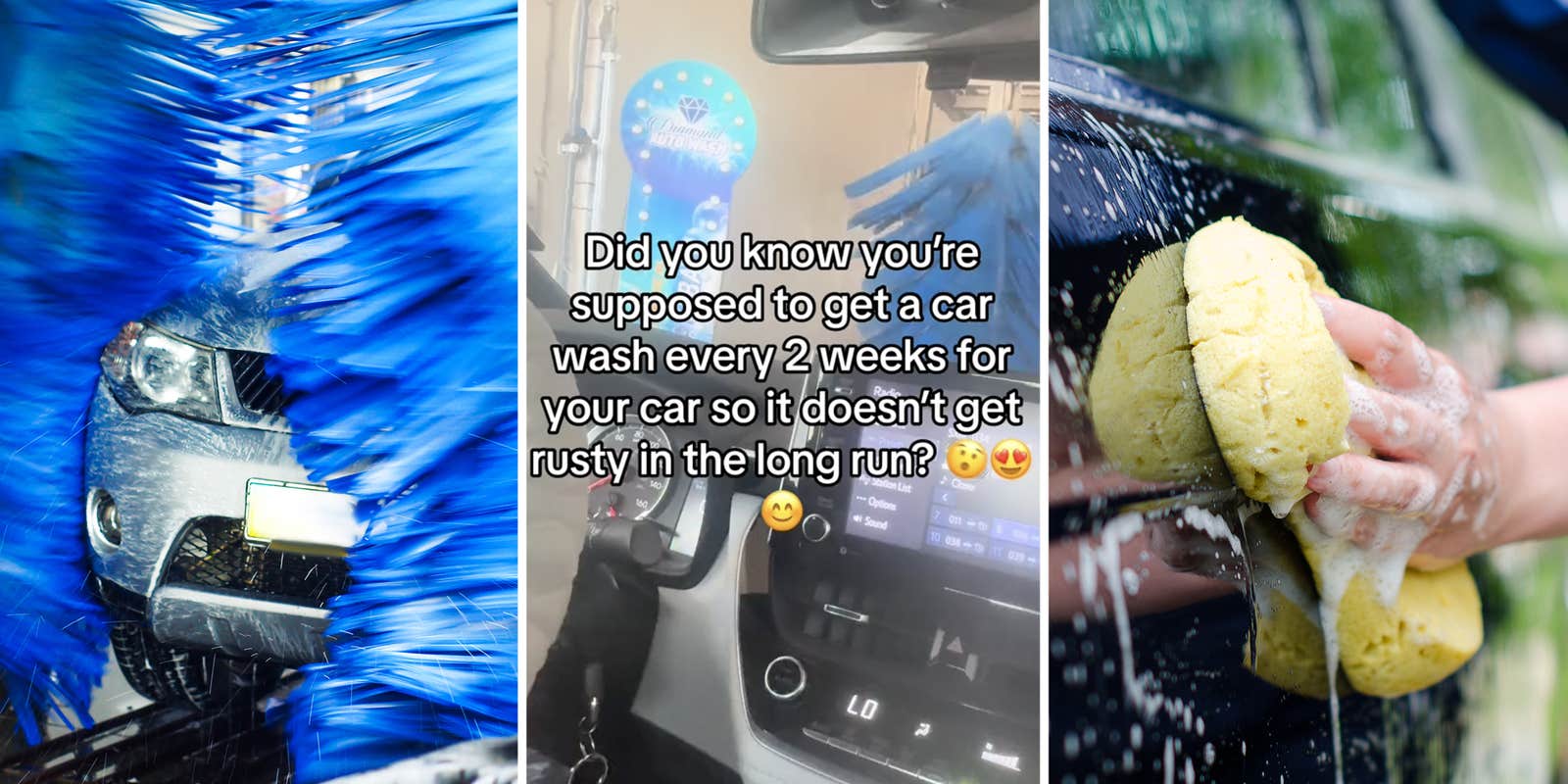
Automatic car washes provide convenience. Drive your car into the facility and let machines do the work. They save time and effort. But they may use harsh brushes that could damage your paint. Manual washes offer more control. You can ensure every spot is clean. Some prefer this method for a personal touch. It requires more time and physical effort.
Touchless Options
Touchless car washes use high-pressure water and detergents. They avoid direct contact with your car’s surface. This reduces the risk of scratches. These washes are efficient and quick. They’re ideal for those concerned about maintaining their car’s paint integrity.
Diy Washes
DIY washes are popular among car enthusiasts. They allow you to use your own products and techniques. You can focus on specific areas needing extra care. This method is often budget-friendly. But it demands more time and access to the right tools. Consider it for a more hands-on approach to car care.
Credit: www.dailydot.com
Seasonal Considerations
Keeping your car clean is not just about appearance. Different seasons require different car care. Each season presents unique challenges for your vehicle. Understanding these can help maintain your car’s condition and value.
Summer Vs. Winter Needs
In summer, heat and sun can damage your car’s paint. Regular washes prevent dirt and dust buildup. Use a wax coat for protection against UV rays.
Winter brings snow, ice, and mud. These elements can harm your car’s finish. A protective wax layer helps shield your car from harsh winter conditions.
Impact Of Road Salt
Road salt is common in winter. It melts ice but can rust your car. Regular washing removes salt and prevents corrosion. Pay special attention to the car’s underbody.
Rain And Humidity Effects
Rainwater can leave spots and dirt on your car. High humidity causes moisture buildup, leading to rust. Frequent washing keeps your car clean and rust-free.
Tips For Effective Car Washing
Regular car washing helps maintain its shine and protect the paint. Washing every two weeks is ideal for most cars. Consider weekly washes if you drive in harsh conditions or areas with heavy pollution.
Keeping your car clean is more than just a visual treat. It protects your vehicle from damage and maintains its value. Washing your car regularly can seem like a chore, but using the right approach makes it easier. Here are some effective tips to ensure your car looks its best.Choosing The Right Products
Select products specifically designed for cars. Household cleaners can harm the paint. Use a car shampoo that is gentle yet effective. Check for pH-balanced products. They protect the car’s finish. Microfiber cloths are best for drying. They prevent scratches and absorb water well.Proper Washing Techniques
Always rinse the car first. Remove loose dirt and debris. Use a two-bucket method. One for soapy water, another for rinsing. Wash from top to bottom. It prevents dirt from spreading. Use a soft sponge or mitt. Rinse thoroughly to remove all soap. Dry with a microfiber towel to avoid water spots.Frequency Recommendations
Wash your car every two weeks. This frequency suits most environments. If you live in an area with harsh weather, wash more often. Salt from roads in winter can damage the paint. During summer, bird droppings and tree sap can also harm the finish. Regular washing helps protect against these elements.Common Car Wash Myths
Car washes are essential for maintaining your car’s appearance. But myths often cloud the decision on how often to wash your car. Many drivers fall prey to misconceptions. Understanding these myths helps make informed choices.
Does Frequent Washing Damage Paint?
Some believe frequent washing harms the car’s paint. This is a myth. Modern car paints are durable. Regular washing protects against dirt and pollutants. Dirt can scratch the paint if left too long. So, washing often is beneficial, not harmful.
Is Hand Washing Always Better?
Hand washing might seem superior. In reality, both methods have pros and cons. Automatic washes can be gentle and thorough. They save time and ensure consistency. Hand washing allows for detailed care but can cause scratches if done improperly. Choose a method based on convenience and skill.
Can Rain Substitute A Wash?
Many think rain cleans the car. This is misleading. Rainwater carries pollutants and dirt. It can leave spots and cause damage over time. Relying on rain leads to more harm than good. Regular car washes are necessary despite the weather.
Expert Opinions And Advice
Expert opinions suggest washing your car every two weeks to maintain its appearance and protect the paint. Regular cleaning prevents dirt and grime buildup, extending the vehicle’s lifespan.
Getting advice from experts can often simplify the decision-making process, especially when it comes to maintaining your car. Whether you’re a car enthusiast or someone who sees a vehicle as just a means of transport, understanding how often you should wash your car can impact its longevity and value. Experts share insights that can help you keep your car in pristine condition while avoiding unnecessary expenses. So, what do the pros say?Insights From Automotive Professionals
Automotive professionals stress the importance of regular car washes. Dirt and grime can eat away at your car’s paint over time. Many experts recommend washing your car at least every two weeks. However, environmental factors play a big role. If you live in an area with frequent rain or snow, you may need to wash your car more frequently. Professionals suggest that washing off road salt and grime quickly can prevent rust and corrosion.Case Studies And Real-life Examples
Consider the story of an auto enthusiast who followed expert advice and washed his car every week. His vehicle maintained its shine and resale value even after several years. Frequent washes kept the paint from dulling and protected the exterior from harsh weather conditions. On the flip side, a busy city dweller might wash their car less often due to time constraints. However, they noticed increased wear on the paint and minor rust spots. This real-life example shows the importance of finding a balance that suits your lifestyle and local conditions. How often do you wash your car? Could adjusting your routine extend its lifespan and value?
Credit: www.instagram.com
Frequently Asked Questions
How Often Should I Wash My Car?
Regular car washes protect your car’s paint and finish. Ideally, wash your car every two weeks. Factors like weather and driving conditions may require more frequent washes. Frequent washing prevents dirt buildup and protects your vehicle’s value. Use quality products for effective cleaning.
Is It Bad To Wash My Car Too Often?
Washing your car too often can cause minor scratches. Use soft cloths and gentle cleaners to minimize damage. Overwashing may affect wax and sealant layers. Maintain a balance by washing every two weeks or as needed. Protect your car’s exterior with appropriate care products.
Can I Wash My Car In Winter?
Winter car washes are crucial to remove salt and grime. Salt can damage your car’s paint and undercarriage. Wash your car every two weeks during winter. Use warm water and specialized products for effective cleaning. Protect your car with a wax layer before winter.
What Type Of Car Wash Is Best?
Choose between hand wash and automatic wash. Hand wash offers meticulous cleaning but requires more time. Automatic wash is convenient but may leave minor scratches. Opt for touchless automatic washes for reduced risk. Consider your schedule and car’s needs when choosing a method.
Conclusion
Regular car washes keep your vehicle looking fresh. They also prevent damage from dirt and grime. Washing once every two weeks is a good rule. But, driving conditions can change this. Dusty roads? Wash more often. Rainy season? Maybe less.
Your lifestyle affects your schedule. Busy days might mean less time for washes. Yet, keeping a clean car can save money long-term. Protects the paint. Boosts resale value. Remember, a clean car is a happy car. Make washing a routine.
Your car deserves it.