
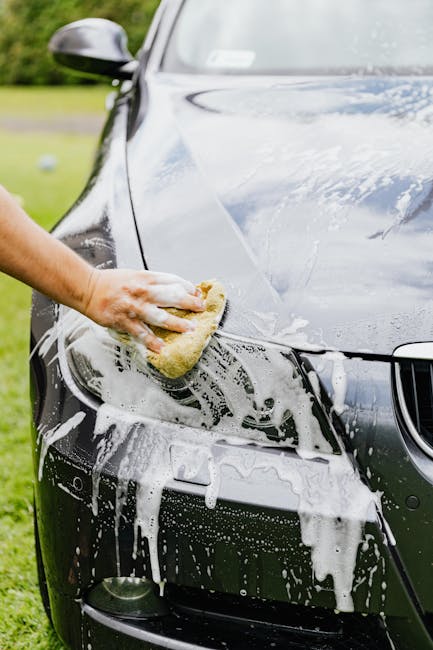
Imagine stepping outside to wash your car on a sunny day. You grab a bucket, fill it with water, and reach for the dish soap.
But then a question pops into your mind: “Is dish soap okay for car wash? ” You’re not alone in wondering this. Many people think dish soap is a convenient option because it’s always around and seems to do the job.
But is it really safe for your car’s paint and finish? You care about your car’s appearance, and you want it to shine without risking damage. This is why understanding what happens when you use dish soap on your car is crucial. This article will dive into the potential effects of dish soap on car surfaces and help you make an informed choice. You’ll discover the truth behind common misconceptions, and learn about better alternatives that ensure your car stays in tip-top shape. Keep reading to find out how you can maintain your car’s beauty without compromising its health.
Dish Soap Ingredients
Many dish soaps contain degreasers and chemicals that can strip car wax. These ingredients may dull the car’s finish. Opt for soaps specifically designed for cars to maintain the vehicle’s shine and protection.
When considering using dish soap for washing your car, understanding its ingredients is key. Dish soap is formulated to tackle tough grease and grime, which makes it a powerful cleaner in your kitchen. However, these same ingredients may not be ideal for your vehicle’s finish. Let’s dive into what makes up dish soap and why it matters for your car wash routine.Understanding Surfactants
Dish soaps contain surfactants, which are compounds that help break down oils and dirt. They are effective at removing food residue but can strip away the protective wax on your car. This leaves your vehicle vulnerable to scratches and environmental damage.Ph Levels And Their Impact
Most dish soaps are designed with a neutral pH to be gentle on hands. However, the pH balance might not align with car cleaning products, which are formulated to protect paint and finish. Using dish soap could inadvertently dull your car’s appearance over time.Fragrances And Dyes
Dish soaps often include fragrances and dyes to enhance user experience. While these additives make dishwashing more pleasant, they can lead to staining or residue on your car’s surface. Always consider if these extras are worth the risk when it comes to your vehicle’s paint job.Preservatives And Antibacterial Agents
To prolong shelf life, dish soaps include preservatives and sometimes antibacterial agents. While these components keep soap fresh and effective, they may not be necessary for car washing. In fact, they could be harmful to your car’s finish and the environment. Think about your car’s needs the next time you reach for dish soap. Is convenience worth the potential long-term damage?Effects On Car Paint
Dish soap can strip away wax and protective coatings, leaving car paint exposed to damage. It is abrasive and can cause scratches, reducing the shine and longevity of the paint.
Washing your car might seem like a straightforward task, but the products you choose can significantly impact your car’s paint. Dish soap is a common household cleaning agent, but using it on your car may not be as harmless as it appears. Let’s explore how it affects your car’s paint.Stripping Away Protective Layers
Dish soap is designed to cut through grease and grime, which makes it effective for kitchen use. However, these grease-cutting properties can strip away the wax and sealant layers from your car. Without these protective layers, your car’s paint is exposed to the elements, leading to potential damage.Causing Fading And Dullness
Frequent use of dish soap can lead to fading of your car’s vibrant paint. You might notice a dull appearance over time. This happens because dish soap can erode the paint’s surface, reducing its shine and vibrancy.Creating Micro-scratches
The chemical composition of dish soap can be abrasive, which may lead to micro-scratches on your car’s surface. These tiny scratches can accumulate, making your car look less polished and even affecting its resale value.Long-term Damage Risks
While a single wash with dish soap might not seem harmful, repeated use can cause long-term damage. Paint may start chipping or peeling, leading to costly repairs down the road. Is saving a few bucks on car wash soap worth risking such damage?Alternatives For Safe Car Washing
Consider using car-specific soaps designed to protect your vehicle’s paint. These products are formulated to clean without stripping away protective coatings. Investing in the right soap ensures your car remains pristine and retains its value. Using dish soap for car washing may seem convenient, but it’s essential to consider the potential effects on your car’s paint. Wouldn’t it be wiser to choose products that keep your car looking its best?Impact On Wax And Sealant
Dish soap can strip away wax and sealants from car surfaces. This leads to reduced protection against the elements. Regular use might dull the car’s finish, making it less shiny.
Washing your car with dish soap might seem like a convenient choice, but it can have significant effects on your car’s wax and sealant. While dish soap is excellent for breaking down grease on your dishes, the same properties can strip away protective layers on your car’s surface. This can leave your car vulnerable to environmental elements like UV rays, dirt, and rain.How Dish Soap Affects Wax
Dish soap is designed to cut through grease, which means it can also cut through the wax on your car. Wax acts as a protective layer that shields your car’s paint from scratches and fading. Without this layer, your car’s paint might lose its shine and durability faster. Have you ever noticed your dishes squeaky clean after washing them with dish soap? Imagine that same effect on your car, but without the protection wax provides.Impact On Sealant Longevity
Sealants offer long-term protection and are more durable than wax. However, using dish soap regularly can degrade this protective layer over time. This might lead to more frequent applications of sealant, increasing your maintenance efforts and costs. If you value your time and money, you might want to consider how often you want to be reapplying that sealant.Can Dish Soap Be An Emergency Solution?
If you’re caught in a bind and dish soap is all you have, using it once or twice likely won’t cause irreversible damage. However, it’s crucial to reapply wax or sealant soon after. Ever left the house without an umbrella and got soaked? It’s not ideal, but manageable if it’s a one-time thing. Just make sure it doesn’t become a regular habit.What Alternatives Should You Consider?
For regular car washing, using a soap specifically designed for cars is always the best option. Car soaps maintain the integrity of wax and sealants, ensuring your car remains protected. These soaps are formulated to clean without stripping away the layers that keep your car looking new. Investing in quality car soap could save you from future headaches and expenses. Does the convenience of dish soap outweigh the potential costs and extra work it might lead to? As you mull over this question, remember that your car is an investment worth protecting.Long-term Consequences
Using dish soap for car wash might strip the wax and damage the paint over time. It is not designed for automotive surfaces and can lead to dullness and corrosion.
Car enthusiasts often debate the use of dish soap for car washing. While it might seem like a handy option, the long-term consequences can be significant. Understanding these impacts is crucial for maintaining your car’s pristine condition.Environmental Impact
Dish soap can harm the environment. Residues and chemicals wash away into drains. These can pollute water bodies. Eco-friendly car soaps are better. They break down naturally and cause less harm.Paint Damage Over Time
Dish soap strips wax and protective coatings. Over time, this exposes paint to harsh elements. UV rays and rain can fade the paint. Regular use might lead to dull and lifeless car surfaces.Corrosion Of Metal Parts
Dish soap affects metal surfaces. The strong chemicals can lead to corrosion. This weakens metal parts, causing expensive repairs. Proper car soap preserves the metal’s integrity.Drying Out Rubber Seals
Rubber seals are crucial for car windows and doors. Dish soap can dry them out, causing cracks. These cracks lead to leaks and poor insulation. Specialized car cleaners protect and nourish rubber components.Cost Implications
Frequent dish soap use can increase maintenance costs. Paint repairs and part replacements add up. Investing in quality car wash products saves money in the long run.Comparison With Car Wash Products
Dish soap can strip wax and harm car paint. Specialized car wash products are gentler, preserving the vehicle’s finish. Choose wisely for a sparkling, protected surface.
When it comes to washing your car, the choice between dish soap and specialized car wash products is more than just a matter of convenience. While dish soap is often readily available and inexpensive, car wash products are specifically designed to protect your vehicle’s finish. This section will delve into the differences between these two options to help you make an informed decision.Understanding The Formulation
Dish soap is engineered to cut through grease and grime, making it excellent for cleaning dishes but potentially harsh on your car’s paint. Car wash products, on the other hand, are formulated with gentle detergents that maintain the integrity of your vehicle’s surface while removing dirt. This tailored formulation in car wash products ensures your paint job stays glossy and protected.Impact On Paint And Finish
Using dish soap might strip away wax and protective coatings from your car’s paint, leaving it vulnerable to environmental damage. Car wash products contain conditioners and waxes that enhance the shine and longevity of the paint. Imagine you’ve spent hours waxing your car only to have it stripped away with dish soap—frustrating, right? Opting for specialized products protects your investment.Cost Effectiveness
While dish soap seems like a budget-friendly option, consider the long-term costs. Frequent use might lead to dull paint, necessitating expensive repairs or repainting. Car wash products might have a higher upfront cost, but they save you money by preserving your car’s appearance. It’s about balancing initial expense with future savings.Environmental Considerations
Car wash products are often designed to be environmentally friendly, reducing harmful runoff into storm drains. Dish soap, lacking these considerations, might contribute to pollution. If you care about the planet, choosing eco-friendly car wash products could be your small contribution to reducing environmental impact.Personal Experience
I’ve learned the hard way that dish soap can leave unsightly streaks and dull spots on my car’s finish. Switching to a dedicated car wash solution made a noticeable difference in the shine and quality of the paint. Have you ever faced a similar situation? It’s those firsthand experiences that often drive home the importance of using the right product for the job. As you weigh your options, consider not just the immediate convenience but also the long-term effects on your car’s appearance and value. Would you risk compromising your car’s finish for a quick solution, or invest in its lasting beauty?Alternatives For Car Cleaning
Using dish soap for car wash might seem convenient, but it can strip wax and damage paint. Opt for specialized car wash soap designed to protect the vehicle’s finish and maintain its shine.
Keeping your car clean is not just about aesthetics; it also preserves the vehicle’s value and longevity. While dish soap might seem convenient, it can strip away protective wax coatings and damage your car’s paint. Fortunately, there are several effective alternatives for car cleaning that won’t compromise your vehicle’s finish.Car Wash Soap
Car wash soap is specifically formulated to clean your car without harming the paint or wax. It provides the right balance of cleaning power and gentleness. You can find it at any auto parts store or online, making it a convenient choice.Waterless Car Wash Products
Waterless car wash solutions are perfect for urban dwellers without easy access to a hose. These sprays clean and shine your car without needing water. Just spray on and wipe off with a microfiber cloth.White Vinegar And Water
For a homemade option, mix equal parts white vinegar and water. This solution can tackle tough grime and water spots on your car’s exterior. It’s eco-friendly and cost-effective, but be sure to rinse thoroughly to prevent any residual vinegar smell.Baking Soda Paste
Stubborn stains on your car’s surface can be addressed with a baking soda paste. Mix baking soda with a little water to form a paste, then gently scrub the affected area. This method is gentle enough to avoid scratches while still being effective.Microfiber Cloths
Microfiber cloths are a must-have for any car cleaning task. They are highly absorbent and non-abrasive, making them ideal for buffing and drying. Keeping a few in your trunk ensures you’re always ready for quick clean-ups.Commercial Car Wax
After cleaning, applying a layer of commercial car wax can protect your car’s paint. Wax provides a glossy finish and serves as a barrier against environmental elements. Regular waxing keeps your car looking new longer and easier to clean the next time. Think about how these alternatives can enhance your car cleaning routine. Which one will you try first?Expert Opinions
Expert opinions suggest using dish soap for car wash might strip away wax and damage paint over time. Car-specific soaps are recommended for maintaining the car’s finish and ensuring longevity.
When it comes to washing your car, you’ve probably pondered whether using dish soap is a good idea. While it might seem like a convenient and cost-effective solution, expert opinions provide valuable insights that could change your approach. Let’s dive into what the professionals have to say about using dish soap for car washing.What Automotive Experts Suggest
Automotive experts generally advise against using dish soap for washing cars. They emphasize that dish soap is formulated to cut through grease and food residue on dishes, not to care for automotive paint. Using it can strip away the protective wax layer from your car’s surface.Insights From Car Detailing Professionals
Car detailing professionals share similar concerns. They point out that dish soap can be too harsh for automotive finishes. Over time, it can dull the paint and make it more susceptible to scratches and environmental damage.Opinions From Car Manufacturers
Car manufacturers are also clear in their recommendations. Most vehicle manuals specifically advise against using dish soap. They recommend using products designed specifically for automotive use to preserve the integrity and appearance of your car’s finish.Environmental Considerations
Environmental experts highlight another angle: dish soap can have a higher environmental impact when washed away in large quantities. Car-specific cleaning products are often formulated to be more eco-friendly, minimizing harm to the environment.Real-life Experiences
Have you ever tried washing your car with dish soap? Many people share anecdotes about how their cars looked duller or felt rough to the touch after repeated washes. These firsthand experiences echo the experts’ warnings and reinforce the importance of using the right products. Is it worth risking your car’s finish just for convenience? The consensus from experts is clear: stick to products designed for cars to ensure lasting beauty and protection.
Credit: www.tiktok.com
Common Myths
The debate around using dish soap for car washing is riddled with common myths. Many people swear by it, convinced that dish soap is just as effective as specialized car shampoos. Others warn against it, fearing potential damage. These myths often confuse car owners, leaving them wondering whether this kitchen staple is safe for their vehicles. Let’s dive into some of these misconceptions and uncover the truth.
Myth: Dish Soap Is Harmless For Your Car’s Paint
A popular belief is that dish soap, designed to cut grease on dishes, can harmlessly clean your car. However, dish soap can strip wax and protective coatings, leaving your paint vulnerable to damage. Your car’s finish requires gentle treatment to maintain its shine and protection.
Myth: It’s Cost-effective To Use Dish Soap
Many assume using dish soap is a budget-friendly option. While it’s cheaper upfront, the long-term effects on your car’s paint might lead to expensive repairs. Investing in proper car wash products can save you money and maintain your vehicle’s appearance.
Myth: All Soaps Are Created Equal
Some people think all soaps serve the same purpose, whether for dishes or cars. In reality, car shampoos are formulated to preserve your car’s finish while providing effective cleaning. Dish soap lacks these specialized ingredients, making it unsuitable for car care.
Myth: Quick Fix For A Dirty Car
Dish soap might seem like a quick solution to remove dirt and grime. However, using it frequently can cause long-term damage to your car’s paint. A proper car wash routine with the right products ensures cleanliness without compromising your car’s look.
Have you ever considered the impact of your car cleaning choices? Understanding these myths can help you make informed decisions and protect your investment. What are your thoughts on using dish soap for car washing? Share your experiences and insights in the comments below.
Safety Tips
Using dish soap for car wash may seem convenient, but it can strip wax and damage paint. Opt for specially formulated car wash soap to maintain your car’s shine and protect its finish.
Dish soap is a common household item that many people consider using for their car wash needs. However, understanding the safety tips associated with using dish soap on your vehicle is crucial to avoid potential damage and ensure a sparkling clean finish. In this section, we’ll cover practical advice and insights to help you make informed decisions when cleaning your car.Test On A Small Area First
Before diving into a full car wash with dish soap, it’s wise to test it on a small, inconspicuous area. This will help you see if the soap reacts negatively with your car’s paint. Look for any fading or discoloration. If the test patch shows no adverse effects, you can proceed with caution. But if you notice any changes, it’s best to opt for a car-specific soap.Mix Soap With Ample Water
Dish soap can be quite concentrated, which might strip away the protective wax layer on your car. To mitigate this, mix the soap with plenty of water. A diluted mixture reduces the risk of damaging the paint or clear coat. You want to clean your car, not remove its protection.Avoid Direct Sunlight
Washing your car in direct sunlight can cause the soap to dry too quickly, leaving unsightly streaks and spots. Choose a shaded area or wash during cooler times of the day. This not only protects your car’s finish but makes the washing process more enjoyable and efficient.Use Soft Cloths Or Sponges
Using abrasive materials can scratch your car’s surface, especially when combined with the wrong soap. Opt for soft cloths or sponges to gently clean your car. This ensures a thorough cleaning without damaging the paintwork.Rinse Thoroughly
After washing, rinse your car thoroughly to remove all soap residue. Residual soap can lead to streaks and spots once it dries. A good rinse helps maintain the pristine look of your vehicle and ensures that no soap remains to affect the paint.Consider Frequency
Using dish soap occasionally for car washes might not cause harm, but frequent use can strip away the protective wax and damage the finish over time. Consider the frequency of washes and the type of soap used. Would you prefer a short-term clean or long-term protection? Regular car shampoo might be a better investment for frequent washers. Remember, your car’s appearance reflects your care and attention. Making informed choices ensures that it remains a source of pride and joy.
Credit: www.tiktok.com
Credit: www.greasepro.com
Frequently Asked Questions
Can Dish Soap Damage Car Paint?
Dish soap can strip away protective wax and sealants. It may lead to dulling or damaging your car’s paint over time. It’s best to use car-specific soaps for washing your vehicle to maintain its finish and protection.
Is Dish Soap Safe For Car Cleaning?
Dish soap is not ideal for car cleaning. It can remove protective wax and damage the paint. Use car wash soap designed for automotive finishes. These products are formulated to clean without harming the vehicle’s surface.
What Are The Effects Of Dish Soap On Car Wax?
Dish soap can strip car wax, leaving the paint unprotected. It removes oils and waxes that protect the car’s finish. To maintain the shine and protection, use a car-specific soap instead.
Can Dish Soap Cause Rust On Cars?
Dish soap itself doesn’t cause rust, but it can strip protective coatings. Without wax or sealant, the metal underneath is more exposed. This exposure can lead to rust over time, especially in harsh weather conditions.
Conclusion
Choosing the right soap matters for your car’s health. Dish soap can strip wax and damage the finish. Car-specific soaps are gentle and designed for vehicles. They clean without harming the paint or protective layers. Consider your car’s needs before deciding on soap.
Protecting the finish ensures the car looks good longer. A little extra care goes a long way. Washing with the right products saves money on repairs later. Keep your car shiny and safe with proper cleaning techniques. Always prioritize your car’s maintenance for the best results.