

Imagine driving with an extra set of eyes helping you navigate those tricky parking spots or crowded streets. That’s what a backup camera does.
But do cars really need one? You might be wondering if this gadget is a must-have or just another fancy add-on. As you cruise through this article, you’ll uncover the benefits, potential drawbacks, and surprising insights about backup cameras. We’ll delve into how this technology can transform your driving experience and possibly enhance your safety on the road.
Whether you’re a seasoned driver or a newbie, understanding the impact of a backup camera might change how you view your daily commute. Ready to discover if this little device deserves a spot in your car? Let’s dive in.
Credit: www.auto-vox.com
Importance Of Backup Cameras
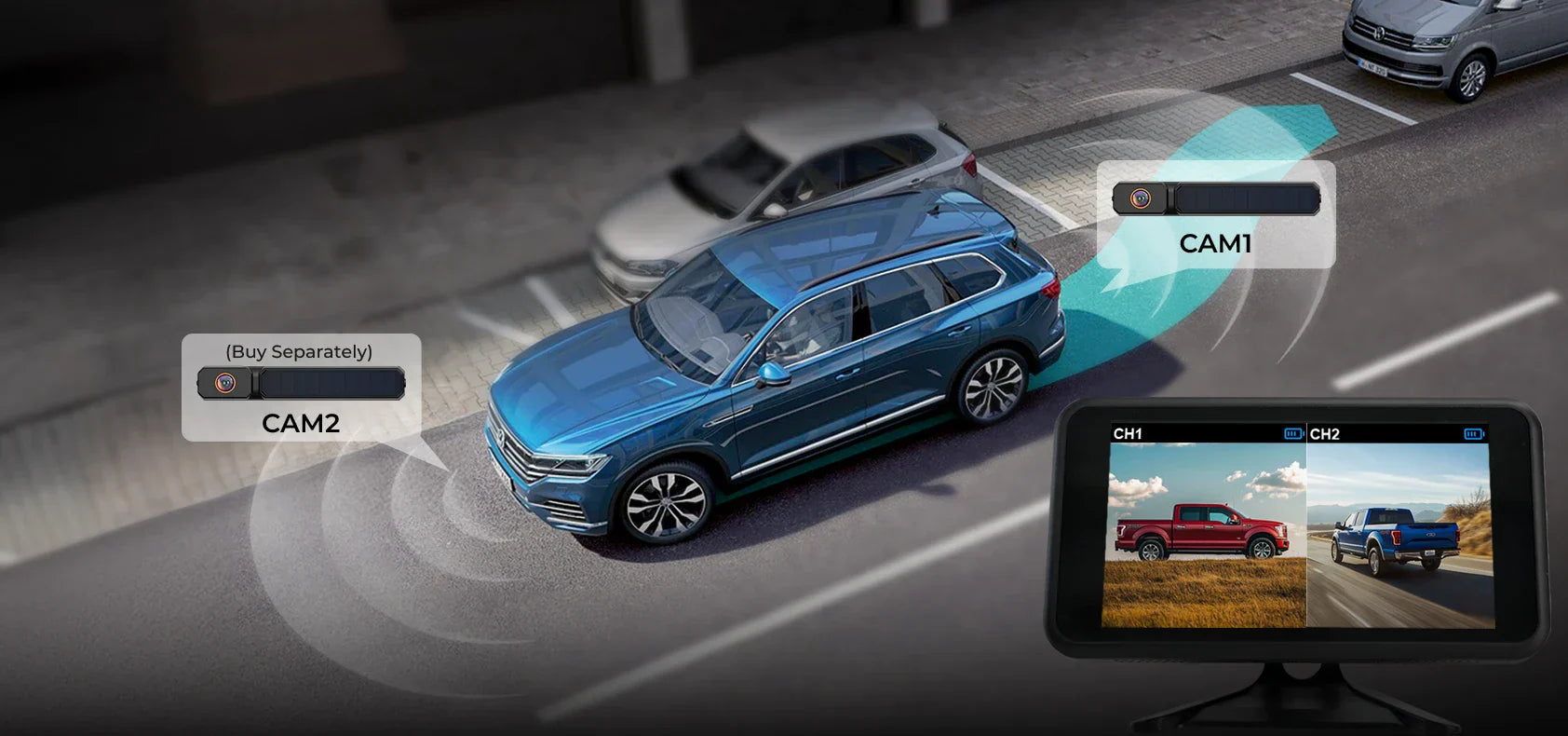
Backup cameras have become a crucial feature in modern vehicles. They enhance safety by providing a clear view behind the car. This technology helps drivers avoid collisions and improve their parking skills. Understanding their importance can lead to safer driving experiences.
Enhancing Driver Safety
Backup cameras reduce blind spots significantly. They allow drivers to see obstacles that might be missed with mirrors alone. This visibility is crucial in preventing accidents, especially in crowded areas.
Assisting With Parking
Parking can be challenging for many drivers. Backup cameras offer a clear rear view, making parking easier and more accurate. They help drivers align their vehicles properly, reducing the risk of parking mishaps.
Protecting Pedestrians And Cyclists
Pedestrians and cyclists often go unnoticed in blind spots. Backup cameras alert drivers to their presence. This feature is especially important in urban environments where foot traffic is high.
Reducing Vehicle Damage
Backup cameras help prevent minor collisions. They provide a detailed view of the area behind the vehicle. This prevents damage during parking or reversing in tight spaces. Avoiding such incidents can save money on repairs.
Boosting Driver Confidence
Backup cameras give drivers more confidence on the road. They reduce anxiety when reversing or parking. This confidence leads to a more relaxed driving experience.
History Of Backup Cameras
Backup cameras have evolved from luxury features to essential safety tools in vehicles. Initially seen in the 1950s, they gained popularity in the 2000s, enhancing driver visibility and reducing accidents. Today, backup cameras are crucial for safe reversing, especially in crowded or tight spaces.
Backup cameras have become essential in modern vehicles. Understanding their origins helps appreciate their widespread use today. These devices were not always standard; their journey to popularity is fascinating.The Early Beginnings
The concept of backup cameras started in the 1950s. Engineers sought solutions to improve vehicle safety. The idea was to give drivers a better rear view. Initial designs were simple and experimental. They lacked the technology we see today.First Production Models
Backup cameras first appeared in luxury cars. In 1991, Toyota introduced a rear-view camera in their Soarer model. It was groundbreaking at the time. This innovation set a trend for other manufacturers.Technological Advancements
As technology improved, cameras became smaller and cheaper. By the 2000s, many cars offered them as optional features. The rise of digital technology made images clearer. This increased the demand for backup cameras.Legislation And Standardization
In 2014, the U.S. government mandated backup cameras in new cars. This decision was driven by safety concerns. It aimed to reduce accidents and enhance driver awareness. As a result, cameras became standard in many vehicles.Modern Usage
Today, backup cameras are in almost all new cars. They provide drivers with confidence and safety. Features like parking sensors enhance their utility. They are now an expected part of vehicle safety technology.Safety Benefits
Backup cameras have become a staple in modern vehicles, offering significant safety benefits that transform the driving experience. Whether you’re a seasoned driver or a beginner, these cameras can enhance your confidence on the road. Let’s dive into why they are essential for your safety.
Reducing Blind Spots
Blind spots are a notorious challenge for drivers, often leading to close calls or accidents. A backup camera minimizes these blind spots by providing a clear view of what’s directly behind your car. Imagine reversing out of a busy parking lot without worrying about hidden obstacles. With a backup camera, you can spot pedestrians, cyclists, and even small objects that might be lurking out of view.
Preventing Accidents
Accidents while reversing can be costly and dangerous. Backup cameras play a crucial role in accident prevention. They provide real-time footage, allowing you to make informed decisions. Have you ever accidentally bumped into a trash can while backing out of your driveway? The camera’s visual aid helps you avoid such mishaps, keeping your car—and everyone around you—safe.
Enhanced Rear Visibility
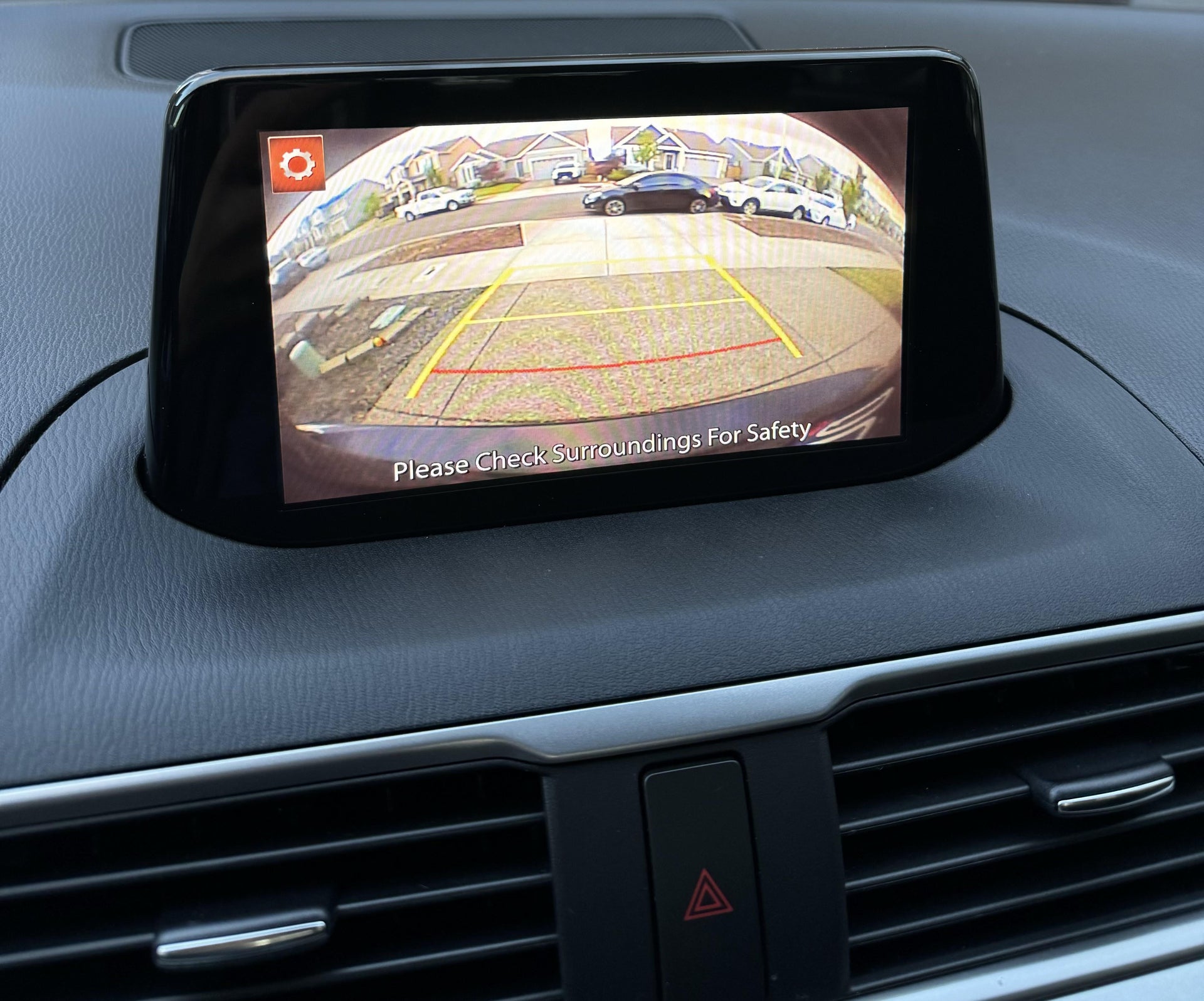
Enhanced rear visibility is one of the standout features of backup cameras. They give you a wider field of vision than rearview mirrors alone. This expanded view can be a game-changer, especially in tricky situations. Ever tried to parallel park on a crowded street? With enhanced visibility, you can maneuver with precision and ease, turning a stressful task into a seamless one.
Credit: thecarplayer.com
Technological Advances
In today’s fast-paced world, technological advances in automotive features are reshaping how we interact with our vehicles. Backup cameras have evolved from luxury add-ons to essential safety components. These innovations are not just about seeing what’s behind you; they’re about enhancing your driving experience in multiple ways.
Integration With Sensors
Modern backup cameras seamlessly integrate with a range of sensors. These sensors detect obstacles that might not be visible in the camera view alone. Imagine reversing in a crowded parking lot; your car alerts you with visual and auditory cues, ensuring you avoid even the smallest hindrance.
This integration provides a comprehensive safety net. Your driving confidence increases, knowing that every angle is covered. It’s like having an extra set of eyes on the road.
High-definition Cameras
Gone are the days of grainy, unclear rear views. High-definition cameras offer crystal-clear images, providing a detailed view of your surroundings. This clarity helps you make precise decisions, especially in tight spots.
HD cameras also improve visibility in bad weather. Even in rain or fog, you get a reliable picture of what’s behind you. Wouldn’t you feel more secure with such precision at your fingertips?
Night Vision Capabilities
Driving at night presents unique challenges, but night vision capabilities in backup cameras tackle these head-on. These cameras use infrared technology to illuminate the dark. You can reverse with the same confidence as you would during the day.
Consider the peace of mind knowing you won’t miss a thing, even in dimly lit areas. It’s a feature that turns nighttime driving from a daunting task into a routine maneuver. Are you ready to embrace a safer night driving experience?
Regulatory Requirements
Federal regulations require new cars to have backup cameras. This rule aims to enhance safety by reducing blind spots. It’s applicable to vehicles manufactured after May 2018.
When considering whether cars need a backup camera, it’s essential to understand the regulatory requirements that drive their inclusion in modern vehicles. These regulations not only impact safety standards but also influence how vehicles are designed and manufactured. It’s fascinating to see how laws evolve to address technological advancements and public safety concerns.Laws And Mandates
Governments worldwide have recognized the importance of backup cameras in enhancing driver visibility and reducing blind spots. In the United States, for instance, the National Highway Traffic Safety Administration (NHTSA) mandated that all new vehicles under 10,000 pounds must have a rearview camera. This requirement, which took effect in 2018, aims to prevent tragic accidents involving pedestrians, particularly children, who are often not visible through rearview mirrors alone. Other countries are also adopting similar regulations. The European Union has implemented rules requiring new passenger and light commercial vehicles to be equipped with reversing cameras or sensors. These laws reflect a global commitment to improving road safety through technology.Impact On Vehicle Design
The requirement for backup cameras significantly affects how vehicles are designed. Manufacturers are now integrating these cameras seamlessly into vehicle exteriors, balancing aesthetics with functionality. Have you noticed how some cars have barely visible cameras tucked under the trunk or embedded in the emblem? This integration also extends to the interior design, where screens displaying the camera feed are becoming standard. Automakers are developing more intuitive interfaces, ensuring that drivers can easily access and interpret the visual information. The design shift not only enhances safety but also adds a modern touch to vehicle interiors. With regulations pushing for advanced safety features, are we moving toward a future where technology will redefine the driving experience? The inclusion of backup cameras is just one example of how laws can shape the vehicles we drive and the way we drive them.Consumer Perspectives
Backup cameras have become a popular feature in modern cars. Many drivers appreciate the added safety and convenience they offer. Understanding consumer perspectives on backup cameras can provide valuable insights.
Survey And Statistics
Recent surveys reveal interesting statistics about backup cameras. Over 70% of drivers feel safer with backup cameras. Many cite improved visibility as a key advantage. A significant number of accidents happen while reversing. Backup cameras help reduce these incidents. They provide a clearer view of obstacles and blind spots. This technology can prevent costly repairs and personal injury.
User Experience
Many drivers report positive user experiences with backup cameras. They find parking easier and more efficient. The visual feedback assists in tight spaces. Drivers feel more confident with this technology. It reduces stress during tricky maneuvers. The camera’s real-time feed is a valuable tool. It enhances awareness of the surroundings. Even in poor weather, the camera provides clarity. This feature is particularly helpful at night. It ensures safer driving and parking conditions.
Cost Implications
Considering a backup camera for your car? It’s crucial to weigh the cost implications. While these cameras offer enhanced safety, their financial impact might be more than you initially expect. Let’s delve into the specifics to see how these costs could affect your wallet.
Installation Costs
Adding a backup camera can mean different expenses depending on your car’s make and model. If you’re handy, you might save on professional installation fees by doing it yourself. However, be prepared for costs like purchasing the camera itself, which can range from $50 to $500, depending on the brand and features.
Professional installation offers peace of mind but comes with a price tag. You might pay anywhere from $100 to $300 for labor alone. Consider if the added expense is worth the hassle-free setup.
Maintenance And Repairs
Backup cameras aren’t just a one-time expense. Like any tech, they might need maintenance. Regular cleaning is essential to keep the camera lens clear, preventing blurry images. This is something you can easily manage at home with a soft cloth and cleaning solution.
Repairs can be more costly. If your camera malfunctions, repairs might range from minor fixes to complete replacements. Is your budget ready for these potential expenses? Regular checks and prompt repairs can extend the camera’s lifespan, saving you money in the long run.
Have you considered these costs? While backup cameras enhance safety, their financial impact is worth evaluating before making a decision. Can these devices fit comfortably within your budget?
Alternatives To Backup Cameras
As technology advances, drivers explore alternatives to backup cameras for safer parking. Several options provide enhanced visibility and reduce the risk of accidents. These alternatives offer unique features, each suited to different driving needs.
Parking Sensors
Parking sensors are tiny devices installed on bumpers. They detect obstacles when reversing. These sensors beep to alert drivers of nearby objects. The closer you get, the faster the beeping. Parking sensors are affordable and easy to install. They help drivers avoid minor collisions.
360-degree Systems
360-degree systems offer a comprehensive view of the car’s surroundings. Cameras are mounted on various parts of the vehicle. They provide a bird’s-eye view on the dashboard screen. This system enhances situational awareness. It helps drivers navigate tight spaces with ease. Many newer vehicles come equipped with 360-degree systems. They offer peace of mind in busy parking lots.
Future Innovations
As technology rapidly advances, the automotive industry is primed for groundbreaking innovations that will transform how we drive. Backup cameras are just the beginning. Soon, you’ll find your vehicle equipped with features that seem straight out of a sci-fi movie.
Augmented Reality Features
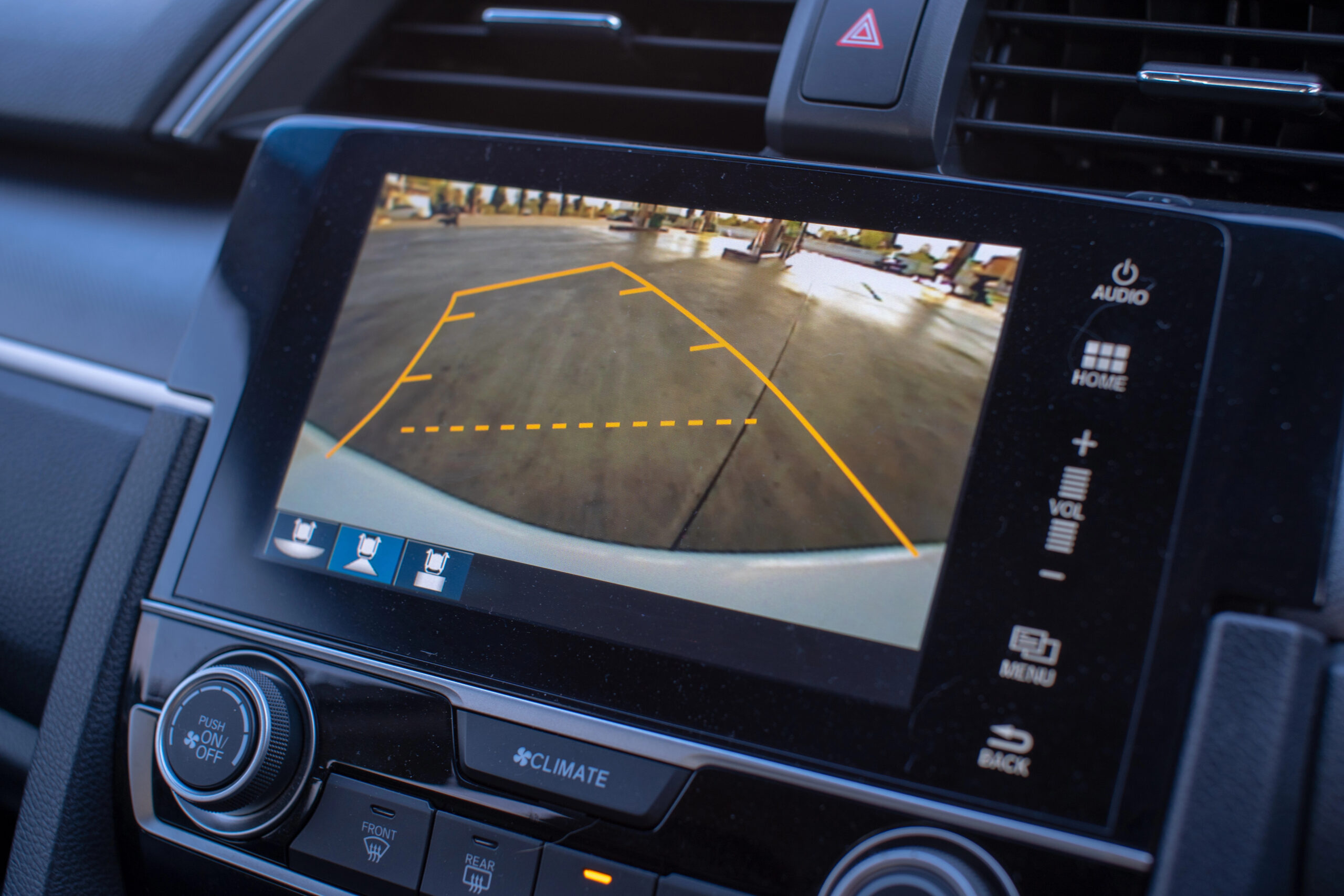
Imagine a backup camera that not only shows you what’s behind but overlays critical information directly onto the display. Augmented reality (AR) can enhance your driving experience by providing real-time data, like distance to nearby objects or highlighting potential hazards.
AR can make parking and reversing even safer. You could see the exact trajectory your car will take based on steering inputs, helping you avoid obstacles with pinpoint accuracy. This technology isn’t just about safety; it’s about making driving intuitive and stress-free. Wouldn’t you feel more confident with a system that tells you exactly where your car needs to be?
Improved Ai Assistance
Artificial Intelligence is set to play a pivotal role in enhancing backup camera technology. With AI, your vehicle can learn from past driving patterns to predict potential dangers before they occur.
Think about how AI could assist in identifying pedestrians or cyclists that enter your blind spot. It’s like having a vigilant co-driver who never tires. AI can also adjust the camera angles dynamically based on your driving environment, ensuring you always have the best view possible.
Have you ever wished your car could do more to help you park in tight spots? With improved AI assistance, it can become a reality. These advancements are not just futuristic fantasies—they’re within your grasp.
Credit: jerry.ai
Frequently Asked Questions
Why Do Cars Need A Backup Camera?
Backup cameras enhance safety by providing a clear view behind the vehicle. They help drivers avoid obstacles and prevent accidents when reversing. Many countries mandate them in new cars to reduce blind spots and improve overall road safety.
Are Backup Cameras Mandatory In All Cars?
In the U. S. , backup cameras are mandatory for new cars manufactured after May 2018. However, older vehicles are not required to have them. Other countries have similar regulations, but they vary. It’s always best to check local laws and regulations regarding backup cameras.
How Do Backup Cameras Improve Driving Safety?
Backup cameras provide a live video feed of the area behind the car. This reduces blind spots and helps drivers see obstacles, pedestrians, or other vehicles. They make parking and reversing safer, preventing potential accidents.
Can I Install A Backup Camera In An Old Car?
Yes, you can install a backup camera in an older car. Many aftermarket kits are available for easy installation. They vary in features, quality, and price, allowing you to choose one that fits your budget and needs.
Conclusion
Backup cameras enhance safety on the road. They help prevent accidents. Drivers see clearly behind their vehicles. This reduces blind spots. Parking becomes easier and less stressful. Many new cars include them. Older cars can get them installed. It’s a wise investment.
Safety should always come first. Drivers and pedestrians benefit from this technology. Considering a backup camera is smart. It ensures peace of mind. Drive confidently, knowing what’s behind you.