
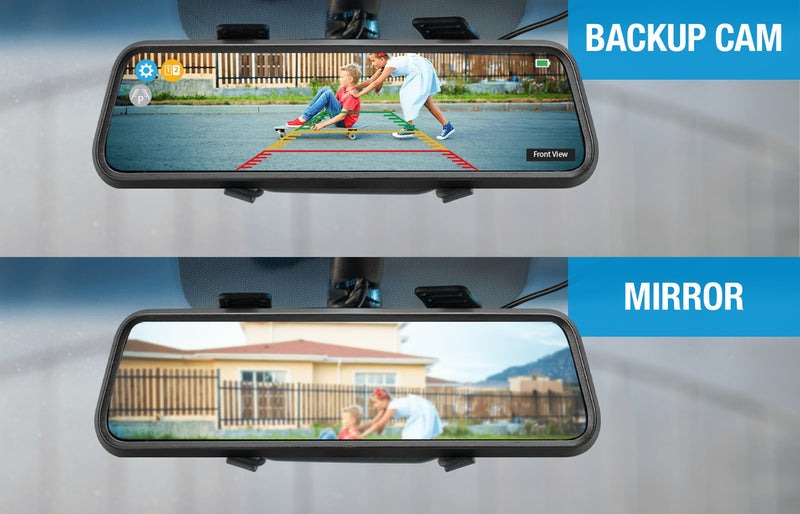
Imagine effortlessly reversing your car with a clear view of what’s behind you, avoiding potential mishaps with ease. As a driver, you know the importance of safety and convenience on the road.
Have you ever wondered if you can enhance your driving experience with a backup camera? You’re not alone. Many drivers are discovering the benefits of this technology, and you might be surprised at how simple it can be to get one installed.
Dive into this article to uncover how a backup camera could transform your driving experience and learn about the steps you can take to have it installed in your car. Your journey to safer driving starts here.

Credit: www.amazon.com
Benefits Of Backup Cameras
Installing a backup camera in your car enhances safety by providing a clear rear view, reducing blind spots. This simple addition can prevent accidents and make parking easier, offering peace of mind for drivers.
Backup cameras have become an essential feature in modern vehicles, offering numerous advantages that enhance driving safety and convenience. They provide a clear view of the area behind your car, helping you avoid potential hazards and making parking a breeze. Whether you’re navigating a crowded parking lot or backing out of your driveway, a backup camera can be your extra set of eyes, ensuring a safer driving experience.Enhanced Safety
Installing a backup camera significantly reduces the risk of accidents. It gives you a detailed view of blind spots that mirrors can’t cover. This added visibility can prevent mishaps, especially in areas with children or pets playing nearby.Improved Parking
Parking can be stressful, particularly in tight spots. Backup cameras make it easier by giving you a clear picture of what’s behind you. This precision can save you from costly fender benders and scratches.Increased Vehicle Value
A backup camera is not just a safety feature—it’s also a valuable addition to your car. It can boost your vehicle’s resale value, making it more attractive to future buyers. Consider it a small investment with long-term benefits.Convenience And Confidence
Do you ever feel anxious when reversing? A backup camera can alleviate this stress. It enhances your confidence by providing real-time feedback, helping you make more informed decisions while reversing.User-friendly Technology
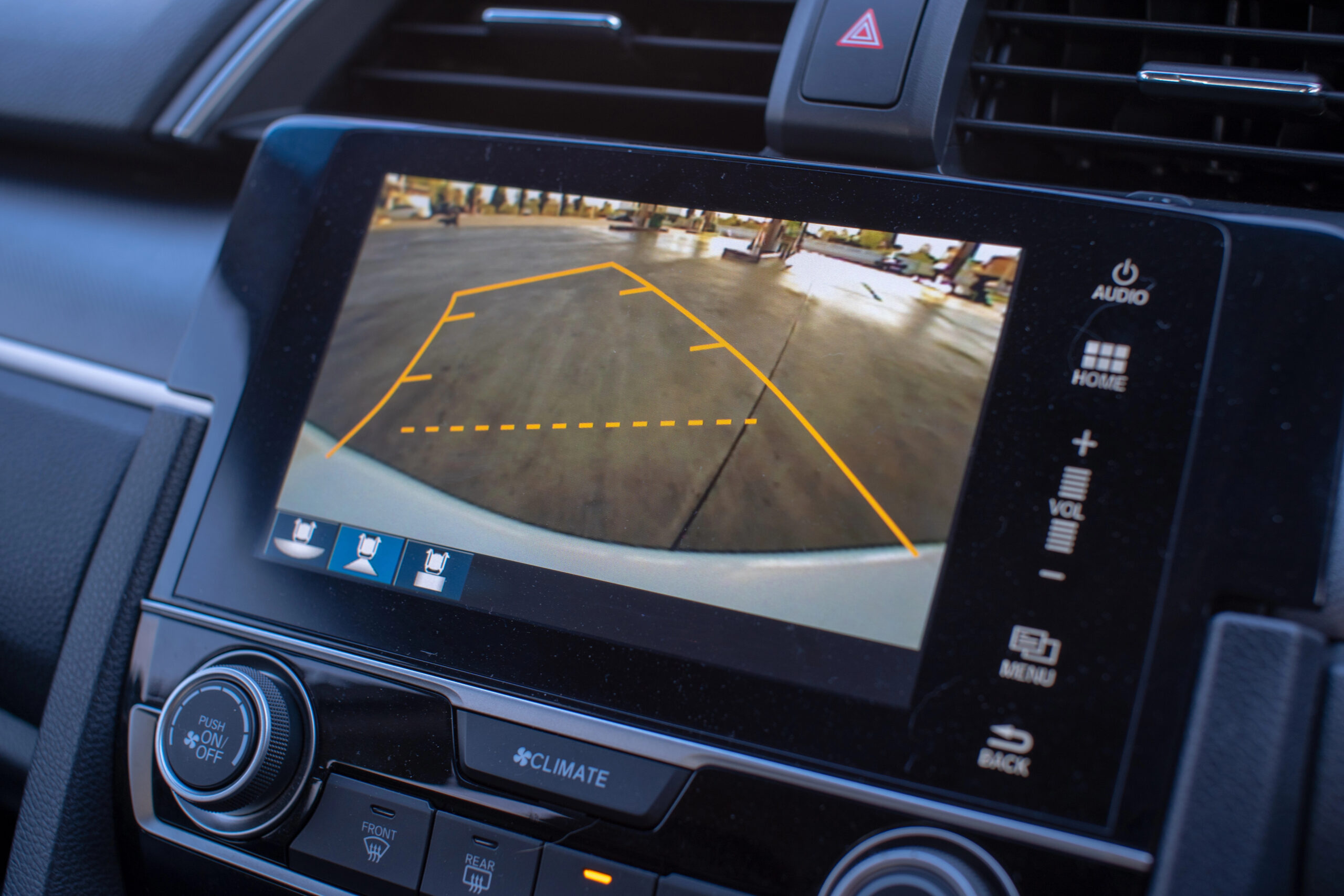
Modern backup cameras are easy to use, with intuitive interfaces that integrate seamlessly with your car’s existing systems. Most models display guidelines to assist with parking, making them accessible even for those who aren’t tech-savvy. Incorporating a backup camera into your car is more than just a tech upgrade; it’s a step towards safer and more convenient driving. Have you considered how this simple addition could transform your daily commutes?Types Of Backup Cameras
Backup cameras have become essential for modern vehicles. They offer safety and convenience. Understanding the types available can help you choose the best option for your car. Each type has its own benefits and installation requirements.
Wired Systems
Wired backup cameras connect directly to your vehicle’s display. They provide a reliable and stable image. Installation involves running wires from the camera to the monitor. This can require professional help. Wired systems are less prone to interference. They are ideal for those seeking consistent performance.
Wireless Systems
Wireless cameras transmit signals using radio frequencies. They eliminate the need for long cable runs. Installation is simpler and quicker. Wireless systems are suitable for DIY enthusiasts. They may experience occasional signal interference. This can affect image clarity. Consider the quality of the wireless system before purchase.
Built-in Oem Options
OEM cameras are factory-installed by car manufacturers. They integrate seamlessly with the vehicle’s system. These cameras offer high compatibility and easy use. They may come with features like grid lines and night vision. OEM options provide an elegant solution. They are often available in newer car models.
Compatibility With Your Vehicle
Thinking about adding a backup camera to your car? It’s wise to ensure compatibility. Not all vehicles are ready for new tech. Checking your car’s specifications is crucial. It helps to know the right camera for your ride.
Checking Vehicle Specifications
Start with your car’s manual. Look for camera installation info. Some cars have pre-installed wiring. Others need extra parts. Check the electrical system. Make sure it can handle new devices. Consider the dashboard space. Will the camera screen fit? Some screens need extra room. Verify the power source. Is it strong enough for a camera?
Aftermarket Options
If your car lacks built-in features, don’t worry. Aftermarket cameras can work well. Choose a camera that fits your budget. Look for reliable brands. They offer better quality and durability. Consider wireless options. They are easier to install. Check for kits with all needed parts. Some kits have screens and wiring. You might need professional help. Experts can ensure proper installation. This prevents future issues.
Credit: jerry.ai
Choosing The Right Camera
Choosing the right backup camera for your car is crucial. It ensures safety and enhances driving experience. Not all cameras are created equal. Some have better features that suit different needs. It’s important to consider various factors before making a decision. This section will guide you through key aspects to consider.
Field Of View
The field of view determines how much area you can see behind your car. Wider angles offer better visibility. They help you spot obstacles in blind spots. Look for cameras with at least 120-degree field of view. This ensures a comprehensive view while reversing.
Image Quality
Image quality affects how clearly you see objects. High resolution cameras provide sharper images. They help you identify small objects or distant obstacles. Choose a camera with HD resolution for clear visibility. This feature is essential for safe driving.
Night Vision Capabilities
Night vision is crucial for driving in low light conditions. Cameras with infrared LEDs improve visibility at night. They allow you to see clearly even in darkness. Ensure the camera has strong night vision capabilities. This feature ensures safety during night drives.
Installation Process
Installing a backup camera in your car is straightforward. Choose a compatible camera model, connect it to the power source, and mount it securely. Ensure proper alignment for optimal visibility and safety.
The installation process for a backup camera can vary. It depends on whether you choose professional help or take the DIY route. Both options offer unique benefits, catering to different needs and budgets. Understanding the steps involved can help you make an informed decision.Professional Installation
Professional installation ensures expertise and precision. Technicians are trained to handle various car models. They use advanced tools for seamless integration. This minimizes the risk of damaging your vehicle. Professional services often provide warranties. This can be reassuring for many car owners. The installation typically takes a few hours. Scheduling an appointment is usually straightforward.Diy Installation Tips
DIY installation offers flexibility and cost savings. Start by choosing a compatible camera system. Read the instructions thoroughly before proceeding. Gather necessary tools like screwdrivers and wire strippers. Disconnect the car battery for safety. Locate the best spot for mounting the camera. This is usually near the license plate. Secure it firmly to avoid vibrations. Connect the wiring to the display unit. Test the system to ensure functionality. Adjust the camera angle for optimal view.
Credit: www.youtube.com
Cost Considerations
Understanding the costs of installing a backup camera in your car is crucial. Various factors influence the total expense. These include the type of camera and the complexity of installation. Knowing these will help you budget effectively.
Price Range For Cameras
Backup cameras come in a wide price range. Basic models start at around $20 to $50. These are usually simple, wired systems with minimal features. Mid-range cameras cost between $50 and $150. They often offer better resolution and additional features like night vision.
High-end cameras can exceed $150. These models may include advanced features such as parking guides and wider viewing angles. Wireless options also fall into the higher price category.
Installation Costs
Professional installation is recommended for a seamless experience. Installation costs vary based on your car’s make and model. On average, expect to pay between $75 and $200 for professional services. This cost includes labor and expertise.
If you choose DIY installation, costs can be lower. However, it requires some technical skill and the right tools. Consider your comfort level with car electronics before opting for this route.
Troubleshooting Common Issues
Installing a backup camera in your car is possible. Ensure compatibility with your vehicle’s existing electrical system. Professional installation can prevent wiring issues, enhancing safety and convenience.
Installing a backup camera in your car can significantly enhance your driving experience, but like any tech addition, it may come with a few hiccups. Understanding how to troubleshoot common issues can save you time and frustration. Whether it’s a flickering screen or a fuzzy image, knowing what to look for can make all the difference.Signal Interference
Signal interference can cause your backup camera to display a distorted or interrupted feed. This often happens when other electronic devices in your car emit frequencies that interfere with your camera’s signal. To combat this, consider the placement of your camera and receiver. Ensure they are not too close to other wireless devices. Shielding cables and using high-quality connectors can also minimize interference. Think about turning off non-essential devices to see if the interference clears up. This simple test can help you pinpoint the culprit.Poor Image Quality
Poor image quality is a common issue that can frustrate many drivers. It might manifest as a blurry or dark image, making it hard to rely on the camera for safe reversing. First, check the camera lens for dirt or moisture. A quick clean can often resolve the problem. If the image remains poor, investigate the camera’s power supply. A weak power source can lead to subpar performance. Ensure your camera is connected to a stable power source to maintain a clear image. By addressing these common issues, you can ensure your backup camera functions at its best, providing you with peace of mind every time you reverse.Maintenance And Care
Installing a backup camera can enhance your driving safety. To keep it functioning smoothly, regular maintenance is essential. This ensures the camera provides clear images and reliable performance. Paying attention to maintenance and care can save you from costly repairs and provide peace of mind.
Cleaning The Lens
A clear lens is crucial for capturing accurate images. Dirt and grime can obscure the view, affecting safety. Clean the lens regularly with a soft cloth. Use a gentle cleaning solution to remove stubborn spots. Avoid using abrasive materials that might scratch the lens. Regular cleaning keeps the image sharp and clear.
Regular System Checks
Performing regular system checks ensures the camera works properly. Test the display to ensure images are visible and clear. Check for any wiring issues that might interrupt the signal. Inspect connections for signs of wear or corrosion. Regular checks help detect problems early, preventing bigger issues later.
Frequently Asked Questions
How Much Does It Cost To Install A Backup Camera?
The cost of installing a backup camera varies. It depends on the type and features of the camera. Basic models may cost around $100. More advanced systems can exceed $500. It’s advisable to consider installation fees, which can add to the overall expense.
Can Any Car Have A Backup Camera Installed?
Yes, most cars can have a backup camera installed. Older models may require additional components for compatibility. Professional installation is recommended for optimal performance. It’s important to check the camera’s compatibility with your vehicle before purchasing.
Do Backup Cameras Improve Driving Safety?
Yes, backup cameras significantly improve driving safety. They provide a clear view of what’s behind your vehicle. This reduces blind spots and prevents accidents. Backup cameras are particularly helpful in crowded areas and tight parking spaces. They enhance overall visibility, contributing to safer driving practices.
Is Professional Installation Necessary For Backup Cameras?
Professional installation is highly recommended for backup cameras. It ensures proper alignment and functionality. Experts can integrate the camera with your vehicle’s existing systems. This minimizes the risk of errors or malfunction. DIY installation might save costs but could compromise safety and effectiveness.
Conclusion
Getting a backup camera installed is smart. It boosts safety and convenience. Most cars can have one added easily. Professional installation ensures proper functioning. You gain a clearer view when reversing. Reducing blind spots helps avoid accidents. It’s worth considering for peace of mind.
Check local shops for installation options. Prices vary, so compare before deciding. A backup camera is a valuable upgrade for your vehicle. It makes driving safer for everyone. Consider it for your next vehicle improvement. Simple technology, big benefits!