
Have you ever wondered what really happens during a police chase or traffic stop? Imagine having a front-row seat to the action, seeing events unfold from the perspective of those who protect and serve.
If you’ve caught yourself pondering whether police cars have dash cams, you’re not alone. These tiny cameras can capture crucial moments, offering clarity, accountability, and sometimes, jaw-dropping footage. As you delve into this topic, consider the impact dash cams have on police work, public safety, and even courtroom drama.
The answers might surprise you and change the way you perceive law enforcement. Ready to discover more? Keep reading to explore the fascinating world of police dash cams and their role in modern policing.
History Of Dash Cams In Police Cars
Police cars began using dash cams in the 1980s for safety and evidence collection. These devices have evolved, offering clear video and audio recordings. Today, dash cams are essential in police work, enhancing accountability and transparency.
The history of dash cams in police cars is a fascinating journey that reflects the evolution of technology and law enforcement practices. This journey began with the simple need to document police interactions and has grown into a sophisticated tool that enhances transparency and accountability. As you explore this history, you’ll discover the pivotal moments that transformed dash cams from a novel idea into a standard feature in police vehicles.Early Beginnings Of Dash Cams
In the early days, dash cams were rare and not widely used. Initially, they were cumbersome and expensive, making them impractical for most police departments. Only a few forward-thinking law enforcement agencies invested in these early models, mainly to document traffic stops and evidence collection.Technological Advancements
With the advent of digital technology, dash cams became more affordable and compact. This led to a significant increase in adoption throughout the 1990s and 2000s. Departments began to see the value in having real-time documentation of police activities, which also helped in training and evaluating officers.Impact Of High-profile Cases
High-profile incidents in the 1990s and early 2000s underscored the importance of having objective video evidence. These events pushed more police departments to equip their vehicles with dash cams to ensure transparency. The footage often became crucial in court cases and public inquiries, highlighting the need for accountability in law enforcement.Integration With Other Technologies
Today, dash cams are part of a broader suite of technologies used by police. They are often integrated with body cams and GPS systems, providing a comprehensive view of police operations. This integration allows for better data management and more holistic oversight of police activities.The Role Of Public Perception
Public demand for transparency has been a driving force behind the widespread use of dash cams. As more people became aware of their potential to provide unbiased accounts of police encounters, the push for their adoption grew stronger. This public scrutiny has ensured that dash cams remain a critical tool for law enforcement agencies worldwide. Consider how these cameras have changed the landscape of law enforcement. Would incidents be perceived differently without video evidence? How might the evolution of dash cam technology continue to shape policing in the future? Your thoughts on these questions can provide valuable insight into the ongoing dialogue about law enforcement and technology.
Credit: www.youtube.com
Current Technology Used
Police cars equipped with dash cams utilize advanced technology to enhance safety and transparency. These cameras help capture events during patrols and provide reliable evidence in various situations. The tech used in these cameras has evolved significantly, making them more efficient and capable.
Video Quality And Storage
Modern dash cams offer high-definition video quality. This ensures clear footage, capturing fine details crucial for investigations. Cameras often record in 1080p or 4K resolution, allowing officers to review footage with precision. Storage solutions have also improved. Many systems use solid-state drives or cloud storage. These options ensure secure and ample space for video files, reducing the risk of data loss.
Integration With Other Systems
Dash cams are integrated with onboard computer systems. This allows synchronization with GPS and other vehicle data. Officers can access a comprehensive view of each patrol. Integration helps streamline operations and improves data management. The seamless connection between systems enhances the effectiveness of the technology in law enforcement.
Real-time Data Transmission
Real-time data transmission is a key feature of advanced dash cam systems. They can send live video feeds to command centers. This capability provides immediate situational awareness during critical incidents. The technology enables quick decision-making and support from remote teams. Real-time transmission helps maintain safety and coordination in challenging situations.
Benefits Of Dash Cams
Police cars often have dash cams to record traffic stops and incidents. These cameras help provide evidence and protect both officers and civilians. Dash cams in police vehicles also promote transparency and accountability during interactions.
The introduction of dash cams in police vehicles has become a game-changer for law enforcement agencies worldwide. These small, but powerful devices offer a range of benefits that enhance the daily operations of police officers. By providing an unbiased eye on the road, dash cams improve transparency and trust between the police and the communities they serve.Enhanced Accountability
Dash cams serve as an objective witness, capturing events as they unfold. This can lead to improved accountability for police officers, ensuring that their actions are in line with departmental policies and legal standards. Knowing that their actions are being recorded, officers may be more mindful of their behavior, which can foster public trust.Evidence Collection
The footage from dash cams can be crucial in criminal investigations and court proceedings. It provides clear, unbiased evidence that can corroborate police reports or contradict false claims. This can be particularly useful in resolving disputes and determining the facts of an incident quickly and effectively.Officer Safety
Dash cams also play a significant role in enhancing officer safety. In tense or dangerous situations, the presence of a dash cam can de-escalate potential conflicts, as individuals are aware their actions are being recorded. Additionally, in the unfortunate event of an officer being harmed, dash cam footage can provide vital details about the incident. Imagine being an officer knowing every detail of your interaction is recorded and can defend your actions. Isn’t that a comforting thought? What benefits do you think this technology could bring to your own community’s safety and trust?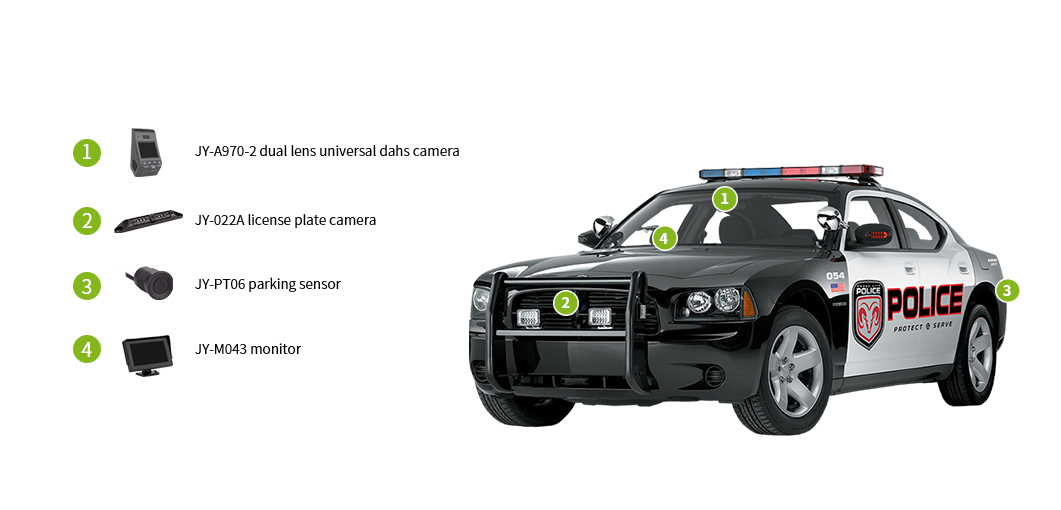
Credit: luview.com
Challenges And Concerns
Police cars equipped with dash cams face challenges like privacy concerns and data security issues. Balancing transparency with officer safety remains crucial. Potential misuse of footage and technical malfunctions are also significant concerns for law enforcement agencies.
Police cars equipped with dash cams are becoming more common, but they come with their own set of challenges and concerns. While these devices can enhance accountability and transparency, they also raise important issues that need careful consideration. Understanding these challenges is crucial for both law enforcement and the public.Privacy Issues
Privacy is a significant concern with the use of dash cams in police cars. These cameras often record continuously, capturing not only interactions between police and citizens but also incidental footage of bystanders. How do you feel about being recorded without your consent while walking down the street? The debate intensifies when considering the balance between public safety and individual privacy rights. It’s essential to establish clear policies about who has access to this footage and how it can be used.Data Management
Managing the vast amount of data generated by dash cams is another major challenge. Storage is not only expensive but also requires robust security measures to prevent unauthorized access. Can the current systems handle the sheer volume of data while ensuring data integrity? Efficient data retrieval systems are also crucial, especially in situations where footage is needed quickly for legal or administrative purposes. Maintaining a streamlined process can save time and resources.Cost Implications
The financial aspect of implementing dash cams in police vehicles cannot be overlooked. Initial costs include purchasing the equipment and installing it in each vehicle. But have you considered the ongoing expenses? Regular maintenance, data storage, and system upgrades can strain the budgets of smaller police departments. Finding a sustainable financial model is vital to ensure the long-term viability of dash cam usage. These challenges highlight the complexity of integrating dash cams into law enforcement. By addressing privacy concerns, managing data effectively, and considering cost implications, we can work towards a system that benefits everyone involved.Future Innovations
As technology continues to evolve at an unprecedented pace, the future of dash cams in police cars looks incredibly promising. These innovations are set to redefine how law enforcement agencies operate, ensuring safety, efficiency, and accountability. The integration of advanced technologies will not only enhance the capabilities of dash cams but also transform the way police work is conducted.
Ai And Analytics
Imagine a dash cam that can analyze video footage in real-time, identifying potential threats or anomalies without human intervention. AI-powered dash cams can offer predictive insights, helping officers anticipate situations before they escalate. This can be a game-changer in high-stress scenarios, providing officers with crucial information at the blink of an eye. How would it feel to know that your community is safer because of smarter policing?
Improved Connectivity
Enhanced connectivity will ensure that dash cams are not isolated devices but are part of a comprehensive network. With improved connectivity, data can be shared instantaneously between patrol cars and command centers, facilitating faster decision-making. You might wonder how this could change the landscape of law enforcement—imagine officers receiving real-time alerts about incidents happening miles away, enabling quicker responses.
Advanced Sensor Integration
Future dash cams will likely integrate with other vehicle sensors, providing a more holistic view of the surroundings. These sensors can detect environmental factors such as weather conditions or road hazards, giving officers a broader situational awareness. Think about the implications of a dash cam that not only records video but also senses changes in the environment to keep officers informed and ready for any situation.
Case Studies And Real-world Examples
Exploring the use of dash cams in police cars reveals insightful case studies and real-world examples. These cameras capture crucial evidence, aiding investigations and improving accountability. Many departments now rely on them for transparency and safety.
The use of dash cams in police vehicles has sparked significant interest and debate. These small yet powerful devices serve as crucial tools in capturing real-time events, offering transparency and accountability. But what do actual case studies and real-world examples tell us about their effectiveness and impact? Below, we delve into several instances where dash cams have played a pivotal role in law enforcement.Documenting High-speed Chases
Dash cams have proven indispensable during high-speed pursuits. In Los Angeles, a dash cam recorded a dramatic chase that ended in the arrest of a notorious car thief. The footage provided irrefutable evidence that supported the officers’ actions, ensuring a clear understanding of the incident. Such recordings help authorities review the events and improve future responses. They also offer the public a transparent view of police procedures, fostering trust.Exposing Misconduct
In some cases, dash cams have unveiled instances of police misconduct. A notable example occurred in Chicago, where footage contradicted an officer’s report, leading to disciplinary action. This case highlighted the importance of dash cams in holding officers accountable. The availability of such evidence protects both the public and law enforcement, ensuring that justice is served fairly. It encourages officers to adhere to protocol, knowing they are being watched.Supporting Officers In Legal Proceedings
Dash cam footage often serves as crucial evidence in courtrooms. Consider a case in Texas where an officer was falsely accused of using excessive force. The dash cam video exonerated the officer, clearly showing the suspect’s aggressive behavior. This protection extends to officers who may otherwise face unwarranted scrutiny. It acts as an impartial witness, providing a factual account that can be relied upon in legal situations.Enhancing Training Programs
Police departments use dash cam footage to enhance training programs. In New York, real-world scenarios captured on camera are used to train new recruits. This practical approach helps officers prepare for situations they might encounter in the field. It’s a way to learn from past events and improve future practices. Officers can analyze their responses to various situations, learning what works and what doesn’t. In what other ways do you think dash cams could be useful in policing? As technology evolves, the role of these devices may continue to expand, offering even more benefits to law enforcement and the communities they serve.
Credit: luview.com
Frequently Asked Questions
Do All Police Cars Have Dash Cams?
Not all police cars have dash cams. While many departments have adopted them for accountability, budget constraints can limit availability. Dash cams are crucial for recording interactions, ensuring transparency, and providing evidence. Their presence varies by region and department policy, aiming to enhance public trust and officer safety.
How Do Dash Cams Benefit Police Officers?
Dash cams benefit police officers by providing objective evidence during incidents. They help in corroborating police reports, protecting officers from false claims, and enhancing transparency. Additionally, they aid in training by reviewing footage for performance improvement. Overall, dash cams are vital for accountability and building public trust.
Are Dash Cam Recordings Public Records?
Dash cam recordings are often considered public records, but access varies by jurisdiction. Some states have specific laws governing their release, balancing transparency with privacy concerns. Typically, recordings can be requested through public records requests. However, certain situations may exempt them from being disclosed to the public.
How Long Do Police Keep Dash Cam Footage?
The retention period for dash cam footage varies by department policy and legal requirements. Generally, footage is retained for a period ranging from 30 days to several years. Critical incidents may warrant longer retention. Retention policies aim to balance storage costs with the need for accountability and evidence preservation.
Conclusion
Police cars often have dash cams. These devices record crucial footage. They enhance transparency and accountability. Dash cams help in legal cases too. Officers can review incidents accurately. This technology supports public trust. Not all police cars have them, though.
Budget constraints can limit availability. But, more departments are adopting dash cams. Technology keeps improving. This leads to better safety measures. Communities benefit from these advancements. Understanding dash cams’ role is important. It highlights their value in law enforcement. As more police cars get dash cams, transparency improves.
This fosters trust between police and the public.