
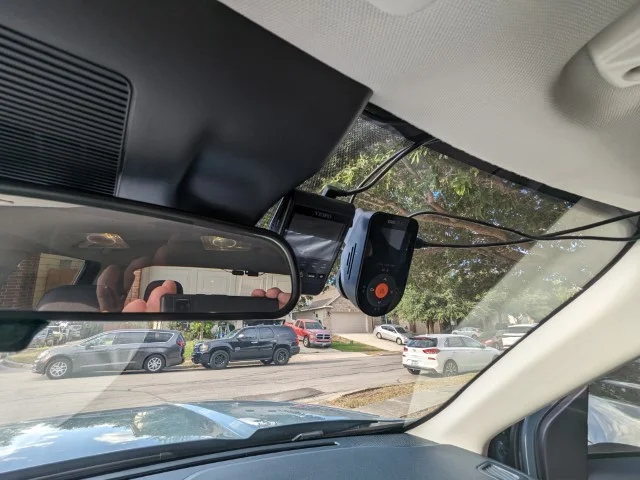
Imagine driving down the road, feeling confident and secure because you know every moment is being recorded. You might be wondering, “Can I run two separate dash cams in my car?”
Well, you’re not alone in this curiosity. Many drivers are exploring the benefits of having dual perspectives on their daily drives. Picture this: enhanced safety, indisputable evidence in case of incidents, and peace of mind knowing every angle is covered.
By the end of this article, you’ll discover how two dash cams can transform your driving experience. So, let’s dive in and see how you can upgrade your car’s surveillance system, ensuring you are always prepared for the unexpected. Whether you’re a tech enthusiast or simply looking to boost your car’s security, this guide is for you.

Credit: www.engadget.com
Benefits Of Dual Dash Cams
Having dual dash cams in your car offers many advantages. They enhance safety, provide evidence, and protect against false claims. With two cameras, you get a comprehensive view of your vehicle’s surroundings.
Improved Evidence Collection
Dual dash cams record both the front and rear of your car. This ensures all incidents are captured from multiple angles. It provides valuable evidence during accidents or disputes. The footage can help in insurance claims or legal matters.
Enhanced Security
Dual dash cams deter theft and vandalism. Visible cameras make potential thieves think twice. They also record suspicious activity around your car. This offers peace of mind when parked in unfamiliar areas.
Accurate Incident Recording
With two cameras, you capture more details. This includes license plates, road signs, and traffic signals. Accurate recordings help in understanding the sequence of events. They can clarify who is at fault in an accident.
Driver Behavior Monitoring
Dual dash cams can monitor driver behavior. They capture sudden stops, sharp turns, or speeding. This is useful for parents with teen drivers. It encourages responsible driving habits.
Insurance Premium Benefits
Some insurers offer discounts for vehicles with dash cams. Dual dash cams can further enhance this benefit. The presence of cameras reduces the risk of fraudulent claims. This can lower insurance costs over time.
Travel Documentation
Dual dash cams capture scenic drives and road trips. They record memorable journeys for sharing or personal archives. The footage can serve as a visual diary of your travels. This adds a fun element to having dash cams.
Installation Process
Installing two separate dash cams in your car might seem like a complex task, but with the right approach, it can be straightforward and rewarding. Imagine capturing every angle of your drive, offering a comprehensive view that enhances safety and accountability. Whether you’re a seasoned DIY enthusiast or new to car gadgets, understanding the process is key to a smooth installation.
Choosing The Right Cameras
Your journey begins with selecting the ideal dash cams. Consider factors like video quality, storage capacity, and additional features such as GPS tracking or night vision. Opt for cameras that offer high-definition footage to capture crucial details. Think about your needs—do you want front and rear coverage, or perhaps side views as well? This choice will guide the rest of your installation process.
Wiring And Power Options
Powering your dash cams can be achieved through various methods. Most devices come with a cigarette lighter adapter, but hardwiring them into your car’s fuse box might be more permanent and cleaner. The latter provides continuous power, ensuring cameras operate while parked. Be sure to use quality wiring to avoid connection issues. Consider using a fuse tap for a seamless and safe installation.
Positioning For Optimal Coverage
Once your cameras are powered, positioning them correctly is crucial. Mount the front camera high on the windshield for a clear view of the road. Place the rear camera on the back window for comprehensive rear coverage. Make adjustments to minimize blind spots, ensuring you capture all necessary angles. Test the coverage before finalizing the setup to ensure clarity and optimal performance.
Does having two dash cams in your vehicle make you feel more secure, or does it seem like too much tech? Share your thoughts and experiences in the comments below. Your insights could help others make informed decisions!
Compatibility Considerations
Running two separate dash cams in your car can enhance safety. It requires careful planning for compatibility. Ensuring that both devices work seamlessly is crucial. Let’s explore the key considerations for compatibility.
Vehicle Power Supply
Your car’s power supply must support two dash cams. Check your car’s voltage capacity. Most dash cams run on a 12V power supply. Using a dual USB car charger can help. It allows you to power both cams simultaneously. Ensure the charger provides enough amperage for both devices.
Memory And Storage Needs
Dash cams record continuously, so storage is vital. Each dash cam will need its own memory card. Choose high-capacity cards for longer recording times. Check the maximum card size supported by each cam. Consider using cards with fast write speeds. This ensures smooth recording without lag.
Legal Implications
Installing two separate dash cams in your car is generally legal. Ensure they do not obstruct your view while driving. Privacy laws require informing passengers about recording.
Running two separate dash cams in your car can bring peace of mind and added security. Yet, understanding the legal implications is crucial. Laws vary across regions, affecting how and where you can record. Let’s delve into the legal aspects to consider.Privacy Laws
Privacy laws differ by country and state. Some regions restrict recording inside vehicles. You might need to inform passengers they’re being recorded. This ensures compliance and avoids potential fines. Always check local laws before installing dash cams.Recording Permissions
Recording permissions are essential. Public spaces usually allow recording. Private properties might require consent. It’s important to respect people’s privacy. Obtaining permission can prevent legal issues. Always prioritize ethical recording practices.Cost Analysis
Running two separate dash cams in your car might seem expensive. Examining the costs involved can help you make an informed decision. Let’s explore the initial investment and ongoing maintenance costs.
Initial Investment
Buying two dash cams requires a larger budget upfront. Consider the features you need. High-resolution cameras and GPS tracking are pricier. Prices can range from $50 to $300 per device. You might also need additional mounts or cables. These accessories can add to the initial cost.
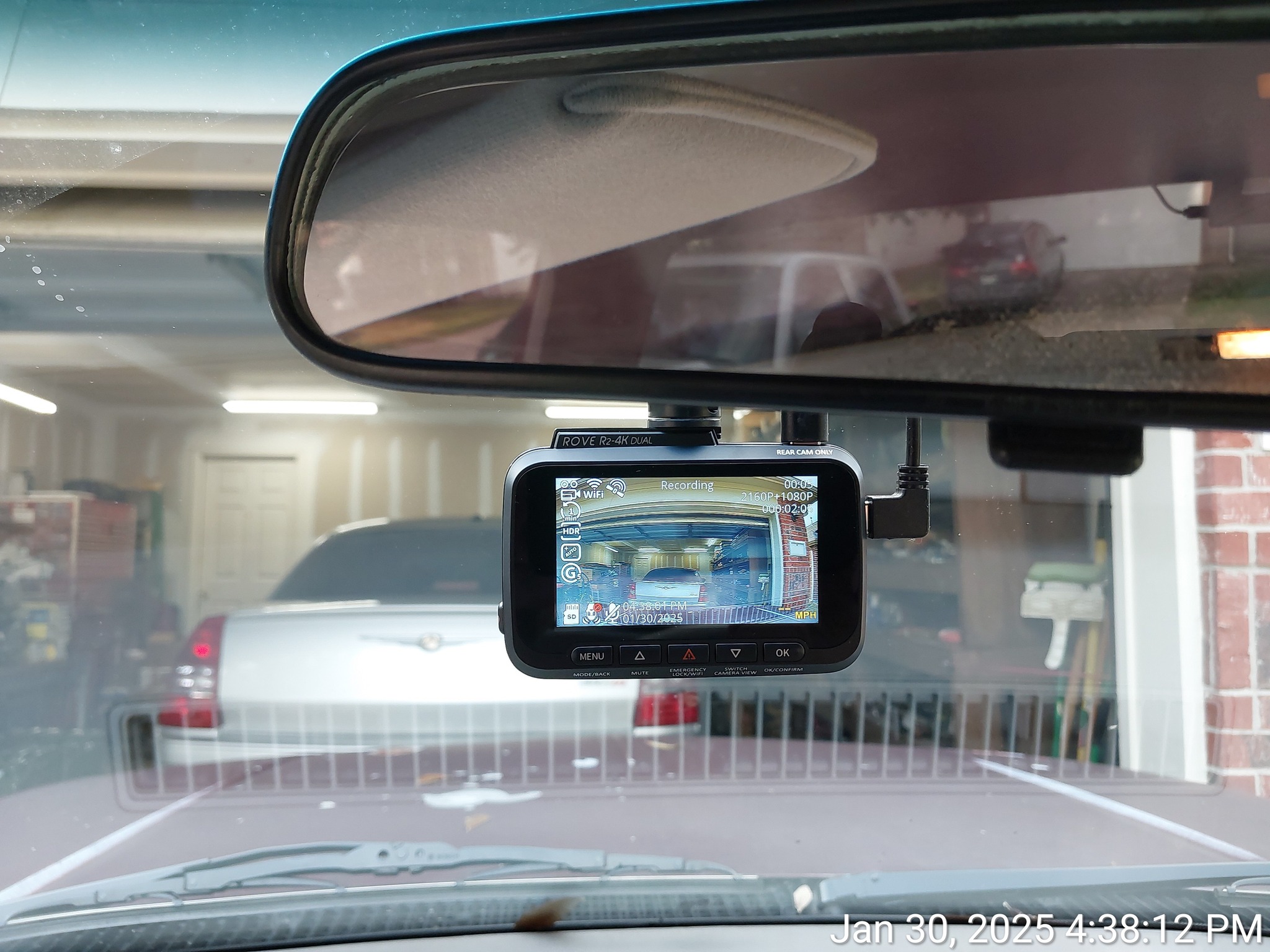
Think about storage devices for video footage. Larger memory cards increase costs but offer more recording space. You may also want to invest in a dual-channel system. This can be more economical than buying two separate units.
Maintenance And Upkeep
Maintenance costs are another factor to consider. Regular cleaning is essential for clear footage. Dust and dirt can blur the camera lens. You might need to replace accessories over time. Cables and mounts can wear out.
Software updates are crucial for optimal performance. Some dash cams require subscription fees for cloud storage. This can add to your ongoing costs. Consider battery life as well. You may need replacements if the battery drains quickly.
Credit: www.facebook.com
Enhancing Safety Features
Installing two separate dash cams in your car can enhance safety significantly. These devices provide valuable visual records of your surroundings. They can be crucial in various situations. Safety is a top priority for every driver. Using dual dash cams adds an extra layer of protection on the road.
Accident Evidence Collection
Dash cams are crucial for recording accident scenes. They capture real-time footage that can be used as evidence. This footage can help clarify fault in accidents. Insurance companies often rely on such evidence. It can speed up claims and avoid disputes. Having two dash cams ensures comprehensive coverage. You get a front and rear view, leaving no blind spots in evidence collection. This can be vital in hit-and-run cases.
Monitoring Blind Spots
Blind spots are a common cause of accidents. Dual dash cams help monitor these areas effectively. The rear cam captures activity behind the vehicle. This aids in safer lane changes and reversing. The front cam provides a clear view of the road ahead. This dual setup helps in avoiding potential collisions. It also enhances overall driving awareness. Having these cameras provides peace of mind on busy roads.
Potential Challenges
Running two separate dash cams in a car may lead to wiring complexities and power source limitations. Compatibility issues between devices can also arise, affecting performance.
Setting up two separate dash cams in your car might sound like a straightforward task, but it’s not without its challenges. While the idea promises enhanced coverage and security, potential hiccups may arise. Understanding these can save you time and frustration.Technical Difficulties
Installing two dash cams can complicate your car’s electronics. The wiring might become cumbersome, leading to tangled cords and power drain issues. This can affect your car battery, especially if both cameras are continuously recording. Compatibility is another concern. Not all dash cams work well together, leading to interference or reduced functionality. It’s crucial to check if the cameras you choose can coexist without causing glitches.User Error And Misuse
Human error is an inevitable factor. Incorrect installation can lead to poor footage quality or even camera failure. You might misplace the cameras, resulting in blind spots instead of comprehensive coverage. Maintenance can be overlooked. Regularly checking the dash cams for updates and ensuring they function correctly is essential. Are you prepared to manage two devices regularly? Having two dash cams means double the data management. Are you ready to handle the storage and retrieval of footage from multiple sources? Neglecting this can lead to missed evidence or data loss when you need it most.
Credit: www.vantrue.com
Frequently Asked Questions
Can I Install Two Dash Cams In One Car?
Yes, you can install two dash cams in a single car. This setup offers comprehensive coverage and enhanced security. Ensure both devices are compatible and properly mounted. Use separate power sources or a multi-port adapter for efficient operation.
Do I Need Separate Power Sources For Dash Cams?
Using separate power sources is advisable for two dash cams. This prevents power conflicts and ensures optimal performance. You can use a multi-port adapter if needed. Make sure your car’s electrical system can support both devices without issues.
Will Two Dash Cams Interfere With Each Other?
Dash cams generally won’t interfere with each other if properly installed. Ensure they are compatible and avoid overlapping Wi-Fi frequencies. Proper placement and separate power sources help maintain efficient operation. Consult your dash cam manuals for specific installation guidelines.
Is It Legal To Use Two Dash Cams In A Car?
Using two dash cams is legal in most regions. However, ensure you comply with local laws regarding recording devices. Consider privacy regulations and avoid capturing footage that infringes on others’ rights. Consult local authorities for detailed legal advice.
Conclusion
Running two separate dash cams in your car is possible. It offers extra security and evidence. Installation is straightforward with the right guidance. Choose dash cams that fit your needs and budget. Ensure they have good recording quality. Remember, having two cameras covers more angles.
This can be useful in case of accidents. Regular maintenance keeps them running smoothly. Always check local laws about dash cam usage. Safety should be your top priority. With the right setup, you drive with peace of mind.