
Imagine the convenience of never craning your neck awkwardly while reversing your car. Backup cameras have revolutionized the way you park and navigate tight spots, offering a clearer view and enhanced safety.
But when did these handy devices first appear in cars? If you’ve ever wondered about the origins of backup cameras and how they’ve become essential features in modern vehicles, you’re in the right place. You’ll discover the fascinating timeline of backup cameras, understand their impact on driving experiences, and learn how they became a staple in automotive design.
Prepare to dive into the world of automotive innovation and find out why backup cameras are more than just a luxury—they’re a necessity. Keep reading to uncover the story behind this game-changing technology and how it can transform your driving journey.
Credit: www.thecarmomofficial.com
Early Innovations In Car Safety
Backup cameras became standard in vehicles in 2018. They help drivers see behind their cars, reducing accidents. Early innovations in car safety paved the way for these essential features.
Early innovations in car safety have shaped the way we drive today. These advances have not only protected drivers and passengers but have also made driving a more enjoyable experience. As technology evolved, so did the features that were designed to keep us safe on the road.Understanding The Need For Backup Cameras
Before backup cameras became standard, reversing a car was a challenging task. Drivers relied solely on rearview mirrors and turning their heads to check blind spots. This often resulted in accidents, especially in tight parking spaces or crowded areas.The Introduction Of Rearview Monitors
In the late 1990s, manufacturers began experimenting with rearview monitors. These early systems were basic but revolutionary, offering a glimpse into what the future held for vehicle safety. The monitors were initially introduced in luxury vehicles, gradually making their way into more mainstream models.Technological Challenges And Breakthroughs
Developing reliable backup cameras came with its own set of challenges. Engineers had to ensure that cameras functioned well in all weather conditions and lighting environments. Overcoming these hurdles led to clearer images, wider angles, and improved reliability, making backup cameras a must-have safety feature.Regulations And Mandates
In 2014, the National Highway Traffic Safety Administration (NHTSA) issued a mandate that required all new vehicles in the U.S. to include backup cameras by 2018. This regulation highlighted the importance of these devices in reducing accidents. It also spurred further innovations in car safety technology.Your Experience With Modern Safety Features
Have you ever driven a car with a backup camera? If so, you’ve likely experienced the ease and confidence it brings to parking and reversing. Safety features like these are no longer just luxuries—they’re essential tools that enhance your driving experience. As you navigate the roads, remember the small innovations that make a big difference in keeping you safe.The Birth Of Backup Cameras
Backup cameras first appeared in cars in the early 2000s. These cameras quickly became popular for enhancing driver safety and convenience. By 2018, they were required in all new vehicles sold in the United States.
The concept of backup cameras emerged from a need for safety. As cars grew larger, blind spots increased. Drivers struggled to see behind their vehicles. This led to accidents, often involving children or obstacles. The auto industry sought solutions to this pressing issue. Engineers explored technology to improve rear visibility. This quest marked the birth of backup cameras.The Technological Leap
Early cameras were simple and bulky. They offered basic visuals to drivers. Engineers refined these designs over time. They introduced compact versions with clearer images. This technological leap enhanced driving safety significantly.First Commercial Use
Backup cameras first appeared in luxury cars. These models showcased innovation and cutting-edge features. The cameras provided a glimpse into the future of driving. They soon gained popularity across various car segments.Regulatory Changes And Adoption
Safety regulators recognized the importance of backup cameras. They introduced guidelines for their widespread adoption. By 2018, new cars had to include this feature. This mandate aimed to reduce backup-related accidents.Impact On Modern Vehicles
Backup cameras are now standard in most vehicles. They offer drivers enhanced safety and convenience. This technology has transformed driving habits. Drivers rely on cameras for safer navigation in reverse.The 1990s: Concept Cars And Prototypes
The 1990s marked a pivotal time for automotive innovation. Car manufacturers explored new technologies, setting the stage for modern features. Among these innovations were backup cameras. These started as concepts and prototypes, hinting at the future of vehicle safety.
Innovative Designs
Concept cars in the 1990s showcased creative backup camera designs. Designers sought to integrate cameras with existing vehicle systems. They experimented with various placements and camera types. This era was about testing boundaries and pushing technological limits.
Manufacturers aimed to enhance driver visibility and safety. Backup cameras were part of a broader push for advanced driver aids. These designs were often ahead of their time, not yet ready for mass production.
Early Implementations
Initial backup camera systems were basic and experimental. Automakers installed these in limited vehicles for testing purposes. The goal was to understand their practical benefits and challenges. Early systems lacked the sophistication of today’s models.
These early implementations were crucial for future developments. They provided valuable insights into camera technology and integration. Feedback from these tests guided improvements in later years.
First Commercial Launch
The first commercial launch of backup cameras marked a pivotal moment. These devices began appearing in vehicles during the early 2000s. They were introduced to enhance driver safety and convenience. Over time, backup cameras became standard in many vehicles.
Luxury Vehicles Leading The Way
Luxury vehicles were the pioneers in adopting backup cameras. Brands like Lexus and Infiniti integrated these technologies early. These companies focused on providing high-end features for their customers. Backup cameras soon became a key selling point for luxury cars. Drivers appreciated the added safety and ease of parking.
Consumer Reactions
Consumer reactions to backup cameras were overwhelmingly positive. Many drivers felt more confident behind the wheel. They enjoyed the improved visibility while reversing. Backup cameras reduced the stress of parking in tight spaces. Over time, these devices gained popularity among everyday drivers. People began to see them as essential features in modern cars.
Technological Advancements In The 2000s
The 2000s marked a significant era in automotive technology. Cars began to integrate advanced features, enhancing driver safety and convenience. Backup cameras emerged as pivotal innovations during this time, transforming the way drivers navigated parking and tight spaces. These cameras, initially a luxury, slowly became essential elements in car design.
Wider Adoption
By the mid-2000s, backup cameras gained wider acceptance among car manufacturers. Initially appearing in luxury models, they quickly spread to more affordable vehicles. Drivers appreciated the added safety and ease of use. This led to increased demand and widespread production.
In 2007, the National Highway Traffic Safety Administration (NHTSA) proposed regulations. These required backup cameras in new cars by 2018. Automakers responded by integrating cameras into more models. As a result, backup cameras became standard features in many cars.
Improvements In Camera Quality
Early backup cameras offered basic functionality. Over time, technology advanced, improving camera resolution and reliability. Manufacturers developed high-definition cameras, providing clearer images. This enhanced visibility in various lighting conditions.
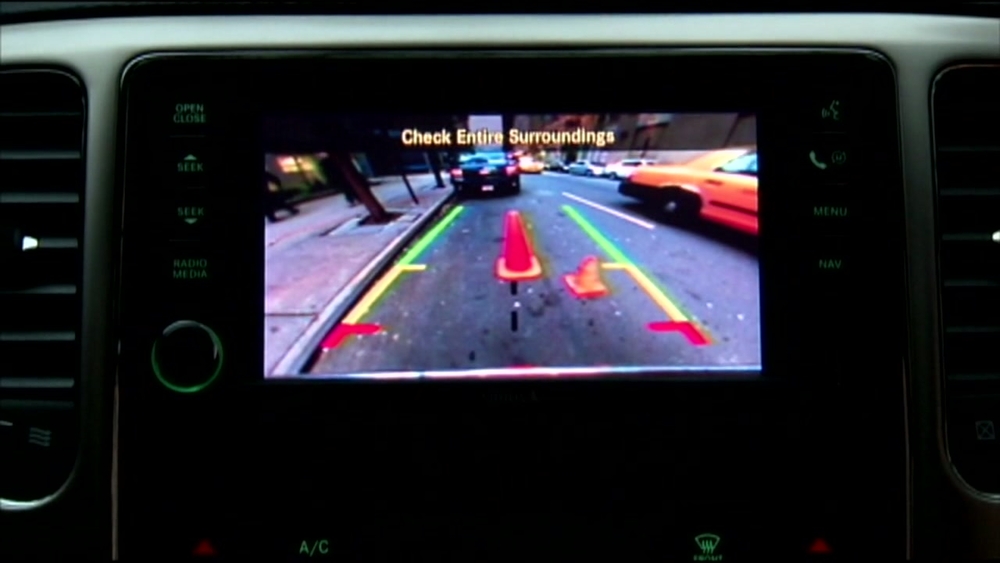
Modern cameras feature wide-angle lenses. These cover larger areas behind vehicles, reducing blind spots. Some systems include dynamic guidelines, assisting drivers in judging distances more accurately. These improvements made reversing safer and more intuitive.
Credit: abc13.com
Regulatory Influence And Mandates
Backup cameras in cars were not always common. Regulatory influence played a big role in making them standard. Governments saw the need to reduce accidents. They stepped in with mandates. These rules changed how manufacturers designed vehicles.
Government Regulations
The U.S. government took a significant step in 2008. Congress passed the Cameron Gulbransen Kids Transportation Safety Act. This act required the Department of Transportation to set new safety standards. Backup cameras became part of these standards. The goal was to prevent accidents, especially those involving children. The rule required all new cars to have backup cameras by May 2018. This regulation marked a turning point in vehicle safety features.
Impact On Manufacturers
Car manufacturers had to adapt quickly. They faced new challenges in meeting the mandate. It required redesigning vehicle models to integrate the technology. This meant an increase in production costs. Yet, the benefits outweighed the costs. Manufacturers realized the safety and marketing value. They started promoting backup cameras as a standard feature. This shift also encouraged innovation in camera technology. As a result, consumers enjoyed enhanced vehicle safety and convenience.
Modern Backup Camera Features
Modern backup cameras have evolved far beyond their initial purpose of providing a clear view of what’s behind your vehicle. Today, they’re loaded with features that make reversing safer and more intuitive. From integrating with other systems to smart technology, these innovations ensure you not only see obstacles but also understand how to navigate around them.
Integration With Other Systems
Backup cameras now seamlessly integrate with a vehicle’s infotainment system, giving you a unified experience. Imagine reversing while your favorite song plays and the GPS continues to guide you to your destination. This integration means you have all the information you need right at your fingertips without switching between screens.
Additionally, some systems link with parking sensors, offering a comprehensive view that combines visual and auditory feedback. This ensures you never miss a potential hazard, even in the busiest parking lots. Have you ever experienced the relief of visual alerts aligning with those beeping sensors?
Smart Technology
Smart technology in backup cameras has transformed the way we reverse our vehicles. Features like predictive path lines show you the trajectory of your car, helping you steer accurately. This makes tight parking spaces less daunting, even for new drivers.
Some cameras come equipped with night vision, which is a game-changer for those late-night errands or early morning commutes. Have you noticed how these features enhance your confidence when driving in low-light conditions? The clarity and precision they offer can truly redefine your driving experience.

Credit: www.thecarmomofficial.com
Impact On Vehicle Safety
Backup cameras have become a pivotal feature in modern vehicles, dramatically enhancing safety standards. The introduction of these cameras marked a significant shift in how drivers perceive their surroundings while reversing. Their impact on vehicle safety is undeniable, offering drivers a clear view of blind spots and reducing the risk of accidents.
Accident Reduction
With backup cameras, the likelihood of fender benders and tragic accidents has significantly decreased. These cameras provide a real-time view of what’s behind the car, helping drivers avoid obstacles that might be missed through mirrors alone. A study revealed that vehicles equipped with backup cameras have a notable reduction in backover incidents. This technology empowers drivers to make informed decisions, preventing potential collisions.
Think about the times you’ve backed out of a crowded parking lot. How many times did you worry about hitting a low object or a pedestrian? Backup cameras remove that uncertainty, allowing you to reverse with confidence. Have you noticed fewer scratches or dents since you started using one?
Consumer Confidence
Backup cameras have also bolstered consumer confidence in vehicle purchases. Buyers now seek cars with advanced safety features as a standard expectation. Knowing that a vehicle is equipped with a backup camera often influences purchasing decisions positively. It’s not just about seeing behind; it’s about the peace of mind that comes with it.
Consider how much easier it is to park in tight spaces with a backup camera. The added visibility reduces stress and enhances the driving experience. When you shop for a new car, do you prioritize safety features like backup cameras? This preference highlights how crucial such technology has become in everyday driving.
Future Trends In Backup Camera Technology
As technology continues to evolve, so does the functionality of backup cameras in cars. You might wonder, where is this technology headed? The future trends in backup camera technology promise exciting advancements that will enhance your driving experience and improve safety. It’s not just about seeing what’s behind your vehicle anymore; it’s about integrating smarter, more intuitive systems that assist you in various driving situations.
Enhanced Features
Backup cameras are becoming more sophisticated with features like 360-degree views and dynamic guidelines. Imagine being able to see a bird’s-eye view of your car and its surroundings, making parking in tight spots a breeze. Dynamic guidelines can adjust based on your steering angle, providing real-time assistance for better maneuverability.
Another enhancement is night vision capability, utilizing infrared technology to give you clear visibility even in the darkest conditions. This can be a game-changer for nighttime driving, significantly reducing the risk of accidents.
Potential Innovations
What if backup cameras could predict potential collisions before they happen? Advanced sensors and AI could analyze the surroundings and alert you of any impending danger. This could transform your driving experience, offering peace of mind with every reverse.
Additionally, integration with augmented reality (AR) could overlay crucial information directly onto your display. Imagine seeing parking lines or obstacle warnings superimposed on your camera feed, making navigation intuitive and effortless.
Consider how these innovations might change the way you approach driving. Would you feel more confident in unfamiliar environments? Enhanced camera technology offers not just convenience, but a promise of greater safety for you and your passengers.
Frequently Asked Questions
When Did Backup Cameras Become Mandatory In Cars?
Backup cameras became mandatory in the United States for new cars in May 2018. This rule aimed to enhance safety by reducing backup accidents. The regulation applies to all new passenger vehicles, including trucks, buses, and vans, ensuring improved rear visibility for drivers.
Which Car First Featured A Backup Camera?
The first car to feature a backup camera was the 1991 Toyota Soarer in Japan. This innovation provided drivers with improved rear visibility, enhancing safety. It set the stage for future advancements in automotive technology, eventually leading to widespread adoption across various car models.
How Do Backup Cameras Improve Driving Safety?
Backup cameras improve driving safety by providing a clear view of the area behind the vehicle. They help drivers detect obstacles, pedestrians, and other vehicles, reducing the risk of accidents. This technology enhances parking accuracy and overall driving confidence, especially in tight spaces.
Are Backup Cameras Available In All Car Models?
Most modern car models come equipped with backup cameras as standard or optional features. Manufacturers recognize the importance of safety technology, making it widely accessible. However, older or budget models might not have them, but aftermarket options are available for installation.
Conclusion
Backup cameras became standard in vehicles over time. They enhance safety significantly. Drivers now have better visibility when reversing. This reduces accidents, especially in crowded areas. Early adoption was seen in luxury cars. Then, more brands included them in their models.
By 2018, many cars had these cameras. They help drivers avoid obstacles and protect pedestrians. Today, backup cameras are common and trusted tools. They offer peace of mind to drivers everywhere. As technology advances, safety features like these will continue to evolve.
This ensures safer roads for everyone.