
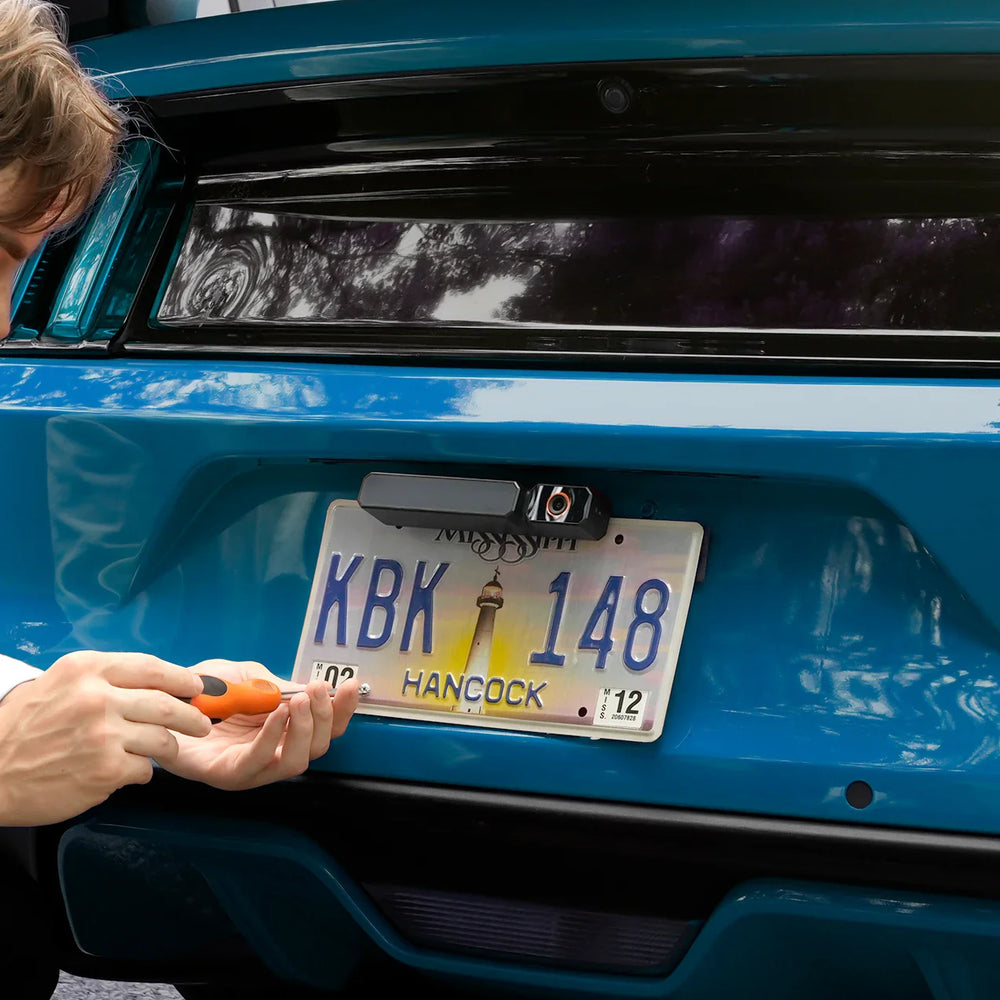
Have you ever wondered why backup cameras seem to be everywhere in new cars? You’re not alone.
As you navigate through the car-buying process, it’s crucial to understand what’s required and what’s optional. Backup cameras have become more than just a fancy add-on; they’re now a staple in modern vehicles. But are they really mandatory in every new car you see on the lot?
This question might be the key to making an informed decision and ensuring your safety on the road. Dive into this article to uncover the truth behind backup camera requirements, and discover how this small piece of technology could make a big impact on your driving experience. Are you ready to find out if your next car needs this essential safety feature? Keep reading to explore the facts and uncover insights that could save you from unexpected surprises.
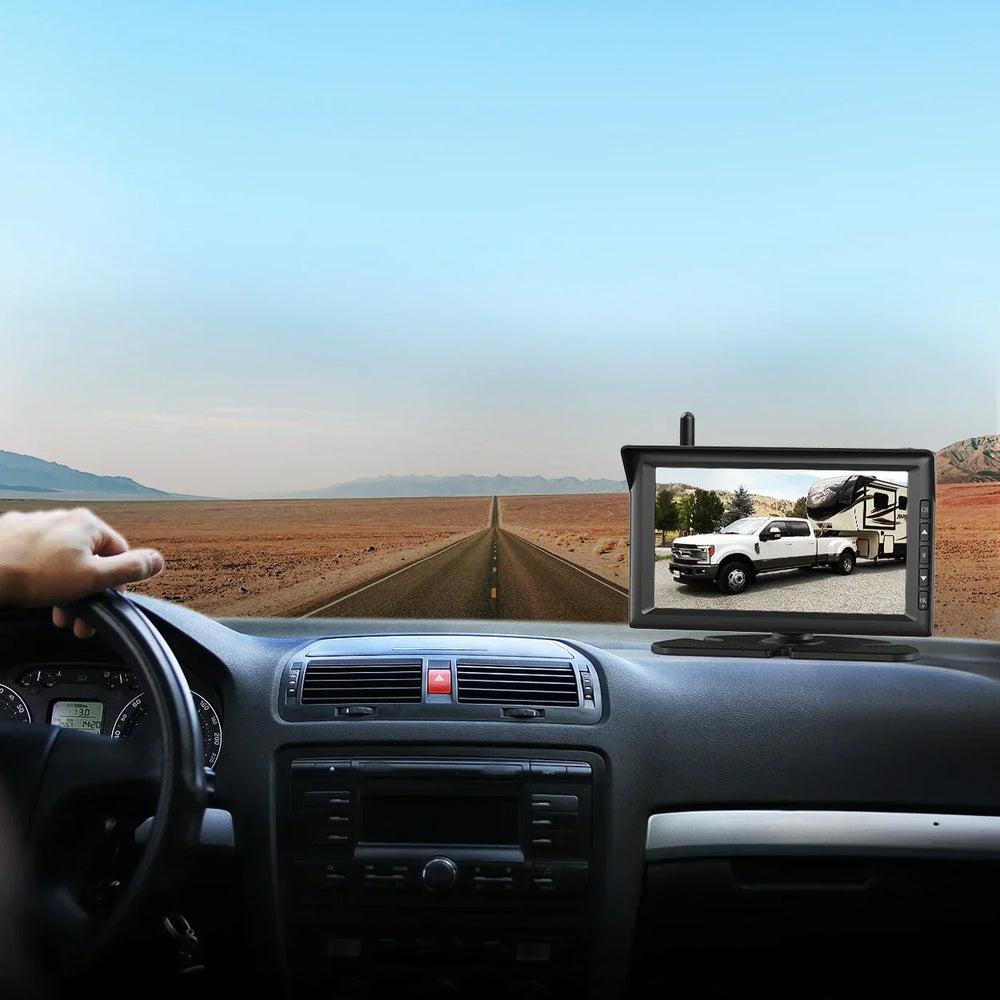
Credit: www.auto-vox.com
History Of Backup Cameras
Backup cameras became a necessity for new cars in 2018, enhancing safety and reducing blind spots. Their introduction aimed to prevent accidents, especially those involving children and objects behind vehicles.
The history of backup cameras is fascinating. It reflects the evolution of automotive safety technology. Backup cameras have become essential features in modern vehicles. They help drivers see obstacles that are not visible in mirrors. Let’s explore how these cameras became a standard in new cars.The Early Innovations
Backup cameras first appeared in concept cars in the 1950s. They were not widely used due to high costs. In the 1970s, more carmakers experimented with this technology. It was still rare to find these cameras in everyday cars.Technological Advancements In The 1990s
The 1990s saw significant advances in camera technology. Cameras became smaller and more affordable. This made it easier to integrate them into vehicles. Some luxury cars began featuring backup cameras as a premium option.Regulatory Changes
In the early 2000s, safety regulations began to change. There was a growing focus on reducing backup accidents. This led to discussions on making backup cameras mandatory in new cars. These talks highlighted the importance of technology in saving lives.Becoming A Standard Feature
By the mid-2000s, many car manufacturers offered backup cameras. They became more common in both luxury and mid-range vehicles. People started expecting these cameras as a standard feature in new cars.Mandate For New Vehicles
In 2014, the U.S. government mandated backup cameras in new cars. This rule aimed to prevent accidents and improve safety. By 2018, all new vehicles sold in the U.S. required backup cameras. This mandate marked a significant moment in automotive safety history.Safety Benefits
Backup cameras in new cars enhance road safety. These devices help drivers see obstacles behind their vehicles, reducing blind spots. With clearer rear visibility, accidents during reversing maneuvers are less likely.
Backup cameras have transformed the driving experience, offering significant safety benefits that are hard to ignore. These devices are not just a luxury; they can be a lifesaver. Imagine the peace of mind knowing that your car is equipped with technology designed to prevent accidents and ensure safer journeys.Accident Reduction
Backup cameras significantly reduce the risk of accidents, especially those involving pedestrians and cyclists. They provide a clear view of the blind spots, areas that are typically unseen with standard mirrors. Even a seasoned driver can miss a small child or an object while reversing. With a backup camera, you can easily spot these hazards and take immediate action.Enhanced Visibility
Visibility is crucial when you are behind the wheel. Backup cameras offer enhanced visibility, displaying a live feed of what’s behind you. This is particularly useful in tight parking spaces or crowded areas. Have you ever felt the anxiety of backing out in a busy parking lot? A backup camera alleviates this stress by showing you exactly what’s happening behind your car, making maneuvering safer and more accurate.Driver Confidence
Confidence is key to safe driving. Backup cameras boost driver confidence by providing additional information that enhances decision-making. You can reverse out of your driveway or a parking space knowing you have a complete view of the rear surroundings. This technology empowers you to trust your actions, minimizing the guesswork involved in reversing. Wouldn’t you prefer a tool that reassures you each time you drive? Backup cameras do just that, allowing you to focus on the road ahead with greater assurance.Regulatory Requirements
Backup cameras have become a standard feature in many new cars. This is due to regulatory requirements set by different governing bodies. These regulations ensure that vehicles are equipped with safety features that protect drivers and pedestrians.
Federal Mandates
In the United States, backup cameras are required in new cars. The National Highway Traffic Safety Administration (NHTSA) established this rule. It became mandatory for all new vehicles from May 2018. The aim is to reduce blind spots and prevent accidents. This mandate covers all types of passenger vehicles. From small cars to large trucks, all must comply with this rule.
International Standards
Other countries also have standards for backup cameras. In Canada, similar rules were implemented. They align with the regulations in the United States. The European Union has its own set of requirements. These standards focus on improving road safety. They ensure that new cars offer better visibility for drivers. Australia and Japan also follow strict guidelines. These countries aim to enhance pedestrian safety through technology.
Technological Advancements
Technological advancements in the automotive industry are reshaping the way we drive, making our journeys safer and more convenient. Backup cameras, which were once a luxury, are now a standard feature in many new cars. These cameras are not just standalone systems anymore; they are part of a broader technological ecosystem that enhances the overall driving experience.
Integration With Other Systems
Today’s backup cameras are seamlessly integrated with various other car systems, creating a unified safety network. They work in tandem with parking sensors, GPS navigation, and even lane departure warning systems. This integration means you receive real-time data that helps you make informed decisions when reversing or parking your car.
Imagine your car’s display screen not only showing what’s behind you but also alerting you to potential obstacles and guiding you with directional lines. This is the power of integrated systems. It’s like having an extra set of eyes, ensuring you navigate tight spaces with confidence.
Innovative Features
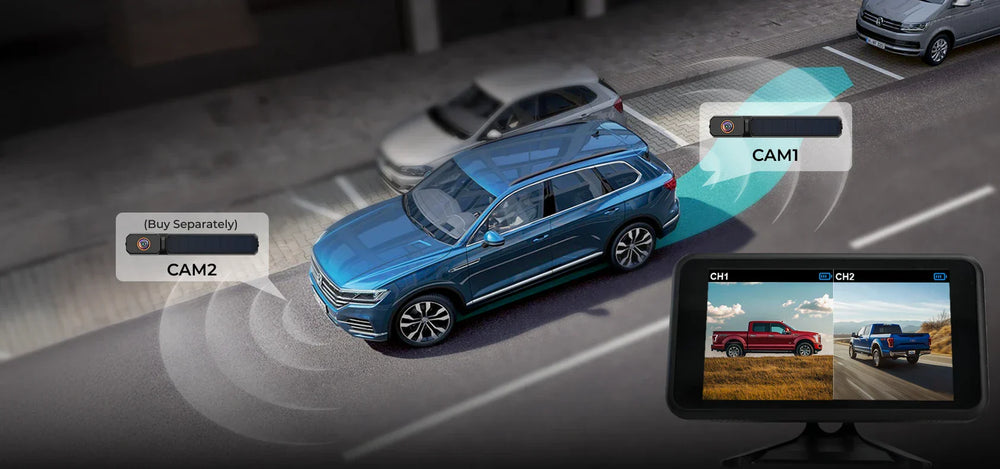
Backup cameras have evolved with innovative features that go beyond just showing a rearview image. Many models now offer dynamic guidelines that adjust as you turn the steering wheel, making it easier to judge distances and angles. Some even include a 360-degree view, combining images from multiple cameras to give you a bird’s eye perspective.
Have you ever considered how useful night vision capabilities in backup cameras can be? This feature enhances visibility in low-light conditions, reducing the risk of accidents. With these innovations, backup cameras are not just about safety; they enhance convenience and provide peace of mind.
As technology continues to advance, what new features would you like to see in backup cameras? Your feedback could shape the future of car safety technology. The possibilities are endless, and the next big breakthrough could be just around the corner.
Consumer Perspectives
As the roads get busier, safety features in cars are becoming more crucial. Backup cameras have emerged as a significant component in this evolution. How do consumers feel about this change? Let’s take a closer look at what drivers are saying and how these opinions are shaping car buying decisions.
Public Opinion
Many drivers view backup cameras as a necessary safety feature rather than a luxury. Imagine reversing out of a crowded parking lot without the aid of a camera. It can be nerve-wracking. Consumers who have experienced the convenience and safety of backup cameras often advocate for their inclusion in all new vehicles.
However, there are varied opinions. Some argue that reliance on technology can make drivers complacent. The question arises: Are backup cameras making us forget basic driving skills? Still, the overwhelming majority appreciate the added visibility, especially in larger vehicles.
Impact On Car Buying Decisions
Backup cameras are increasingly influencing consumer choices. Buyers are prioritizing vehicles equipped with this feature, especially families with young children. Knowing that a camera can prevent a tragic accident is a powerful motivator.
For many, the presence of a backup camera can be the deciding factor between two similar models. This shift indicates a growing trend: safety features are no longer optional but essential. As manufacturers take note, you might wonder, will backup cameras become standard in all cars?
Challenges And Limitations
Mandating backup cameras in new cars poses challenges and limitations. Some consumers worry about increased vehicle costs. Not all drivers trust the technology, preferring traditional mirrors.
The introduction of backup cameras in new cars has been a significant step towards enhancing safety. However, like any technological advancement, it comes with its own set of challenges and limitations. These challenges can impact both manufacturers and consumers, sometimes leading to questions about the overall feasibility and effectiveness of backup cameras.Cost Implications
One of the primary challenges is the cost. Adding a backup camera can increase the price of a new vehicle. This additional cost may not be feasible for everyone, especially those looking for budget-friendly options. You might find yourself weighing the benefits of enhanced safety against the higher price tag. Manufacturers also face increased production costs, which can affect their pricing strategies. Are the safety benefits worth the extra expense?Technical Issues
Technical issues are another limitation. Backup cameras can malfunction, especially in harsh weather conditions like heavy rain or snow. I’ve had my camera fog up on a particularly rainy day, rendering it almost useless. Such glitches can undermine the very safety they’re meant to enhance. Moreover, reliance on cameras can lead to complacency in drivers, potentially reducing their attention and awareness. Have you ever found yourself overly reliant on technology, only to be caught off guard when it fails?Future Trends
Backup cameras are increasingly common in new cars as safety standards evolve. These devices help drivers see blind spots, reducing accidents. New regulations may soon mandate them in all vehicles, reflecting technological advances and consumer demand.
The future of automotive technology is an exciting one, especially when it comes to safety features like backup cameras. As technology evolves, these features are not just about meeting current requirements but also about anticipating future needs. Let’s explore what’s on the horizon for backup cameras and how they might change the driving experience for you.Upcoming Innovations
The future of backup cameras is set to be more dynamic and interactive. Imagine a system that integrates augmented reality to project guidelines directly on the live camera feed, helping you park with pinpoint accuracy. Some manufacturers are even experimenting with AI-driven cameras that can recognize and alert you to potential hazards, such as children or pets running behind the car. Have you ever wished your backup camera could offer a broader view? Innovations in 360-degree cameras are making this a reality, offering a comprehensive view of your vehicle’s surroundings. These cameras could eventually be standard, offering a seamless blend of safety and convenience.Potential Regulatory Changes
Regulations around backup cameras have been evolving, and they might continue to do so as technology advances. While current laws mandate the inclusion of backup cameras in new cars, future regulations might focus on enhancing the quality and functionality of these systems. Consider the possibilities if regulations required real-time data sharing between vehicles. Such changes could lead to a network of connected vehicles, all communicating potential hazards to each other. This could revolutionize road safety, reducing accidents significantly. Are these innovations and potential regulations something you’re ready to embrace? The automotive industry’s future promises to be safer and more intuitive, making driving a more enjoyable and secure experience for everyone.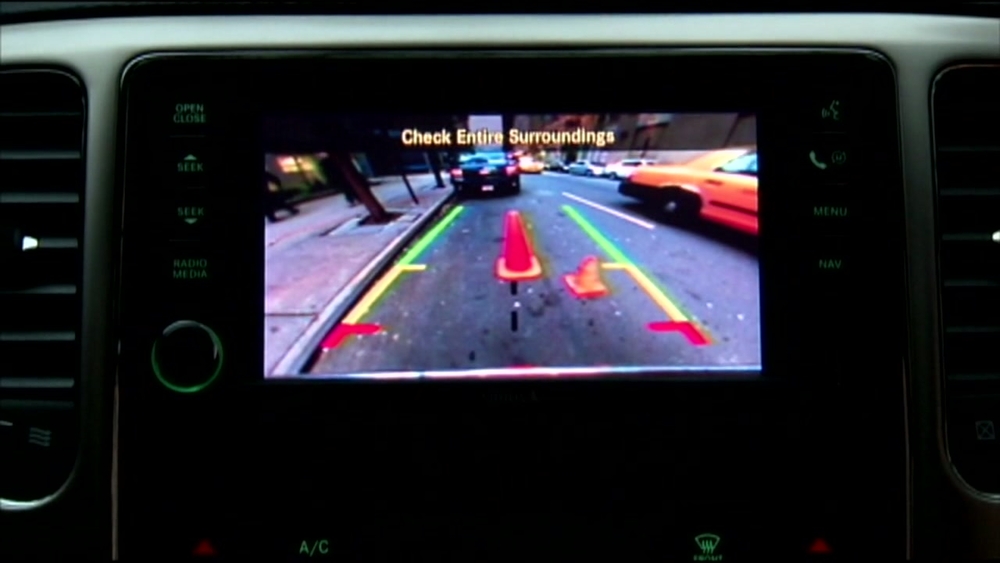
Credit: abc13.com
Credit: www.auto-vox.com
Frequently Asked Questions
Are Backup Cameras Mandatory In New Cars?
Yes, backup cameras are mandatory for new cars in the U. S. since May 2018. This rule aims to enhance safety by preventing backover accidents. Car manufacturers must install rear visibility technology, typically a camera, to comply with federal regulations.
Why Are Backup Cameras Important For Drivers?
Backup cameras improve safety by providing a clear view of what’s behind your vehicle. They help prevent accidents, especially involving children and obstacles. Drivers can park more easily, reducing blind spots and increasing confidence when reversing.
Do All New Vehicles Come With Backup Cameras?
Yes, all new vehicles must include backup cameras as per federal regulations. This requirement applies to most passenger cars, trucks, and SUVs. It ensures consistent safety standards across the automotive industry, making roads safer for everyone.
How Do Backup Cameras Enhance Driving Safety?
Backup cameras enhance safety by minimizing blind spots and helping drivers spot obstacles. They reduce the risk of accidents during reverse maneuvers. By providing a live feed of the rear view, they ensure safer parking and reversing.
Conclusion
Backup cameras have become standard in most new cars today. They help drivers see behind the vehicle. This safety feature can prevent accidents. It makes parking easier, too. Many new cars include it, meeting legal requirements. Driving with a backup camera offers peace of mind.
It enhances overall safety on the road. Car buyers should consider models with this feature. Stay informed about vehicle safety advancements. Backup cameras are not just optional; they are essential. They are a wise investment for safety. Make sure your next car has one.
It could make a real difference.