
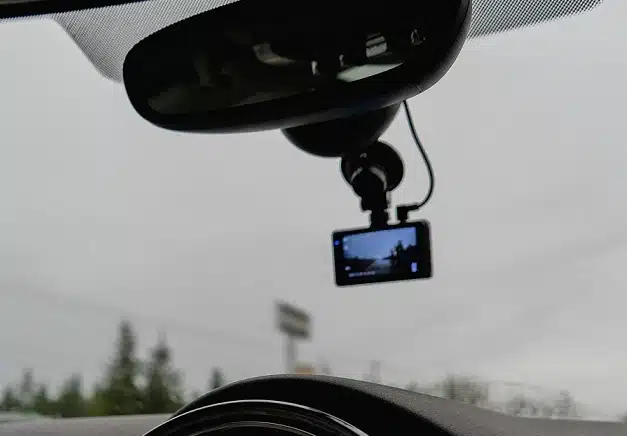
Imagine you’re driving down the road, enjoying your favorite playlist, when suddenly, an unexpected event unfolds before your eyes. Wouldn’t it be reassuring to have a dash cam capturing every detail for your peace of mind?
But then, a question pops up: does having a dash cam mean risking your car battery? If you’re concerned about this, you’re not alone. You’ll discover the truth behind this common worry. We’ll dive into how dash cams work, what affects their power consumption, and whether your battery is truly at risk.
By the end, you’ll feel confident about using a dash cam without compromising your vehicle’s battery life. Ready to unravel the mystery and protect your car? Let’s get started!
Dash Cam Basics
Dash cams have become an essential tool for modern drivers, capturing every moment on the road. They offer peace of mind by providing video evidence in case of accidents or disputes. Understanding the basics of dash cams can help you decide which features are crucial for your needs, and whether they might affect your car battery.
Types Of Dash Cams
Dash cams come in various types, each designed for specific purposes. The most common ones are front-facing, dual-facing, and 360-degree models. A front-facing dash cam records what’s ahead of you, while dual-facing models capture both the road and the inside of your vehicle. The advanced 360-degree cameras provide a comprehensive view, covering all angles around your car.
Key Features Of Dash Cams
When choosing a dash cam, there are several key features to consider. Video quality is crucial; high-definition resolution ensures clear footage. Look for night vision capabilities if you drive frequently in low-light conditions. Additionally, features like GPS tracking and G-sensors can provide extra benefits, such as location data and automatic recording during sudden movements.
Most importantly, consider the power source. Some dash cams are hardwired to your car’s battery, while others use a rechargeable battery or plug into the cigarette lighter. This can influence whether your dash cam might drain your car battery.
Have you ever left your dash cam on overnight and worried about a flat battery in the morning? Knowing your dash cam’s power consumption and settings can prevent unwanted surprises. Choose wisely, and your dash cam will be a reliable companion on every journey.

Credit: driveyetech.com
Power Consumption
Understanding the power consumption of a dash cam is crucial if you’re concerned about your car battery’s health. Dash cams are a fantastic tool for recording your journeys, but they do require a consistent power source to operate effectively. This raises the question: Does your dash cam pose a risk to your car battery?
Power Requirements Of Dash Cams
Most dash cams are designed to use minimal power, usually ranging from 1 to 5 watts. This means that, under normal circumstances, they shouldn’t drain your battery when the engine is running. However, if your dash cam is constantly recording while the car is off, it could potentially draw enough power over time to deplete your battery.
Consider the mode in which your dash cam operates. Some have parking modes, which keep the camera running even when the car is off. It’s essential to know your dash cam’s specifications and adjust settings accordingly.
Factors Influencing Power Usage
Your dash cam’s power usage can vary based on several factors. Resolution and features play a significant role; higher resolution and additional features like GPS and Wi-Fi increase power consumption. Think about what features you truly need and adjust settings to conserve power.
Installation also matters. If the dash cam is hardwired to the battery, it might have a continuous power draw. You can opt for a model with a built-in battery or a power management system that shuts off the camera when the battery reaches a certain level.
Ultimately, the decision to use a dash cam should come with an understanding of its impact on your vehicle’s battery. Are you using the right settings to ensure your car starts every time you need it? Keep these insights in mind, and you’ll enjoy the benefits of a dash cam without the worry of a drained battery.
Battery Drain Myths
Battery drain myths surrounding dash cams often stir up unnecessary worry among car owners. Many believe that these compact devices are power-hungry, threatening the life of their vehicle’s battery. But is there any truth to these concerns, or are they simply misconceptions born from misinformation?
Common Misconceptions
Some drivers assume dash cams will drain their car battery overnight if left plugged in. The fear is rooted in the idea that these cameras continuously draw power even when the vehicle is off.
However, most modern dash cams are designed to enter a low-power mode or shut off completely when your car’s engine stops running. This feature prevents significant battery drain.
Another myth is that dash cams require heavy wiring that can harm the battery. In reality, installation is straightforward, and most devices use minimal energy.
Real-world Scenarios
In practical use, dash cams often draw less power than you might expect. Consider the average power consumption: many models use less than 5 watts during operation. This is similar to charging a phone.
Think about how often you leave your phone charger plugged in without noticeable battery impact. Dash cams share this low-energy footprint.
Have you ever worried about your car’s radio draining the battery? Dash cams operate on a similar level of power consumption. When considering whether to install a dash cam, it’s worth evaluating your actual driving habits and parking situations.
Are you parking in a safe area where the camera can remain off, or do you need a model with parking mode for added security? Understanding your personal needs can help dispel these myths and make an informed choice.

Credit: www.youtube.com
Impact On Car Battery
A dash cam is a handy tool for recording your driving experiences. But, many wonder about its impact on car batteries. Understanding this can help you make informed decisions about using dash cams.
Short-term Effects
In the short term, a dash cam usually draws a small amount of power. This is especially true when the car is running. The alternator charges the battery, minimizing any drain. Dash cams typically use about 0.5 to 2 amps. This is similar to other small electronic devices in your vehicle.
If your car battery is healthy, short-term usage won’t cause issues. Most modern dash cams have features like auto-off. These prevent battery drain when the car is off. Some dash cams are equipped with a parking mode. They continue recording even when the car is parked. This might lead to a slight drain if not managed properly.
Long-term Considerations
Long-term use of a dash cam can impact your car battery. If left on constantly, it can slowly drain your battery. This is particularly true if your car is not driven regularly. A parked car over weeks may experience battery drain. This is due to continual power draw from the dash cam.
To avoid issues, consider using a power management device. These devices shut off the dash cam when the battery reaches a certain level. Regularly checking your battery’s health is also important. Replacing an old battery can prevent unexpected failures.
Another option is connecting the dash cam to a separate power source. This ensures the car battery remains unaffected. Such solutions are beneficial for long-term peace of mind.
Preventing Battery Drain
Using a dash cam can lead to battery drain if left connected when the car is off. Consider using a hardwire kit with a voltage cutoff feature to prevent this issue. Regularly checking your dash cam’s power settings can help maintain your car’s battery life effectively.
Preventing Battery Drain Have you ever worried about your car battery dying because of your dash cam? It’s a common concern, but there are ways to prevent this issue. With the right strategies, you can enjoy the benefits of your dash cam without draining your car battery. One day, I found myself stuck in the middle of nowhere with a dead battery, all because my dash cam had drained it overnight. That experience taught me the importance of understanding how dash cams work and how to manage their power consumption. Let’s dive into some practical tips that can help you keep your battery healthy and your dash cam running smoothly.Choosing The Right Dash Cam
Selecting a dash cam with low power consumption is crucial. Look for models that have a parking mode that automatically shuts off when your car battery reaches a low voltage. Consider dash cams that come with a built-in battery-saving feature. These features can prevent the dash cam from drawing power when your vehicle is parked for extended periods. Research and read reviews about the dash cam’s performance related to battery usage. Knowledge from other users can guide you to make an informed decision.Installation Tips
Proper installation can significantly reduce battery drain. Ensure that your dash cam is wired correctly to the fuse box. This helps regulate power usage. Use a hardwire kit designed for dash cams. These kits often come with an adjustable voltage cutoff to prevent battery drain. Check your vehicle’s compatibility with the dash cam’s wiring system. Incorrect wiring can lead to unnecessary power draw.Using A Battery Pack
Consider using an external battery pack dedicated to your dash cam. These packs can supply power without affecting your car’s battery. Battery packs are particularly useful for long-term parking situations. They provide power independently, ensuring your dash cam operates without interruption. Keep an eye on the battery pack’s charge level. Regularly charging it ensures your dash cam remains powered without relying on your car’s battery. Have you ever thought about using a battery pack for your dash cam? It might be the solution you’re looking for to keep your car battery healthy while still enjoying the security your dash cam provides.
Credit: www.vantrue.com
Alternatives And Solutions
Worried about your dash cam draining your car battery? You’re not alone. Many drivers face this issue, but thankfully, there are alternatives and solutions to keep your battery safe while still enjoying the benefits of a dash cam. Let’s explore some practical options to ensure your peace of mind.
Hardwiring Options
Hardwiring your dash cam directly to your car’s fuse box is an effective solution. This method provides a continuous power source without draining your battery. A hardwire kit often includes a voltage monitoring feature, ensuring your battery stays healthy by cutting off power if the voltage drops too low.
Consider professional installation for peace of mind. A professional can ensure the setup is correct and safe. Alternatively, if you’re a DIY enthusiast, many kits come with step-by-step instructions.
Parking Mode Features
Many modern dash cams come with parking mode features. These features allow the dash cam to record even when your car is parked, offering security against theft or vandalism. But, without proper management, this could lead to battery drainage.
Some dash cams offer a motion detection setting, which only activates the camera when it senses movement. This reduces power usage significantly. Another feature to consider is time-lapse recording, which captures frames at intervals, consuming less power than continuous recording.
Have you considered using an external battery pack? This can power your dash cam without affecting your car’s battery. It’s a simple yet effective way to ensure security without the worry of a drained battery.
Remember, it’s all about choosing the right options for your needs. Which solution will you try to keep your dash cam running smoothly without draining your battery?
Expert Insights
Dash cams are more popular today. Many drivers worry about battery drain. Do dash cams really affect car batteries? We asked experts for their views. They provided valuable insights.
Opinions From Automotive Experts
Automotive experts have shared their thoughts. Most say that dash cams use little power. They argue that it’s like charging a phone. It’s not likely to drain a healthy battery. Yet, some suggest checking your car’s battery condition often.
Case Studies
Several case studies show real-world results. One study monitored cars for weeks. The results showed minimal battery impact. Another case involved older car models. They experienced a slight power drop. But it wasn’t enough to affect daily use. These findings provide peace of mind for many drivers.
Frequently Asked Questions
Can A Dash Cam Affect Car Battery Life?
A dash cam can impact battery life if left on continuously. It’s essential to use a power management system to prevent excessive battery drain. Some dash cams offer parking mode, using minimal power when the car is off.
How Long Can A Dash Cam Run On Battery?
Most dash cams can run for several hours on a car battery. However, the duration depends on the dash cam model and battery capacity. It’s advisable to use a dash cam with a built-in battery or capacitor for prolonged recording.
Is It Safe To Leave A Dash Cam Plugged In?
Leaving a dash cam plugged in is generally safe. Ensure it has a low-power mode or automatic shut-off feature. This prevents excessive battery drain when the vehicle is not in use.
Do Dash Cams Drain Battery When Car Is Off?
Dash cams can drain the battery when the car is off if not properly managed. Use a hardwire kit with voltage protection to avoid battery depletion. Parking mode can also minimize power usage during inactivity.
Conclusion
A dash cam can affect your car battery. It depends on usage and settings. Parking mode drains more power. Regular driving charges the battery. Choose a reliable dash cam model. Ensure it has efficient power management. Use a hardwire kit with a battery protection feature.
This helps prevent draining. Regularly check your battery’s condition. A healthy battery lasts longer. Dash cams offer valuable security benefits. Consider all factors for a smart choice. Protect your vehicle and battery. Make informed decisions for peace of mind.