
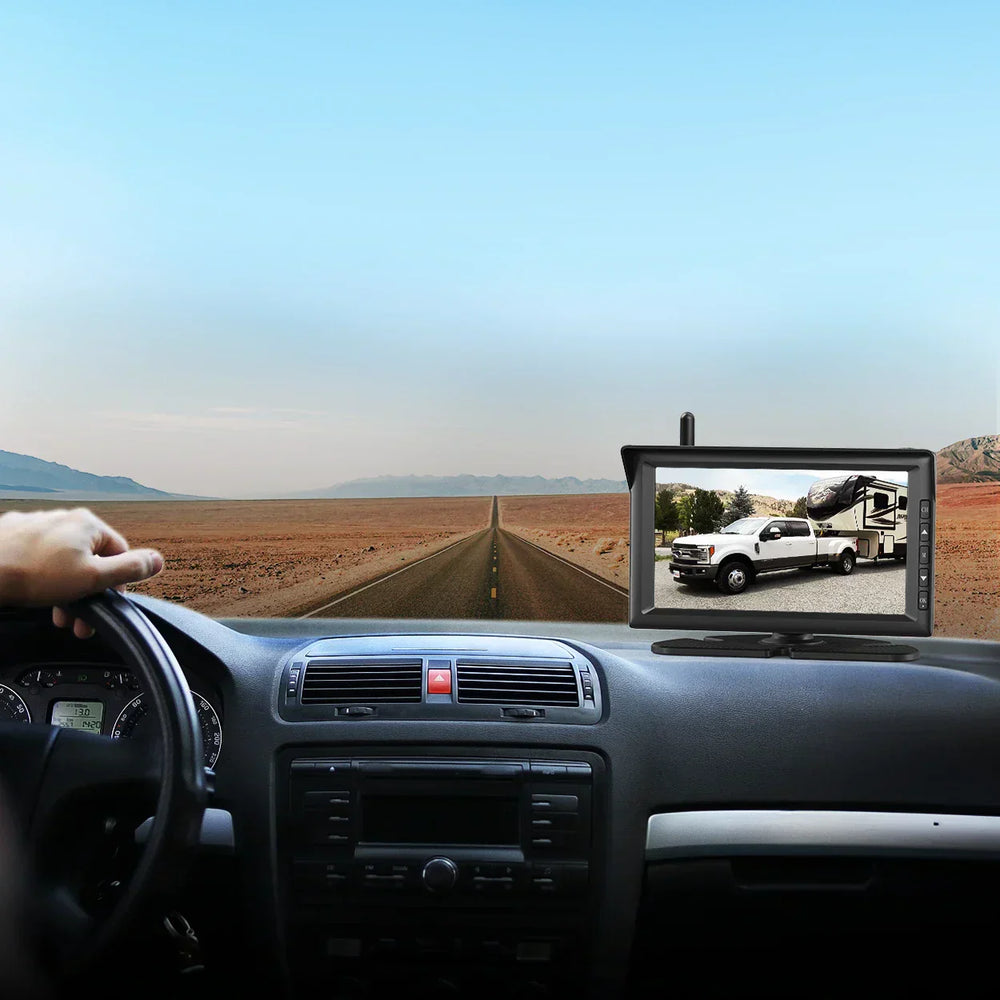
Have you ever wondered if backup cameras in cars are a legal requirement? Maybe you’ve noticed these handy devices becoming more common and wondered if there’s a law behind their widespread use.
Understanding the legal landscape surrounding backup cameras is crucial, especially if you’re considering buying a new car or upgrading your current vehicle. You might be curious about whether these cameras are just a luxury or a necessity enforced by law.
You’ll discover the facts about backup cameras, learn why they’ve become increasingly important, and find out how they could impact your driving experience. Prepare to uncover insights that might surprise you and offer peace of mind when you’re behind the wheel.
Backup Camera Mandate
The backup camera mandate is a crucial safety regulation. It aims to reduce accidents caused by reversing vehicles. This mandate ensures all new cars have backup cameras. Knowing its origins and timeline helps understand its importance. Let’s explore this essential requirement.
Origins Of The Requirement
In the early 2000s, reversing accidents were a major concern. Many involved children, leading to tragic outcomes. Safety advocates pushed for change. They highlighted the need for better rear visibility. The idea was simple: use technology to save lives. This led to discussions about backup cameras.
Congress took notice. In 2008, they passed the Cameron Gulbransen Kids Transportation Safety Act. It required the National Highway Traffic Safety Administration (NHTSA) to act. Their task was to create a rule ensuring better rear visibility. This was the beginning of the backup camera mandate.
Implementation Timeline
The journey from idea to law was not quick. After the 2008 Act, there was much work to do. The NHTSA had to research and draft rules. They needed public feedback and industry input. This process took several years.
In 2014, the final rule was issued. It required backup cameras on new vehicles. But manufacturers needed time to comply. The deadline for full compliance was set for May 2018. By then, all new cars sold in the US needed backup cameras. This timeline marked a significant step toward safer roads.

Credit: www.auto-vox.com
Safety Benefits
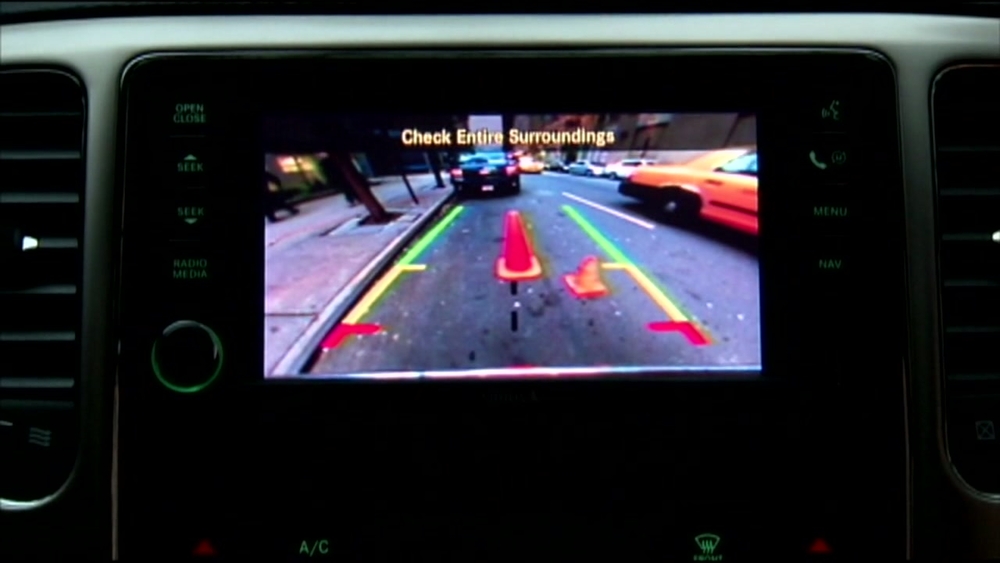
Backup cameras are more than just a modern convenience. They play a crucial role in enhancing vehicle safety. These devices provide drivers with a clear view of what’s behind them. This reduces the risk of accidents significantly. With backup cameras, drivers can make safer maneuvers, especially in crowded areas.
Accident Reduction
Backup cameras help reduce accidents involving pedestrians and objects. Drivers can see areas not visible in mirrors. This prevents collisions that occur during reversing. Fewer accidents mean fewer injuries and less property damage. Backup cameras save lives by offering a wider field of vision.
Enhanced Driver Awareness
These devices increase driver awareness by showing hidden spots. Drivers can better judge distances and detect obstacles. Enhanced awareness leads to more cautious driving. Backup cameras also improve parking accuracy. Drivers can avoid minor scrapes and dents. This added awareness makes driving safer for everyone.
Technological Evolution
The integration of backup cameras in cars is a fascinating example of technological evolution that has transformed the way we drive. Just a decade ago, reversing a car relied heavily on side mirrors and sheer guesswork. Now, backup cameras have become a standard feature, enhancing safety and convenience. Let’s explore how this technology has evolved and integrated with other car systems, making our driving experience smoother and more secure.
Advancements In Camera Technology
Backup cameras have come a long way since their inception. Early models offered grainy images and limited visibility. Today, they provide high-definition video and wide-angle views that capture every detail behind your car.
Manufacturers have also improved camera durability. Modern cameras are designed to withstand extreme weather conditions, ensuring reliable performance in rain, snow, or shine. This advancement ensures your safety is never compromised, no matter where or when you drive.
Consider the first time you used a backup camera. Did you notice how it transformed your parking experience? These advancements not only make reversing easier but also build your confidence behind the wheel.
Integration With Other Systems
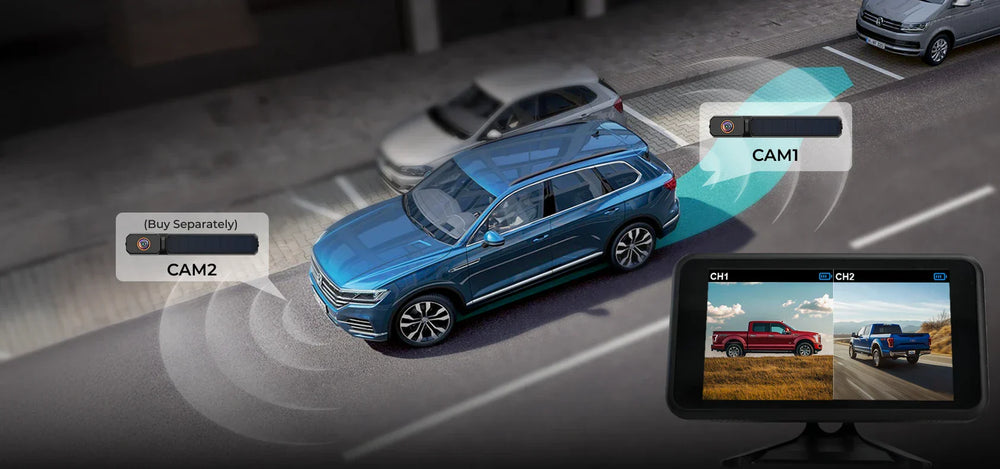
Backup cameras do more than just show what’s behind you. They seamlessly integrate with other car systems, enhancing overall functionality. Many modern vehicles combine camera feeds with parking sensors, offering a comprehensive view of your surroundings.
Some systems even incorporate augmented reality overlays. This technology highlights potential obstacles on your screen, guiding you safely around them. It’s like having a virtual co-pilot assisting you in real-time.
Have you ever thought about how these integrated systems might evolve further? As technology progresses, cars are likely to become even smarter, potentially communicating with other vehicles to prevent accidents. How do you think such advances will change your driving habits?
Credit: www.auto-vox.com
Consumer Impact
The introduction of backup cameras in cars has significantly changed the driving experience for consumers. While initially perceived as a luxury, these devices have now become a standard feature, providing added safety and convenience. But how does this impact you as a consumer in terms of cost and user experience?
Cost Implications
Adding backup cameras to vehicles has altered the cost landscape for consumers. While new cars come equipped with these cameras, older models may require aftermarket installations, which can be pricey. You may find yourself balancing the upfront cost with the long-term benefits of enhanced safety.
Consider the potential savings from avoiding minor accidents or dents that can occur without a clear view when reversing. Some insurance companies even offer discounts for cars equipped with backup cameras, potentially offsetting initial costs.
User Experience
Backup cameras transform the driving experience, offering peace of mind and improved safety. They provide a clear view of what’s behind your vehicle, reducing blind spots. Imagine the confidence of reversing without constantly swiveling your head.
Have you ever parked in a tight spot, nervously inching backward? With a backup camera, you get real-time visual assistance, making parking stress-free. Many drivers report feeling more secure and less anxious, especially in crowded or unfamiliar areas.
But, could this reliance on technology make us less attentive? It’s crucial to remember that backup cameras are aids, not replacements for good driving habits. How do you balance technology with traditional skills?
Legal Exceptions
Backup cameras have become a staple in modern vehicles, enhancing safety by offering a clear view of what’s behind the car. However, not every vehicle is required by law to have this feature. Understanding the legal exceptions can help you navigate the rules and make informed decisions about your vehicle’s safety features.
Exempt Vehicle Categories
Interestingly, certain types of vehicles are exempt from the backup camera requirement. If you own an older model vehicle, it might not have this feature. Classic cars, which are often prized for their original parts, might not include backup cameras due to their age and design.
Heavy-duty vehicles, such as trucks intended for commercial use, may also be exempt. These vehicles typically rely on different safety measures suited to their size and function. It’s worth checking if your vehicle falls into one of these categories, especially if you’re considering updates or upgrades.
Regional Variations
The legality of backup cameras can vary by region. In some areas, the laws might be stricter, requiring all new cars to have backup cameras, while in others, older models might still be road-legal without them.
Europe, for instance, may have different regulations compared to the United States. If you’re planning to move or travel with your vehicle, understanding these variations can save you from potential fines or legal issues.
Have you ever considered how these regional differences might impact your daily driving experience? If you’re buying a car, researching local laws can be as important as choosing the vehicle itself.
Credit: abc13.com
Future Outlook
Future regulations point towards mandatory backup cameras in all new cars, enhancing safety and reducing accidents. As technology advances, more countries may adopt these requirements. The trend suggests a growing global emphasis on vehicle safety features.
The future of backup cameras in cars is bright and promising. Technology is always advancing, providing new possibilities for safety and convenience. Understanding these changes is crucial for drivers and manufacturers alike.Emerging Innovations
Backup cameras are becoming smarter and more efficient. Many new systems offer wide-angle views, reducing blind spots. Some cameras now have night vision, helping drivers in low-light conditions. Integration with AI offers predictive alerts, warning drivers of potential collisions. Wireless technology improves connectivity, making installation easier and more reliable. These innovations enhance safety, providing a better driving experience.Potential Changes In Legislation
Legislation around backup cameras may evolve with technology advancements. Governments might mandate improved standards for camera quality and performance. There could be laws requiring more comprehensive coverage of blind spots. Enhanced safety features might become mandatory in new vehicles. Changes in legislation can lead to safer roads and fewer accidents. Keeping up with these shifts is important for car manufacturers and consumers.Frequently Asked Questions
Are Backup Cameras Mandatory For New Cars?
Yes, backup cameras became mandatory for new cars in the U. S. starting May 2018. This law aims to reduce backover accidents by improving rear visibility for drivers. All vehicles weighing less than 10,000 pounds must be equipped with backup cameras.
What Year Did Backup Cameras Become Law?
Backup cameras became law in May 2018 for vehicles sold in the U. S. This regulation applies to passenger cars, trucks, vans, and SUVs. It was implemented to enhance safety and prevent accidents involving pedestrians and cyclists.
Do All Cars Have Backup Cameras Now?
Most new cars have backup cameras due to the 2018 mandate. However, older vehicles may not have them unless owners have installed them aftermarket. The law requires manufacturers to include backup cameras in new models.
Why Are Backup Cameras Important?
Backup cameras improve driver awareness and reduce blind spots. They help prevent accidents during reversing by providing a clear view of the area behind the vehicle. This technology significantly enhances safety for pedestrians and objects near the vehicle.
Conclusion
Backup cameras are now a standard feature in cars. Many countries have laws for this. These cameras enhance safety on the road. Drivers can see what’s behind them clearly. This reduces accidents and protects pedestrians. If buying a car, check for a backup camera.
It’s a valuable safety tool. Always stay informed about vehicle regulations. Safety should be a top priority for all drivers. Backup cameras support this goal effectively. Embrace technology that keeps roads safer for everyone.