
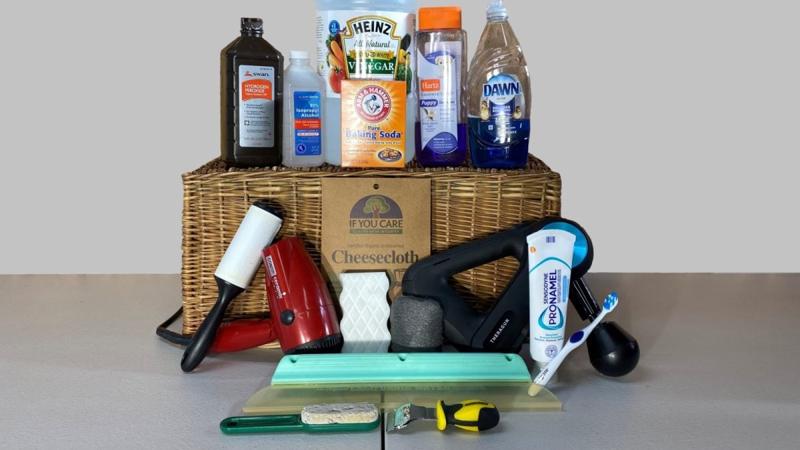
Are you tired of spending extra cash on car wash soap that doesn’t quite do the trick? Imagine having a spotless car without breaking the bank.
You can create your own car wash soap at home, and it’s easier than you might think. By using simple ingredients that you likely already have in your kitchen, you can make an effective, eco-friendly car wash solution. This DIY approach not only saves money, but also gives you control over the ingredients, ensuring a gentle wash for your car’s finish.
Dive into this article to discover how you can keep your car shining like new with a homemade car wash soap that works wonders.
Benefits Of Homemade Car Wash Soap
Homemade car wash soap offers numerous benefits for car owners. It is cost-effective and customizable. You can choose the ingredients that suit your car’s finish. This ensures a gentle yet effective clean. Homemade soap can be eco-friendly too. Use biodegradable ingredients to reduce environmental impact. Plus, making your own soap is a fun and rewarding experience. Let’s explore the benefits in detail.
Cost-effective Solution
Store-bought car wash soaps can be expensive. Making your own soap saves money. You only need a few common ingredients. These are usually already in your home. Use items like dish soap and baking soda. This makes homemade soap an affordable choice.
Customizable Formulas
Create a formula that suits your car’s needs. Adjust ingredients for different finishes. Add essential oils for a pleasant scent. Customize for sensitive car paint or tough grime. This level of customization is not available with store-bought options.
Environmentally Friendly
Homemade car wash soap can be eco-friendly. Use biodegradable ingredients to protect the environment. Avoid harsh chemicals found in commercial products. This reduces pollution and keeps waterways clean.
Safe For Your Car
Homemade soap is gentle on car surfaces. Avoid harmful chemicals that can damage paint. Use mild ingredients like vinegar and soap. This ensures a safe and effective clean for your vehicle.
Fun And Rewarding Experience
Creating car wash soap is a fun DIY project. Involve the whole family in making it. It’s an enjoyable and educational activity. Plus, there’s satisfaction in using a product you made yourself.

Credit: www.youtube.com
Essential Ingredients
Crafting your own car wash soap can be both fulfilling and economical. Knowing the essential ingredients not only saves you money but also ensures you’re using safe and effective components. Let’s dive into what makes up the perfect homemade car wash soap.
Water
Water acts as the base for your car wash solution. It helps to dilute the other ingredients and allows the soap to spread evenly across the car’s surface. Use clean, distilled water for the best results to avoid minerals that might leave spots.
Liquid Dish Soap
A staple in most kitchens, liquid dish soap is surprisingly effective for cleaning cars. It’s gentle enough not to strip wax or damage paint, yet strong enough to cut through dirt and grime. Choose a mild dish soap without additives like bleach or harsh chemicals.
White Vinegar
White vinegar is a natural cleanser with the power to break down grease and remove water spots. It works as a gentle acid that leaves your car sparkling clean. Just a small amount can boost the cleaning power of your homemade soap.
Baking Soda
Baking soda is an excellent deodorizer and gentle abrasive that helps scrub away stubborn stains without scratching your car’s surface. Its alkaline nature balances the acidity of vinegar, creating a well-rounded cleaner.
Essential Oils
Adding a few drops of essential oils can enhance the cleaning experience with refreshing scents. Opt for citrus oils like lemon or orange for their natural degreasing properties. Plus, they leave your car smelling fresh.
Have you ever considered the impact of each ingredient on your car’s finish? By understanding these components, you can tailor your car wash soap to meet your specific needs. Next time you wash your car, you’ll know exactly what’s in your cleaning solution, ensuring a safe and effective wash every time.
Basic Recipe For Car Wash Soap
Creating your own car wash soap is a cost-effective solution. It allows you to avoid harsh chemicals found in commercial products. With a few household items, you can make a gentle yet effective soap. This basic recipe cleans your car without damaging its finish. Let’s dive into the simple steps.
Ingredients You Need
- 1 cup of mild liquid dish soap
- 1 cup of baking soda
- 1 bucket of warm water
- Optional: Essential oils for fragrance
Mixing The Ingredients
Start by filling the bucket with warm water. Add the dish soap to the water. Stir gently to avoid creating too many bubbles. Next, add the baking soda. Stir until it dissolves completely. Baking soda helps remove dirt and grime.
Optional: Adding Fragrance
If you prefer a scented soap, add a few drops of essential oils. Choose scents like lavender or lemon for a fresh smell. Stir the mixture again to blend the fragrance. Your car wash soap is now ready to use.
How To Use Your Homemade Soap
First, rinse the car with water to remove loose dirt. Use a soft sponge or cloth to apply the soap. Gently scrub the surface in circular motions. Rinse thoroughly with clean water. Dry the car with a microfiber towel to prevent water spots.

Credit: www.brilliatech.com
Eco-friendly Alternatives
Washing your car can harm the environment. Many commercial soaps contain harsh chemicals. Eco-friendly alternatives offer a safer choice. They clean effectively and protect the planet.
These alternatives use natural ingredients. They break down easily and cause less pollution. Let’s explore how you can make your own eco-friendly car wash soap.
Using Castile Soap
Castile soap is a great natural option. It’s made from vegetable oils. Gentle on your car’s paint and the environment. Mix it with water for a simple car wash solution. Add a few drops of essential oil for a fresh scent.
Making Soap With Baking Soda
Baking soda is a versatile cleaner. It removes dirt without scratching surfaces. Mix baking soda with water to create a paste. Use this to scrub tough spots on your car. It’s effective and safe for the environment.
Vinegar And Water Solution
Vinegar is a natural cleaner. It cuts through grime and grease. Mix equal parts vinegar and water. This solution can clean windows and tires. It leaves your car shiny without harmful residues.
Utilizing Lemon Juice
Lemon juice is acidic and cleans well. It helps remove stubborn stains. Mix it with water and a bit of olive oil. This creates a natural polish for your car. It leaves a fresh scent and a glossy finish.
Essential Oils For Fragrance
Essential oils add a pleasant aroma. They can be mixed with any eco-friendly soap. A few drops can enhance your cleaning solution. Choose lavender or tea tree oil for antibacterial properties.
Tools For The Job
Discover essential tools for creating homemade car wash soap. Gather liquid dish soap, baking soda, and a bucket. Mix these ingredients for an affordable, effective cleaning solution.
Making your own car wash soap can be a rewarding and cost-effective venture. Before you start mixing ingredients, having the right tools at your disposal is essential for success. These tools not only make the process easier but also help ensure that your homemade soap is effective and safe for your vehicle’s paint. Dive into your kitchen or garage, and you’ll likely find most of what you need right there.Measuring Cups And Spoons
Precision is key when creating your car wash soap. Measuring cups and spoons allow you to add the right amount of each ingredient, ensuring a consistent mixture every time. Using the wrong measurements could lead to a less effective soap or one that might even harm your car’s finish.Large Mixing Bowl
A large mixing bowl is a must-have for combining your ingredients. It should be big enough to accommodate all your components without spilling over. Choose a bowl that’s easy to clean, as soap residues can stick around if not washed properly.Stirring Utensil
A sturdy stirring utensil is essential for blending your ingredients thoroughly. Wooden spoons are a great option, as they are durable and won’t react with any of the soap ingredients. Make sure the utensil is long enough to reach the bottom of your mixing bowl.Storage Containers
Once your soap is mixed, you’ll need a place to store it. Opt for airtight containers that can keep your soap fresh for multiple washes. Reusing old shampoo or detergent bottles can be an eco-friendly choice and keeps plastic out of the landfill.Funnel
A funnel is incredibly helpful when transferring your homemade car wash soap into storage containers. It prevents spills and ensures that every drop of your mixture goes into the container. This simple tool can save you a lot of cleanup time.Protective Gear
While making car wash soap is generally safe, wearing gloves can protect your skin from irritation. This is especially important if you have sensitive skin or are handling ingredients like vinegar or essential oils. Remember, safety first! By gathering these tools, you set the stage for an efficient and enjoyable soap-making experience. Have you ever tried making your own car wash soap, or is this your first venture?Step-by-step Mixing Instructions
Mix water and dish soap in a bucket. Add baking soda for extra cleaning power. Stir gently until combined.
Making your own car wash soap at home can be a fun and rewarding experience. By mixing your own soap, you control the ingredients, ensuring it is both effective and environmentally friendly. Plus, you might just find that your vehicle shines a little brighter knowing you created the solution yourself.Gather Your Materials
Before you begin, ensure you have all the necessary materials. You’ll need a large bucket, liquid dish soap, baking soda, and water. Many people find using a measuring cup and a wooden spoon helpful for precise mixing.Measure The Ingredients
Start by measuring one cup of liquid dish soap. Opt for a brand that is gentle yet effective, as harsh chemicals can damage your car’s paint. Add it to the bucket, ensuring every drop counts.Add Baking Soda
Next, measure half a cup of baking soda. This ingredient helps remove stubborn grime and dirt. Pour it into the bucket with the dish soap.Mix With Water
Fill the bucket with about two gallons of water. Use warm water if possible, as it helps the ingredients mix more thoroughly. Stir the mixture with a wooden spoon until the soap and baking soda are completely dissolved.Stir Thoroughly
Stir the solution for at least two minutes. Ensure there are no clumps of baking soda left. A smooth and even mixture will clean your car more effectively.Test Your Soap
Before applying the soap to your entire vehicle, test it on a small area. This ensures there are no adverse reactions with your car’s paint. If all looks good, proceed with the wash.Store The Leftovers
If you have leftover soap, store it in a sealed container for future use. Make sure to label it clearly to avoid confusion. This way, you have a ready-to-use solution for your next car wash. Creating car wash soap at home is not just cost-effective; it’s a small but powerful step towards more sustainable living. Why not try it out and see the difference it makes?Tips For Effective Washing
Creating your own car wash soap is simple and cost-effective. Combine water, dish soap, and baking soda for a basic mix. This blend gently cleans your car without harsh chemicals.
Washing your car effectively not only keeps it looking great but also prolongs its lifespan by protecting the paint and finish. When you make your own car wash soap, knowing the right techniques can enhance your washing routine. Let’s dive into some practical tips that can make your car washing experience more rewarding and efficient.Pre-rinse Thoroughly
Before applying any soap, give your car a good rinse with water. This helps remove loose dirt and debris, preventing scratches during washing. A hose with a nozzle that provides a strong stream is ideal for this step.Use The Two-bucket Method
Have one bucket for soapy water and another with clean water for rinsing your sponge or mitt. This prevents dirt from going back onto your car, reducing the risk of swirl marks. It might seem simple, but it makes a big difference in the result.Wash From Top To Bottom
Start washing from the top and work your way down. The top of the car is usually less dirty, and gravity will help the soap and water run downwards. This method ensures that you’re not dragging dirt from the bottom of the car to the top.Don’t Wash In Direct Sunlight
Avoid washing your car in direct sunlight to prevent soap from drying too quickly, which can lead to streaks and water spots. Early mornings or late afternoons are ideal times for washing. If shade is available, use it to your advantage.Dry With Microfiber Towels
After rinsing, use microfiber towels to dry your car. They are gentle on the paint and absorb water efficiently, reducing the risk of water spots. Always have a few on hand to ensure a spotless finish.Inspect Your Work
Once you’ve finished washing and drying, take a moment to inspect your car. Look for any missed spots or stubborn areas that may need a little extra attention. This ensures your car looks its absolute best after every wash. Incorporating these tips into your car washing routine can transform a mundane task into a satisfying ritual. What other techniques have you found helpful in achieving a flawless car wash?Storage And Shelf Life
Store homemade car wash soap in a cool, dry place to preserve its effectiveness. Use airtight containers to extend shelf life and prevent contamination. Proper storage ensures the soap remains fresh and ready for your next car wash.
Storing your homemade car wash soap correctly ensures that it retains its effectiveness and doesn’t spoil. While commercial soaps might come with clear guidelines, homemade versions require a bit more attention. Proper storage can extend the shelf life of your soap, saving you time and money. Let’s dive into practical tips on how to store your homemade car wash soap effectively.Choose The Right Container
Select airtight containers to prevent your soap from drying out or losing its potency. Glass jars or plastic bottles with secure lids work well. If you have a surplus of mason jars, they are perfect for this job.Cool, Dark Storage Location
Store your soap in a cool, dark place, away from direct sunlight. Exposure to heat and light can degrade the quality of your soap. A cabinet or pantry can be ideal for maintaining its freshness.Label Your Containers
Always label your containers with the date of creation. This helps you track its shelf life and ensures you use it before it loses effectiveness. You might be surprised how easy it is to forget when you made it!Monitor For Changes
Check your soap regularly for any changes in smell or consistency. If it starts smelling off or separates into layers, it’s time to make a new batch. This simple check can prevent any mishaps during your next car wash.Keep Away From Extreme Temperatures
Avoid storing your soap in places where temperatures fluctuate significantly, like garages or sheds. Extreme temperatures can cause the soap to thicken or become too runny, affecting its performance. Proper storage and understanding the shelf life of your homemade car wash soap can make all the difference in maintaining its cleaning power. Have you ever stored your homemade soap in an unusual way that worked well? Share your experience in the comments below!Safety Precautions
Wear gloves and goggles to protect skin and eyes while making car wash soap. Ensure proper ventilation to avoid inhaling fumes. Keep ingredients away from children and pets for safety.
When making your own car wash soap, safety should always be a top priority. It’s easy to overlook safety in the excitement of creating something new. However, the chemicals and processes involved can pose risks if not handled correctly. Here’s how to stay safe and ensure a successful soap-making experience.Wear Protective Gear
Always wear gloves and goggles when handling cleaning agents. Even natural ingredients can irritate your skin or eyes. A simple splash can cause discomfort, so better to be safe than sorry.Ensure Proper Ventilation
Work in a well-ventilated area. Many cleaning agents release fumes that can be harmful when inhaled in concentrated amounts. Open windows or use a fan to keep air circulating.Keep Ingredients Out Of Reach
Store all ingredients and cleaning products out of reach of children and pets. Accidental ingestion or contact can lead to serious health issues. Consider using child-proof containers for added safety.Measure Ingredients Carefully
Accurate measurement is crucial not only for the effectiveness of the soap but also for safety. Too much of a certain ingredient can cause chemical reactions or damage surfaces. Use a measuring cup or spoon and double-check your quantities.Avoid Mixing Unknown Chemicals
Stick to the recipe and avoid experimenting with unknown chemical combinations. Mixing random chemicals can cause dangerous reactions. If you’re unsure, do a quick research or consult an expert.Test On A Small Area First
Before using your homemade soap on the entire car, test it on a small, hidden area. This ensures the soap won’t damage your car’s paint or finish. It’s a simple step that can save you from costly repairs. By following these precautions, you can make your car wash soap safely and effectively. Have you ever encountered any unexpected challenges while making DIY cleaning products? Share your experiences and tips in the comments!Troubleshooting Common Issues
Creating car wash soap at home can be tricky. Common issues include mixing ingredients improperly or choosing the wrong type of soap. Ensure ingredients blend smoothly and opt for a mild dish soap to avoid damaging your car’s paint.
Troubleshooting common issues in making car wash soap can be crucial for achieving the desired results. Mistakes may lead to ineffective cleaning or even damage to the vehicle’s surface. Understanding these problems ensures a smooth process and effective cleaning. This section aims to address frequent issues faced while making car wash soap, offering practical solutions to each.Incorrect Soap Consistency
Soap that is too thick can leave residue on the car. If it’s too thin, it might not clean effectively. Adjust the amount of water to achieve the right consistency. Use less water for thicker soap and more for thinner soap.Soap Leaves Streaks
Streaks may occur due to high mineral content in water. Consider using distilled water to prevent streaks. Ensure the soap is thoroughly mixed for even application.Soap Not Lathering Properly
Check the soap’s ingredients. Ensure you are using a soap base designed for lathering. Adding a small amount of glycerin can help increase lather.Soap Causes Scratches
Scratches can result from abrasive ingredients. Avoid using soaps with rough particles. Always test your soap on a small area before full application.Soap Has Unpleasant Odor
Unpleasant odors might stem from certain ingredients. Use essential oils to improve scent. Lemon or lavender oils can provide a fresh aroma.Soap Doesn’t Rinse Off Easily
A soap that doesn’t rinse off can leave a film. Ensure the mixture is balanced and not overly concentrated. Increasing water content can help with rinsing.
Credit: www.youtube.com
Frequently Asked Questions
What Ingredients Are Needed For Car Wash Soap?
To make car wash soap, you’ll need water, liquid dish soap, and baking soda. These common household items create a gentle yet effective cleaning solution. You can also add a few drops of essential oil for a pleasant scent. This DIY soap is eco-friendly and budget-friendly.
Can I Use Homemade Soap On All Car Types?
Yes, homemade car wash soap is generally safe for all car types. It’s gentle on paint and won’t harm surfaces. However, always test a small area first. Avoid using harsh chemicals or scrubbing too hard to prevent any damage. Homemade soap is an excellent choice for regular cleaning.
How Often Should I Wash My Car With Homemade Soap?
Washing your car with homemade soap once every two weeks is ideal. This frequency helps maintain the car’s appearance and prevents dirt buildup. Regular washing also protects the paint and finish. However, adjust based on your environment and driving conditions for optimal results.
Is Homemade Car Wash Soap Environmentally Friendly?
Yes, homemade car wash soap is environmentally friendly. It uses natural ingredients and avoids harmful chemicals. This reduces water pollution and is safe for plants and wildlife. By using household items, you minimize your ecological footprint. It’s a sustainable choice for eco-conscious car owners.
Conclusion
Creating your own car wash soap is both easy and rewarding. It saves money and ensures a personalized touch for your car care. With simple ingredients and clear steps, you can achieve a clean, shiny vehicle. Remember to test a small area first.
This ensures the mixture suits your car’s paint. Enjoy the process and the satisfaction of doing it yourself. Your car will look great, and you’ll feel proud. Happy washing!