
Imagine you’re reversing out of a tight parking spot. You turn your head, checking your mirrors, but there’s always that nagging fear of missing something.
Wouldn’t it be reassuring to have an extra set of eyes? That’s exactly what a backup camera offers—a clearer, safer view of what’s behind you. But do all cars come equipped with this safety feature? You might be wondering if your next vehicle purchase will include this modern convenience.
We’ll explore whether backup cameras are a standard feature in today’s cars, helping you make informed decisions and perhaps even rethinking your approach to car safety. Stick around to uncover the truth and ensure you’re making the best choice for your peace of mind on the road.
Credit: abc13.com
History Of Backup Cameras
The history of backup cameras is both fascinating and indicative of how technology has transformed driving safety. Initially, backup cameras were a luxury feature, found only in high-end vehicles. However, as awareness of their benefits grew, they became more accessible to everyday drivers.
Early Beginnings Of Backup Cameras
Backup cameras first appeared in concept vehicles in the 1950s, but it wasn’t until the early 2000s that they began to gain traction in production cars. The 2002 Infiniti Q45 was one of the first models to offer a factory-installed backup camera. This feature initially catered to drivers who wanted extra convenience and safety.
Growing Popularity In The 2000s
The 2000s saw a surge in the popularity of backup cameras. Automakers recognized the potential of these devices to prevent accidents, especially in crowded urban environments. As a result, more manufacturers started to include them in their vehicle lineups, making them an attractive selling point.
In 2014, the National Highway Traffic Safety Administration (NHTSA) mandated that all new vehicles under 10,000 pounds must include backup cameras by 2018. This decision was driven by the need to reduce the number of backover accidents, which often involved children and the elderly. This regulation ensured that backup cameras transitioned from optional luxury to a standard safety feature.
The Impact On Driving Safety
Backup cameras have had a profound impact on driving safety. They provide a clear view of the rear blind spot, significantly reducing the risk of accidents. Have you ever wondered how many mishaps could be avoided with better visibility? The inclusion of backup cameras has turned this question into a reality for many drivers.
Future Innovations
Looking ahead, the future of backup cameras is promising. Innovations like 360-degree cameras and augmented reality overlays are on the horizon. These advancements aim to enhance driving safety further, giving you even greater confidence behind the wheel.
Backup cameras have come a long way from their early concept days to becoming a mandatory feature in today’s cars. Their history reflects a journey from luxury to necessity, driven by the desire for increased safety and convenience on the road.
Mandates And Regulations
Backup cameras are now mandatory for all new cars in the U. S. This regulation ensures increased safety and reduces accidents. Older vehicles may not have them unless retrofitted.
Backup cameras have become a common feature in modern vehicles, sparking curiosity about the regulations that have driven this technological shift. Many drivers now expect this once-optional add-on to be standard, especially when considering safety and convenience. But what mandates have influenced manufacturers to include backup cameras in their designs?Government Requirements
The push for backup cameras as standard equipment began with government regulations, notably in the United States. In 2014, the National Highway Traffic Safety Administration (NHTSA) mandated that all new vehicles under 10,000 pounds include backup cameras by May 2018. This rule was a response to the growing number of accidents involving young children and the elderly being injured in backover accidents. Have you ever been in a parking lot, feeling grateful for the extra set of eyes that a backup camera provides? These regulations ensure that more drivers have that advantage.Impact On Manufacturers
For car manufacturers, these regulations meant redesigning vehicles to integrate backup camera systems seamlessly. This was not just a matter of adding a camera; it required rethinking how these systems could be incorporated into the vehicle’s design without disrupting aesthetics or functionality. The mandate also pushed manufacturers to innovate, making these systems more affordable and efficient. This innovation benefitted consumers by providing more reliable technology at a lower cost. How do you feel about technology being pushed by regulation? While some might see it as a burden, these mandates have undoubtedly paved the way for safer driving experiences.Benefits Of Backup Cameras
Backup cameras have become an essential feature in modern vehicles, offering significant advantages that enhance the driving experience. These cameras aren’t just a fancy add-on; they serve practical purposes that can make a difference in your daily commute or road trips. Whether you’re a seasoned driver or a newbie, understanding the benefits of backup cameras can change the way you view driving safety and convenience.
Enhanced Safety
Backup cameras significantly improve safety by providing a clear view of what’s behind your car. This feature is particularly valuable in crowded parking lots or when reversing out of your driveway. Have you ever experienced the heart-stopping moment of almost hitting an unseen object or person while backing up? With a backup camera, those moments can be drastically reduced, helping you avoid accidents and protect pedestrians.
Think about the peace of mind that comes with knowing you have an extra pair of eyes. Backup cameras can detect small objects, children, or animals that might be in your blind spot. This added layer of security is not just a convenience; it’s a necessity for safe driving.
Increased Convenience
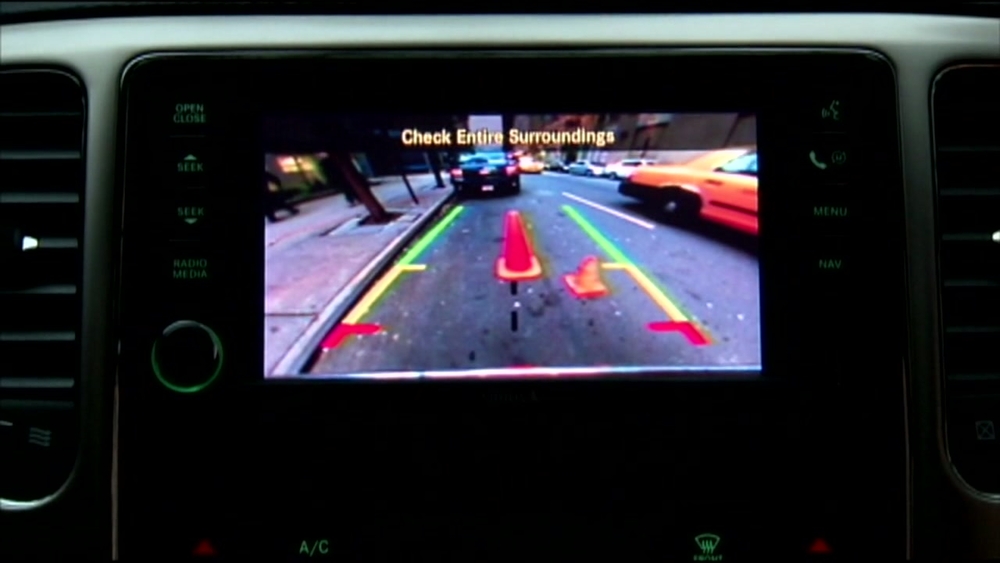
The convenience of backup cameras extends beyond safety. They make parking and maneuvering in tight spaces a breeze. Ever struggled with parallel parking and felt the frustration of making endless adjustments? Backup cameras provide guidance lines that help you park perfectly every time.
Moreover, these cameras reduce the stress associated with reversing in unfamiliar areas. Imagine effortlessly backing out of a spot without the need to twist your neck awkwardly. Backup cameras simplify your driving experience, allowing you to focus on the road ahead.
Are you ready to embrace the ease and efficiency that backup cameras offer? With their ability to transform your driving habits, they are indeed a game-changer in vehicle technology.
Types Of Backup Cameras
Backup cameras have become crucial for modern driving safety. These devices provide drivers with a clear view behind the vehicle. There are two main types of backup cameras: built-in systems and aftermarket options. Each type offers unique features and benefits.
Built-in Systems
Many new cars come with built-in backup cameras. These systems are integrated into the vehicle’s design. They often include a screen on the dashboard. Built-in cameras usually offer high-quality images. Car manufacturers ensure these cameras fit seamlessly with other features. Built-in systems are reliable and convenient. They activate automatically when you shift to reverse.
Aftermarket Options
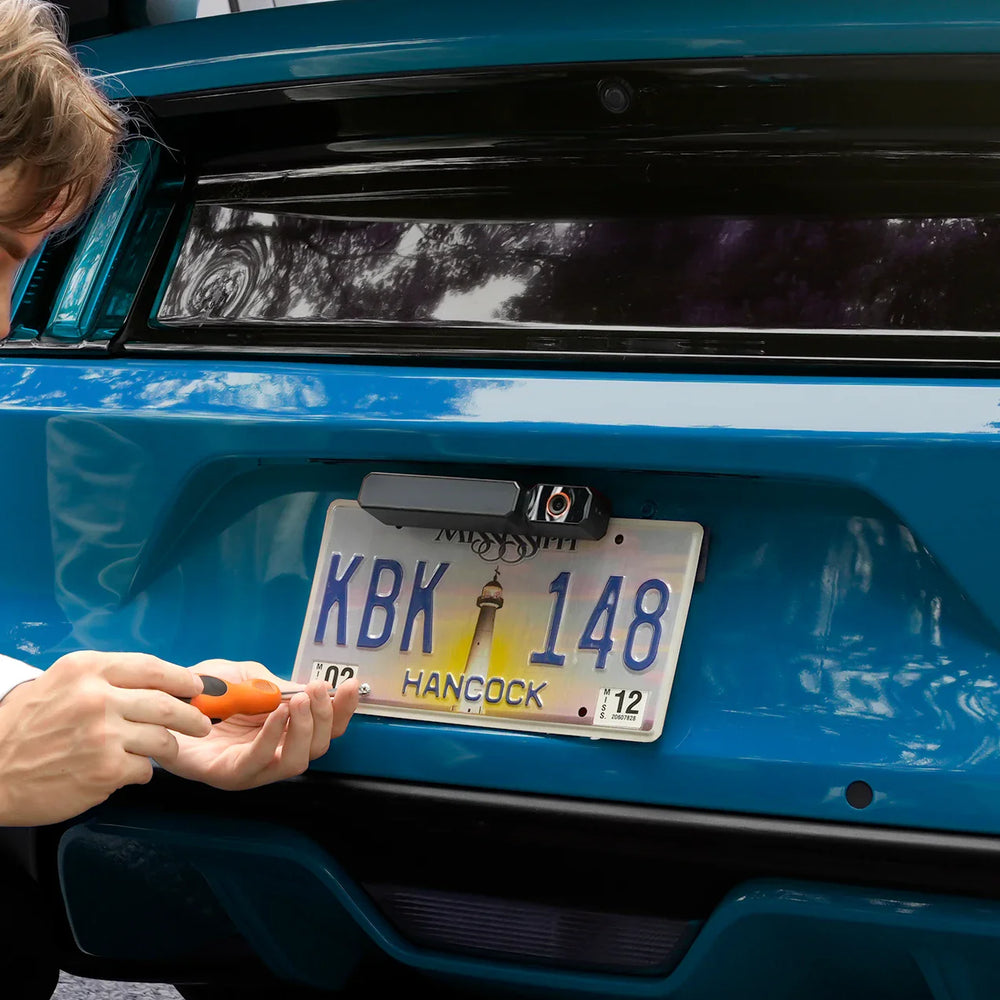
Older cars may not have built-in cameras. Aftermarket options are available for these vehicles. These cameras can be installed easily. They offer flexibility in terms of design and features. Some aftermarket cameras connect to your smartphone. Others come with their own screens. They vary in price, making them accessible for different budgets. Aftermarket cameras can enhance safety without buying a new car.
Installation And Maintenance
Installing and maintaining a backup camera can significantly enhance your driving experience, offering added safety and convenience. Whether your car came with a camera or you’re considering adding one, the process can be straightforward with the right guidance. Let’s explore the choices you have for installation and how to keep your camera in top condition.
Professional Vs. Diy Installation
Choosing between professional and DIY installation depends on your comfort level with car electronics. Professionals offer expertise and can ensure the camera is installed correctly, minimizing the risk of errors. They might also provide a warranty on their work, giving you peace of mind.
On the other hand, DIY installation can be a rewarding experience. It allows you to learn more about your vehicle and save money on labor costs. Numerous online tutorials and guides can help you install the camera yourself, even if you’re a beginner.
Consider your budget and time availability. If you enjoy tinkering with gadgets and have patience, DIY might be the way to go. However, if you prefer a no-fuss approach, hiring a professional could be the ideal choice.
Maintaining Your Camera
Regular maintenance ensures your backup camera continues to function well. Start by keeping the camera lens clean. Dirt and grime can obscure your view, making the camera less effective.
Check the camera’s wiring periodically. Ensure that connections remain tight and free from corrosion, especially after harsh weather conditions. A loose wire might lead to intermittent camera performance.
Update the software if your camera has this capability. Manufacturers sometimes release updates that improve functionality or fix bugs. Staying updated ensures you benefit from the latest features and improvements.
Finally, inspect the camera’s mount and adjust its angle if necessary. This simple step can optimize your view, enhancing safety when reversing. Regular checks can prevent minor issues from becoming costly repairs.

Credit: www.amazon.ca
Cost Considerations
The cost of backup cameras varies widely. Whether buying a new car or upgrading an older model, cost factors play a significant role.
New Car Purchases
Most new cars include backup cameras as standard equipment. The cost of these cameras is often bundled into the overall price. Some luxury models might offer advanced camera systems. These can increase the price significantly. It’s vital to compare prices and features. This helps ensure you’re getting value for your money.
Adding To Older Models
Older cars might not have built-in backup cameras. Adding a camera requires purchasing a separate unit. Prices for aftermarket cameras range from affordable to high-end. Basic models might cost under $100. More advanced systems could be several hundred dollars. Installation costs vary based on complexity. Some owners might install them themselves to save money. Professional installation ensures proper functionality but adds to the overall cost.
Future Of Backup Cameras
Backup cameras are becoming standard in many vehicles, enhancing safety and convenience. Not all cars have them, but newer models often include this feature. As technology advances, backup cameras may become a universal requirement in all vehicles.
The future of backup cameras looks promising and innovative. Cars equipped with backup cameras help drivers see obstacles behind them. As technology progresses, these cameras will become smarter and more integrated.Technological Advancements
Backup cameras are becoming more advanced with each passing year. New models offer high-resolution video and wide-angle lenses. Night vision features are increasingly common, helping in low-light conditions. Some cameras now include object detection and alert systems. These advancements make reversing safer and easier.Integration With Other Systems
Backup cameras are now integrated with other car systems. They work with parking sensors to provide better guidance. Some models link to navigation systems for a comprehensive view. Cameras can display on larger infotainment screens for clear visibility. Integration with smart systems allows for voice-activated commands. This seamless integration enhances the driving experience.
Credit: www.thecarmomofficial.com
Frequently Asked Questions
Do All New Cars Have Backup Cameras?
Since May 2018, all new cars in the U. S. must have backup cameras. This is due to a federal mandate aimed at increasing safety. Older models may not have this feature, so check specifications before purchasing.
Are Backup Cameras Mandatory Worldwide?
Backup camera regulations vary by country. In the U. S. , they’re mandatory for new cars since 2018. The European Union has similar regulations. Always check local laws and requirements to ensure compliance.
Can I Add A Backup Camera To An Older Car?
Yes, you can install a backup camera in an older car. Many aftermarket options are available. These can be easily installed by professionals or DIY enthusiasts. This upgrade can enhance safety and convenience.
How Much Does A Backup Camera Cost?
The cost of a backup camera varies. Basic models start around $50, while high-end systems can exceed $500. Installation costs may vary based on complexity and professional fees. Consider your budget and needs when choosing a camera.
Conclusion
Backup cameras are now standard in most cars. They enhance safety. Older models might lack them, but newer ones almost always have them. Consider upgrading your vehicle if it doesn’t have a backup camera. It’s worth the investment. You get peace of mind while driving.
Parking becomes easier, too. Always check if your car has this feature before buying. It’s crucial for safety. As technology advances, more cars will include backup cameras. Stay informed. Choose wisely when selecting your next car. Safety should be a priority for every driver.