
Have you ever wondered if your car is getting the care it deserves? It’s easy to overlook how often you should wash your car, but the truth is, your vehicle might need more attention than you realize.
Imagine driving with a spotless shine that turns heads and boosts your mood every time you hit the road. Your car’s cleanliness isn’t just about aesthetics; it’s about maintaining its value and ensuring it functions properly. You’ll discover the secrets to finding the perfect washing routine for your car that matches your lifestyle and environment.
Get ready to unlock the benefits of a well-maintained car that will make you proud every time you take the wheel. Keep reading to find out how often you should really be washing your car.
Factors Influencing Wash Frequency
Weather, road conditions, and car usage impact wash frequency. Rainy areas might need more frequent cleaning than dry regions. Regular use on dusty roads demands more washes to maintain appearance and protect the paint.
Washing your car is an essential part of maintaining its appearance and value. However, the frequency at which you should wash it can vary based on several factors. Understanding these factors can help you decide the best routine for keeping your vehicle looking its best. Let’s dive into these considerations.Climate And Weather Conditions
Where you live plays a significant role in determining how often you should wash your car. In areas with lots of rain or snow, your car might get dirtier quickly due to mud and road salts. On the other hand, if you reside in a dry, dusty region, frequent washes might be necessary to keep dust at bay.Driving Habits
Consider how often and where you drive. Regular commuting through urban areas exposes your car to pollutants and grime, requiring more frequent washes. If you drive primarily on highways, bugs and tar might necessitate extra cleaning sessions.Parking Environment
Where you park can affect how often your car needs washing. Parking under trees can lead to sap and bird droppings, while street parking exposes your car to more pollutants. A garage-kept car might stay cleaner longer.Personal Preference And Standards
Your personal standards and pride in your vehicle’s appearance play a part too. Some people prefer their car to always sparkle, washing weekly, while others are okay with a little road dust. Which category do you fall into?Paint And Wax Condition
A well-waxed car can repel dirt and water, reducing the frequency of washes. However, if your car’s paint is older or not maintained, you might need to wash more often to keep it looking fresh. Have you checked your car’s paint lately?Local Pollution Levels
Pollution levels in your area can accelerate the grime build-up on your car. High pollution means more frequent washes to protect the paint from harmful contaminants. Is your city known for high pollution? By considering these factors, you can tailor a washing schedule that fits your lifestyle and keeps your car in top condition. How often do you wash your car, and have you noticed any of these factors at play?
Credit: www.facebook.com
Winter Car Washing Tips
Winter brings challenges for car owners. Snow, ice, and road salt can harm your vehicle. Regular washing is crucial to maintain your car’s appearance and performance. Protect your car from winter grime with these tips.
Dealing With Road Salt
Road salt can damage your car’s paint and metal surfaces. Wash your car every two weeks to remove salt residue. Use a high-pressure rinse to clean thoroughly. Pay attention to wheel wells and bumper areas where salt accumulates.
Consider using a car wash soap designed for winter conditions. These soaps help break down salt and dirt effectively. Wax your car after washing to add an extra layer of protection against salt.
Protecting The Undercarriage
The undercarriage is vulnerable to corrosion from road salt. Spray the undercarriage with water to remove salt and dirt. Use a hose with a nozzle for better reach.
Inspect the undercarriage for rust spots or damage. Apply a rust-proofing spray to prevent further corrosion. Regular checks and treatments can extend your car’s lifespan.
Professional undercarriage treatments are available. These services offer thorough cleaning and protection. Consider scheduling a treatment during winter months.
Spring Cleaning Strategies
Regularly washing your car every two weeks helps maintain its shine and protects the paint. Dirt and grime can damage the surface if left unchecked. Adjust the frequency based on weather conditions and usage.
Spring is a perfect time for a car makeover. The season brings fresh air and blossoms, but also pollen and rain. These elements can affect your car’s appearance and health. Spring cleaning for cars helps maintain shine and protect surfaces.Removing Pollen And Allergens
Pollen can coat your car in a yellow film. This not only dulls the shine but can harm the paint. Regular washing removes pollen build-up. Use a gentle car shampoo and a soft cloth. This prevents scratches. Pay attention to areas like the windshield and hood. They collect the most pollen. Rinse thoroughly to ensure all pollen is gone.Addressing Rainwater Spots
Spring showers leave spots on your car. These spots can damage the paint over time. Wash your car often during rainy seasons. Use a microfiber cloth to dry the surface. This avoids streaks. Consider applying a wax layer. This creates a barrier against rainwater. Waxing keeps your car looking fresh and shiny.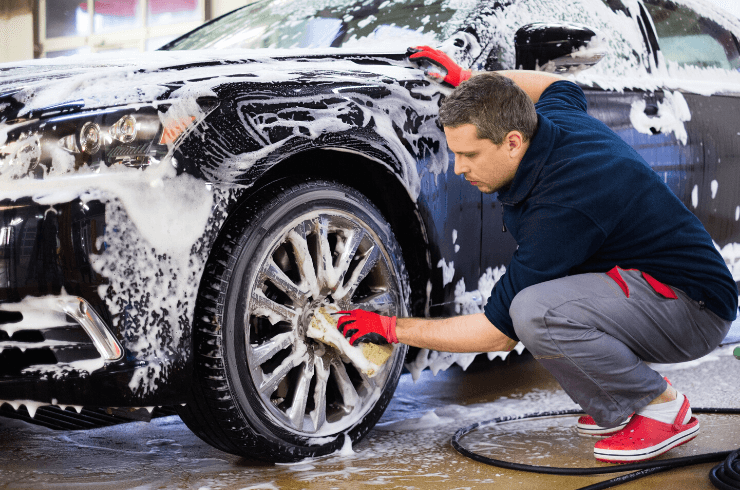
Credit: www.washdoctors.co.uk
Summer Car Care Routine
Summer is the season when your car needs extra attention. With the sun blazing and dry winds blowing, maintaining your vehicle’s appearance becomes a challenge. Your summer car care routine should be all about defending against the elements and keeping your ride looking sharp. Whether you’re cruising to the beach or heading out for a road trip, keeping your car clean and protected is essential. Let’s delve into the specifics that can make or break your car’s summer look.
Battling Dust And Dirt
During summer, dust and dirt seem to cling to your car like a magnet. Every drive can leave a layer of grime that dulls its shine. Make it a habit to wash your car weekly. Use a microfiber cloth and a gentle car shampoo to preserve the paint. Regular cleaning not only enhances the appearance but also prevents scratches caused by accumulated dirt.
Sometimes, a quick rinse isn’t enough. Consider using a clay bar for a deeper clean. It removes stubborn contaminants and leaves the surface smooth. If you’ve ever noticed tiny spots after washing, clay bar treatment might be your new best friend.
Guarding Against Sun Damage
The summer sun can be ruthless on your car’s paint job. Prolonged exposure leads to fading and oxidation. It’s crucial to apply a high-quality wax or sealant. These products act as a sunscreen for your car, protecting it from UV rays.
Beyond the exterior, the interior needs care too. Use sunshades to protect the dashboard and seats from cracking or fading. If you’ve ever felt the burn of a hot seat, you’ll appreciate the difference sun protection makes. Do you really want your car’s interior to age faster than it should?
Remember, a little effort goes a long way in preserving your car’s beauty. What steps will you take to ensure your car stays stunning all summer long?
Autumn Maintenance Advice
Autumn brings a picturesque backdrop with its vibrant colors, but it also presents unique challenges for car maintenance. As leaves fall and trees shed debris, your car might find itself under nature’s decorative assault. It’s crucial to adapt your washing routine to protect your vehicle from seasonal wear and tear. Let’s dive into some essential autumn maintenance advice to keep your car in tip-top shape.
Handling Fallen Leaves
Fallen leaves can be more than just a pretty sight; they can wreak havoc on your car’s exterior and undercarriage. Wet leaves can stick to the surface, trapping moisture and leading to paint damage or rust. Regularly clearing leaves from your car can prevent these issues.
Consider using a soft brush or a leaf blower to gently remove leaves from your car’s surface. Pay particular attention to areas like the windshield wipers and the spaces between the hood and windshield, where leaves tend to accumulate. Don’t let leaves pile up in your wheel wells or under your car, as they can create a damp environment conducive to rust.
Preventing Sap And Tree Debris
Parking under trees might seem ideal, but it exposes your car to sap and other debris. Tree sap is notorious for being difficult to remove and can damage your car’s paint if left untreated. It’s essential to wash your car regularly to prevent sap from hardening and becoming a permanent fixture on your vehicle.
Use a specialized sap remover or a mixture of warm water and dish soap to gently scrub sap spots off your car. Be sure to rinse thoroughly to avoid soap residue. Additionally, consider using a car cover if you often park under trees. This simple step can save you from dealing with sticky sap and other annoying debris.
Have you ever found your car covered in a sticky mess after parking under a seemingly harmless tree? Share your experiences and tips in the comments below!
Best Practices For All Seasons
Washing your car regularly keeps it looking new and protects its value. Each season has unique challenges that affect how often you should wash your car. By following best practices for all seasons, your car remains in top condition year-round.
Choosing The Right Cleaning Products
Selecting the right cleaning products is crucial. Use a pH-balanced car shampoo to avoid damaging the paint. Microfiber cloths are gentle and effective for drying. In winter, choose a product that removes road salt. In summer, opt for a cleaner that tackles bugs and tar. Always read product labels for best results.
Frequency Of Waxing
Waxing adds a protective layer to your car’s surface. Wax every three months for optimal protection. In harsh climates, consider waxing more often. Waxing helps shield against UV rays, rain, and road grime. It also makes washing easier by repelling dirt. Regular waxing maintains your car’s shine and longevity.
Environmental Considerations
Washing a car less frequently helps conserve water and reduce chemical runoff into the environment. Aim for a wash every two weeks, considering local climate and pollution levels.
When you think about washing your car, environmental considerations might not be the first thing that comes to mind. But how you wash your car can have a significant impact on the planet. It’s crucial to be mindful of water usage and the cleaning products you use.Water Usage And Conservation
Washing a car can use up to 100 gallons of water if you’re not careful. That’s a staggering amount, especially in areas where water is scarce. Consider using a nozzle on your hose to control the flow or opt for waterless car wash products. Another effective strategy is washing your car on your lawn. This allows water to nourish the grass instead of flowing into the street. Simple changes can make a big difference in reducing your water footprint.Eco-friendly Cleaning Solutions
Many traditional car cleaning products contain harsh chemicals that can harm the environment. Opt for biodegradable soaps and detergents that are less harmful to aquatic life. Check the labels for terms like “non-toxic” and “phosphate-free.” You might be surprised to find that some eco-friendly products work just as well, if not better, than their chemical-laden counterparts. Have you tried using vinegar and baking soda for stubborn spots? They’re natural, effective, and safe for the environment. Being environmentally conscious doesn’t mean sacrificing cleanliness. It means being smart about the choices you make. What steps will you take to ensure your car washing routine is eco-friendly?
Credit: www.instagram.com
Frequently Asked Questions
How Often Should You Wash Your Car?
Washing your car every two weeks is generally recommended. This frequency helps maintain its appearance and protect the paint. However, if you live in an area with harsh weather or salty roads, consider washing it weekly. Regular washes prevent dirt buildup and protect your car’s finish.
Does Washing Your Car Too Often Harm It?
Washing your car too often can strip away wax and protective coatings. However, using the right techniques and products minimizes damage. Choose pH-balanced soaps and soft cloths. Regular washing keeps your car clean without causing harm, preserving its paint and finish for longer.
Can I Wash My Car In Winter?
Yes, you can and should wash your car in winter. Snow, salt, and road grime can damage your car’s exterior. Washing it regularly during winter prevents rust and preserves its appearance. Ensure you dry it thoroughly to avoid freezing locks and windows.
Is Hand Washing Better Than Automated Washes?
Hand washing offers more control and precision, avoiding potential scratches from automated brushes. However, automated washes are convenient and time-saving. Choose a method based on your preference and time availability. Ensure either method uses gentle products to protect your car’s finish.
Conclusion
Washing your car regularly keeps it looking great. It also helps protect the paint. Dust and dirt can cause damage over time. So, consider a wash every two weeks. This schedule suits most cars and climates. Use quality products for the best results.
Don’t forget the interior. A clean inside feels good too. Remember, your car reflects your care. Regular washing maintains its value and appeal. Find a routine that fits your lifestyle. Happy car cleaning!