
Have you ever wondered what really happens on the road when you’re driving? Imagine having an extra pair of eyes that never blink, capturing every moment of your journey.
That’s exactly what a car dash cam does for you. With its increasing popularity, understanding how a dash cam works can not only keep you informed but also empower you to make smarter decisions on the road. Whether you’re keen on protecting yourself in case of accidents or simply curious about its technology, knowing the ins and outs of a dash cam can change the way you view your drives.
Dive into the fascinating world of dash cams and discover how this tiny device can offer you peace of mind and a sense of security every time you start your engine.

Credit: www.redtigercam.com
Dash Cam Technology
Dash cam technology has revolutionized the way we ensure safety and accountability on the road. These small devices, often mounted on your car’s dashboard or rearview mirror, are equipped with sophisticated technology to capture footage in real-time. Understanding how this technology works can help you choose the right dash cam for your needs and maximize its benefits.
Core Components
The heart of any dash cam lies in its core components. At its most basic, a dash cam includes a lens, a processor, and storage media. The lens captures the footage, while the processor handles the video compression and storage. Many dash cams also have built-in GPS and sensors to record speed and direction, adding layers of data to your footage.
Some models feature night vision capabilities, allowing you to record clear footage even in low-light conditions. Imagine driving home late at night and knowing that your dash cam is still capturing every detail. Your peace of mind is reinforced by these advanced features.
Types Of Dash Cams
Choosing the right type of dash cam depends on your specific needs. There are single-channel dash cams, which record footage from the front of the vehicle. These are ideal if you’re primarily concerned with capturing incidents ahead.
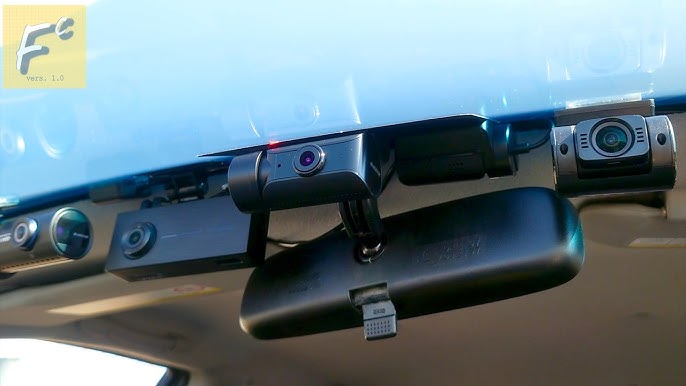
Dual-channel dash cams, on the other hand, record footage from both the front and rear of your vehicle. This is particularly useful if you often park in busy areas or want extra coverage in case of rear-end collisions.
Some dash cams even offer cloud connectivity, allowing you to access your footage remotely. This is particularly beneficial if you’re managing a fleet of vehicles and need to monitor them in real-time.
Have you ever considered how a dash cam could enhance your driving experience? Whether it’s capturing beautiful road trips or providing evidence in an accident, understanding dash cam technology helps you make informed choices. With so many options available, what features would make a dash cam indispensable for you?
Installation Process
Installing a car dash cam involves mounting the device on the windshield using suction or adhesive. Connect the power cable to the car’s cigarette lighter or fuse box. Adjust settings on the dash cam for optimal video recording.
Installing a car dash cam might seem daunting at first, but with a few simple steps, you can ensure your camera is ready to capture every moment on the road. Proper installation is crucial for optimal performance and longevity. Let’s dive into the key aspects of setting up your dash cam.Placement And Positioning
Choosing the right spot for your dash cam is the first step. Ideally, it should be positioned behind the rearview mirror. This placement ensures it doesn’t obstruct your view while driving. Ensure the lens has a clear view of the road. Adjust the angle to capture both lanes and the horizon. A good rule of thumb is to keep the horizon line in the upper third of the frame. Consider using a small spirit level or your smartphone’s leveling app to ensure the cam is not tilted. This helps in maintaining a balanced view of the road. Remember, the right position can significantly enhance the footage quality.Wiring And Connectivity
Once positioned, the next step involves wiring. Start by connecting the power cable to the dash cam. Most models come with a long cord that runs along the car’s interior trim. Tuck the wire neatly into the headliner, down the A-pillar, and into the dashboard. This keeps the setup tidy and prevents any wires from dangling. You can choose between connecting to the cigarette lighter socket or opting for a more permanent hardwire kit. The latter connects directly to your car’s fuse box, offering a cleaner look and freeing up your socket for other uses. Ensure that the dash cam is connected to your smartphone or GPS for additional features like real-time footage viewing and location tracking. Regularly check connections to avoid any interruptions in power or data transfer. Are you ready to capture every journey with your dash cam? The right installation can make all the difference.Recording Features
Car dash cams record video while you drive, capturing everything in front of the vehicle. They start recording automatically when you turn on the engine, storing footage on a memory card. Easy to install, these cameras offer peace of mind by providing evidence in case of accidents or incidents.
Car dash cams have become essential for many drivers. They provide crucial evidence during incidents. Their recording features ensure constant monitoring and safety. Let’s explore these features.Continuous Loop Recording
Dash cams use continuous loop recording. This feature captures video non-stop. When the memory card is full, old videos get replaced. This ensures that the latest footage is always available. It saves space and keeps the most relevant data. Drivers don’t worry about missing important events.Event Detection And Alerts
Event detection is another key feature. Dash cams can sense sudden movements or impacts. They automatically save footage from these events. This prevents overwriting critical moments. Alerts notify drivers of such occurrences. They provide immediate awareness of potential issues.Data Storage Options
Understanding how car dash cams store data is crucial. Different storage options impact the functionality and reliability of your dash cam. Choosing the right method ensures you capture and retain important footage.
Internal Memory Vs. Sd Cards
Many dash cams come with built-in internal memory. This offers convenience but may have limited space. Internal memory provides quick access to recorded videos without additional components. However, the storage capacity might not be enough for long recordings. SD cards are a popular alternative. They offer expandable storage and are easy to replace. You can choose the size based on your recording needs. SD cards are portable, making it simple to transfer files to a computer.
Cloud Storage Solutions
Cloud storage is becoming a preferred option for dash cam users. It offers remote access to your footage from anywhere. Cloud solutions provide peace of mind, as they protect data from physical damage or theft. Some dash cams connect directly to cloud services, automatically uploading videos. This ensures your recordings are safe and retrievable. Cloud storage usually involves subscription fees, but many find the benefits worth the cost. It allows for longer storage durations without worrying about space.
Enhancing Road Safety
Car dash cams enhance road safety by recording video footage while driving. Mounted on the windshield, these cameras capture incidents, offering clear evidence. They help in accident disputes, insurance claims, and monitoring driver behavior.
Enhancing Road Safety In today’s fast-paced world, ensuring safety on the roads is more crucial than ever. Car dash cams have emerged as a reliable tool in this endeavor, offering peace of mind to drivers everywhere. By providing clear footage of your journeys, they not only capture memories but also serve as an essential safety device.Accident Evidence Collection
Imagine you’re driving home after a long day, and suddenly, another car swerves into your lane, causing a collision. In such stressful situations, recalling the exact details can be challenging. A dash cam helps by automatically recording the incident, providing clear evidence of what transpired. This footage can be invaluable when dealing with insurance claims or legal matters, saving you from potential disputes and misunderstandings. With video evidence, you can easily demonstrate your innocence, ensuring that justice is served without unnecessary hassle.Driver Behavior Monitoring
Have you ever wondered how you really drive? Dash cams can shed light on your driving habits, offering insights into areas where you might need improvement. By reviewing the footage, you can identify patterns like frequent hard braking or speeding. This self-awareness can lead to safer driving habits, ultimately reducing the risk of accidents. Moreover, if you manage a fleet of vehicles, monitoring driver behavior ensures that everyone adheres to safety protocols. This not only protects your drivers but also enhances the safety of other road users. Wouldn’t you feel more secure knowing that you’re proactively contributing to safer roads?Legal Implications
Understanding the legal implications of car dash cams is essential. They record footage that can be used in disputes, but privacy laws vary. It’s crucial to know local regulations to ensure compliance and avoid legal issues.
Navigating the legal implications of using car dash cams can be a tricky affair. While these devices offer undeniable benefits, they also come with a range of legal considerations that you need to be aware of. Understanding these implications is crucial to ensure that you stay on the right side of the law while capturing those important moments on the road.Privacy Concerns
Privacy is a major concern when using dash cams. You might think that recording your own drive is harmless, but what about capturing others without their consent? This is where things get complicated. In some regions, you could be infringing on privacy laws by recording individuals without their permission. Consider the scenario where your dash cam records pedestrians or vehicles with identifiable information. This footage could inadvertently violate privacy regulations, leading to potential legal issues. It’s essential to understand the privacy laws in your area and ensure your dash cam usage respects them.Regulations And Compliance
Dash cam regulations vary widely depending on where you are. Some countries have specific laws governing their use, while others might not have any at all. Knowing the regulations in your region is crucial. For instance, in certain places, using a dash cam might be entirely legal, but sharing footage publicly without consent could land you in hot water. Compliance with these regulations ensures you can use your dash cam without facing legal repercussions. Are you aware of the dash cam laws in your area? It’s worth checking local guidelines to avoid any unexpected legal challenges. Understanding these rules not only protects you but also ensures that your dash cam serves its intended purpose without complications.Future Of Dash Cams
Discover the future of dash cams by understanding their workings. These devices record real-time footage while driving, using wide-angle lenses and sensors to capture every detail. As technology advances, dash cams are becoming smarter and more integrated with features like GPS and voice control, enhancing road safety and driving experience.
The future of dash cams promises exciting changes. These devices are becoming more than just passive recorders. Their roles in vehicle safety and data collection are expanding.Technological Advancements
Dash cams are evolving with technology. High-resolution cameras capture clearer images and videos. Night vision features improve visibility in low light. Advanced sensors detect sudden movements or impacts. Some models even alert drivers to lane departures. Cloud storage options are becoming more common. This allows for easy access to footage anytime. These advancements enhance the reliability of dash cams.Integration With Smart Vehicles
Smart vehicles are the future of transportation. Dash cams will play a key role in this evolution. They can integrate with vehicle systems for enhanced safety. Some dash cams already sync with smartphones. This allows users to control settings remotely. Newer models may connect to a car’s infotainment system. This integration can provide real-time data to drivers. It enhances the overall driving experience. Smart vehicle integration makes dash cams more versatile.
Credit: www.youtube.com

Credit: ldas.ca
Frequently Asked Questions
What Is A Car Dash Cam?
A car dash cam is a small recording device mounted on a vehicle’s dashboard. It captures video footage of the road and surroundings. This footage can be used for insurance claims, legal evidence, or personal review. Dash cams often include features like night vision, GPS, and motion detection.
How Does A Dash Cam Record Video?
Dash cams use wide-angle lenses to capture footage. They automatically start recording when the car starts. Videos are saved to a memory card in a loop, overwriting old footage. Some models include G-sensors that trigger recording during sudden movements or impacts, ensuring critical incidents are captured.
Do Dash Cams Work At Night?
Yes, most modern dash cams work at night. They come equipped with infrared LEDs or night vision technology. This allows them to capture clear footage even in low light conditions. High-quality dash cams provide better night-time clarity, ensuring important details are visible in the dark.
Can A Dash Cam Record While Parked?
Yes, many dash cams have parking mode features. This feature allows them to record even when the car is off. They detect motion or impacts and start recording automatically. This is useful for capturing incidents like vandalism or hit-and-runs when the car is parked.
Conclusion
Understanding car dash cams is simple. They record video while you drive. This footage can help in accidents. It provides clear evidence. Dash cams store data on memory cards. They activate automatically when you start your car. Their small size makes them easy to install.
Some offer extra features like GPS tracking. Choose one that fits your needs. Safety and security are their main benefits. With a dash cam, you drive confidently. You’re prepared for unexpected events. Now, you know how they work. Consider adding one to your vehicle.
It’s a smart investment for peace of mind.