
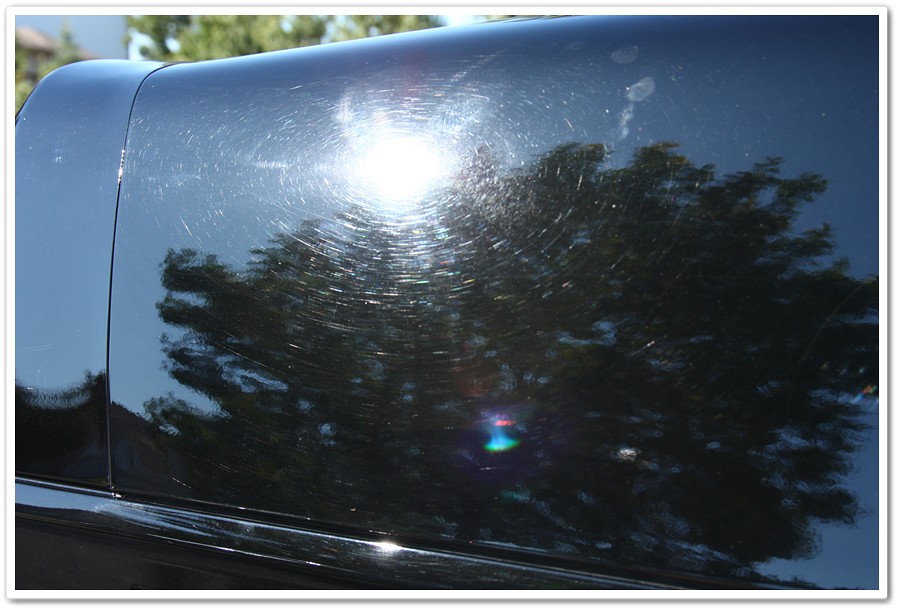
Have you ever rolled into a car wash, wondering if your shiny vehicle will come out just as pristine—or if you’re risking unseen damage? You’re not alone.
This question haunts many car owners like you, who want the best for their beloved vehicles. Your car is more than just a mode of transportation; it’s an investment, a source of pride, and sometimes even a reflection of your personality.
And yet, the very act of keeping it clean might be causing harm. Imagine driving your car through those spinning brushes, the high-pressure jets, and the colorful soaps. It seems harmless, right? But what if these routine washes are quietly wearing away your car’s finish or causing minute scratches? Your mind might picture those tiny blemishes growing over time, slowly diminishing your car’s value. Understanding whether car washes damage your car is crucial. You deserve to know if your regular car wash is a friend or foe to your vehicle’s longevity. Keep reading, and we’ll explore whether your usual clean-up routine is safe or if there might be hidden risks you need to know about. Let’s dive into what really happens when your car goes through a wash, ensuring you make the best choices to keep your ride looking as good as new.
Credit: blisscarwash.com
Types Of Car Washes
Choosing the right car wash type can impact your vehicle’s condition. Different washes offer unique benefits and drawbacks. Understanding each type helps make informed decisions for your car’s care.
Automatic Car Wash
Automatic car washes are convenient. They use machines to clean your car quickly. These washes often use brushes. Brushes might cause minor scratches on the paint. Some newer systems use softer materials. These can reduce the risk of damage.
Hand Car Wash
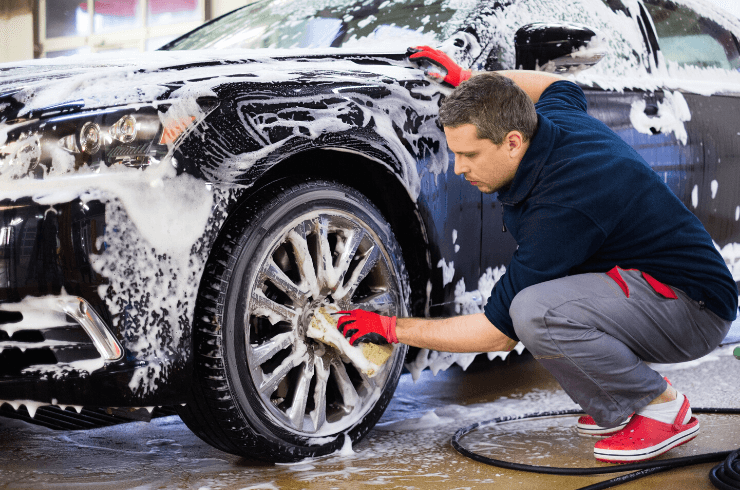
Hand car washes offer a personal touch. Workers clean your car by hand. This method is usually gentle on your car’s paint. It allows for detailed cleaning. Hand washes can be more time-consuming. They might cost more than automatic washes.
Touchless Car Wash
Touchless car washes use high-pressure water and chemicals. No brushes touch your car. This reduces the risk of scratches. Touchless washes might not remove all dirt. Some stubborn spots may need extra attention.
Self-service Car Wash
Self-service car washes let you clean your car yourself. You control the process. You can use high-pressure hoses and brushes. Be careful with the brushes. They might have dirt from previous use. Using your own tools is often safer.
Potential Risks Of Car Washes
Car washes are a convenient way to keep your vehicle looking pristine, but they can come with certain risks. While it’s tempting to drive through for a quick clean, you might be surprised to learn what could happen to your car. Understanding these potential risks can help you make informed decisions about how to care for your vehicle.
Paint Scratches And Swirl Marks
Have you ever noticed tiny scratches or swirl marks on your car’s paint after a wash? These imperfections can be caused by abrasive materials used in automatic car washes. Brushes and cloths may contain dirt or debris from previous washes, leading to scratches on your car’s surface. Opting for a hand wash or touchless wash can reduce this risk.
Damaged Antennas And Mirrors
Automatic car washes often use large rotating brushes that can snag antennas or mirrors. If you’ve ever heard a loud thud during a wash, it could be your car’s antenna or mirror taking a hit. Make sure to retract antennas and fold in mirrors before entering the wash to prevent damage. Manual washes offer more control, minimizing the risk of breakage.
Water Spots And Residue
Do you find pesky water spots on your car after a wash? Hard water and leftover soap can leave residue on your vehicle’s surface, which can be difficult to remove. These spots can dull your car’s finish over time. Using a microfiber towel for drying and applying a wax or sealant can help maintain your car’s shine. Have you tried using distilled water for the final rinse?
Impact On Car Finish
Car washes are convenient for maintaining a vehicle’s cleanliness. Yet, their impact on the car’s finish can vary. Understanding these effects helps in preserving your car’s look and value.
Wax And Protective Coatings
Wax and protective coatings shield your car’s paint. They act as barriers against dirt and pollutants. Frequent washing can strip these protective layers. This leaves the paint exposed. Choosing a gentle wash method preserves these coatings. Hand washing with soft cloths can be beneficial. Automatic car washes might be harsher. They may use strong detergents that affect the coatings. Consider reapplying wax periodically for extra protection.
Fade And Oxidation
Fade and oxidation change the car’s appearance over time. Sunlight and chemicals contribute to this process. Regular washing removes harmful residues that cause oxidation. Yet, using abrasive tools can hasten fading. Soft brushes and cloths prevent excessive wear. Paint sealants can also help. They provide a layer against UV rays. This minimizes fading and maintains the car’s shine. Proper care extends the lifespan of your car’s finish.
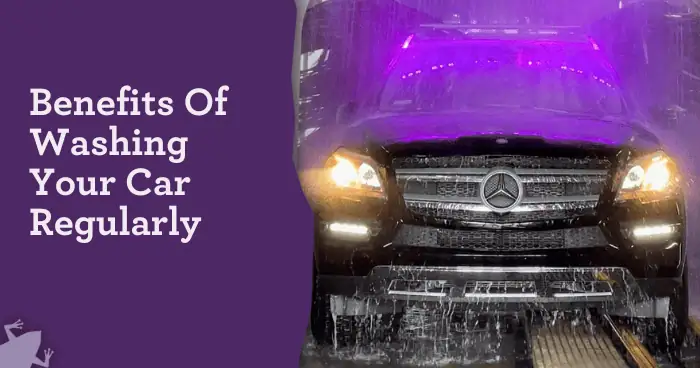
Benefits Of Regular Car Washing
Regular car washing offers numerous benefits for your vehicle. A clean car not only looks good but also protects against damage. Dirt and grime can harm your car’s exterior. Frequent washes help maintain its beauty and functionality.
Preventing Rust And Corrosion
Rust is a car owner’s nightmare. It can eat away metal parts, weakening the structure. Regular washing removes salt and dirt, which cause rust. Especially in winter, road salt is a big threat. By keeping your car clean, you prevent rust and corrosion.
Maintaining Resale Value
A clean car holds its value better. Potential buyers judge a car’s condition by its appearance. Regular washing keeps the paint fresh and shiny. It also reduces scratches and blemishes. A well-maintained car attracts more buyers and higher offers.
Choosing A Safe Car Wash Method
Choosing a safe car wash method is crucial to preserving the shine and integrity of your vehicle. With a myriad of options available, it’s easy to feel overwhelmed. However, understanding the equipment and products used can make all the difference. Let’s explore how you can ensure your car remains spotless without any damage.
Evaluating Equipment And Techniques
Not all car washes are created equal. When considering a car wash service, take a moment to evaluate the equipment they use. Automatic car washes with soft cloth materials are generally safer than those with abrasive brushes that can scratch your car’s surface.
Think about the techniques employed. Hand washes often offer a personal touch, ensuring dirt is thoroughly removed. Ask yourself, does the service include a pre-soak or a rinse to remove loose dirt? These steps are vital in preventing scratches.
Importance Of Quality Products
The products used in the washing process play a pivotal role in keeping your car’s paint pristine. Quality soaps and waxes can enhance your car’s appearance, while harsh chemicals may strip away protective layers.
Consider the environmental impact too. Opt for biodegradable products that are gentle both on your car and the planet. Have you ever noticed a residue or water spots after a wash? This might indicate inferior products that can lead to long-term damage.
In summary, investing time in choosing a safe car wash method can prevent unwanted wear and tear. It’s about balancing the right equipment and quality products to keep your car looking its best. What steps will you take the next time you wash your car?
Diy Car Washing Tips
Washing your car at home can save money and be satisfying. With the right approach, your car will shine without damage. DIY car washing requires proper tools and techniques. Let’s explore some tips to ensure a safe and effective wash.
Proper Tools And Supplies
Gathering the right tools is crucial for a successful wash. Use a bucket, car wash soap, and a soft sponge. Avoid household detergents; they strip wax and harm paint. Invest in microfiber towels for drying. They reduce the risk of scratches. A hose with a spray nozzle ensures thorough rinsing. Consider a wheel brush for tire cleaning. These tools help maintain your car’s finish.
Correct Washing Techniques
Start by rinsing the car to remove loose dirt. Work from the top down for the best results. Use gentle circular motions with your sponge. Rinse the sponge frequently to avoid scratches. Wash sections one at a time to prevent soap drying. Dry with microfiber towels to avoid water spots. Pay special attention to crevices and wheels. Proper techniques keep your car looking new.
Environmental Considerations
Understanding environmental considerations is crucial when assessing car wash impacts. Some washes use harsh chemicals that may harm your car’s paint. Automatic brushes can also scratch surfaces, leading to long-term damage.
Environmental considerations are crucial in car washes. Many car owners care about their environmental impact. Car washes can affect the environment. Water usage and chemical runoff are primary concerns. Choosing the right car wash makes a big difference.Water Usage And Waste Management
Car washes use a lot of water. Traditional car washes can waste gallons. Automatic car washes might use less water per wash. The water used often contains soap and chemicals. This water can flow into drains, harming local ecosystems. Managing waste water is essential. Some car washes recycle water to minimize waste. This helps reduce environmental harm.Eco-friendly Car Wash Options
Eco-friendly car washes are gaining popularity. These options use less water and safer products. Waterless car washes are an example. They clean cars with special sprays, using little water. Biodegradable soaps are another choice. They break down naturally, causing less pollution. Some car washes use solar power. This reduces energy consumption, making them greener. Choosing eco-friendly options helps protect the planet.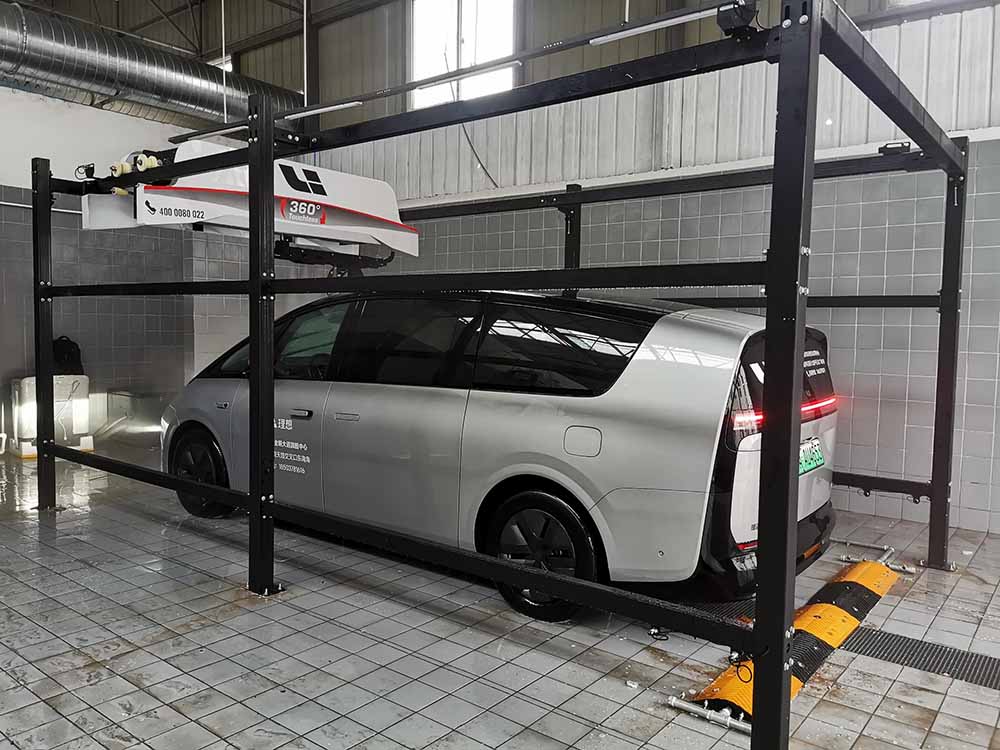
Credit: www.mattiascarwash.com
Credit: www.washdoctors.co.uk
Frequently Asked Questions
Can Car Washes Scratch Your Paint?
Automated car washes can sometimes cause minor scratches. This happens when brushes and cloths are not well-maintained. These scratches are usually superficial and can be polished out easily. Regular hand washing with proper tools and techniques can minimize the risk of damage.
Do Car Washes Harm Car Finishes?
Frequent car washes can potentially degrade protective coatings. Harsh chemicals and abrasive materials can wear down wax or sealant. Choosing a gentle wash method and regular maintenance can help preserve your car’s finish.
Are Touchless Car Washes Safer?
Touchless car washes reduce the risk of scratches. They use high-pressure water and detergents instead of brushes. However, they might not clean as thoroughly, especially for stubborn dirt. They are safer for your car’s surface.
Can Car Washes Damage Side Mirrors?
Side mirrors can be vulnerable in automatic car washes. Brushes might hit mirrors if not positioned correctly. It’s advisable to fold mirrors in, if possible, to reduce the risk of damage.
Conclusion
Car washes can affect your car’s condition. Automatic ones sometimes scratch paint. Hand washes are gentler, but take time. Waterless washes save water, but need good technique. Regular maintenance protects your car’s shine. Choose your wash method wisely. Check for hidden damage after washing.
Inspect the car’s surface. Look for scratches or dents. Pay attention to detail. Protect your investment by washing safely. Clean regularly to prevent dirt buildup. Keep paint fresh and vibrant. A clean car lasts longer. Enjoy the benefits of a well-maintained vehicle.
Keep it looking great.