
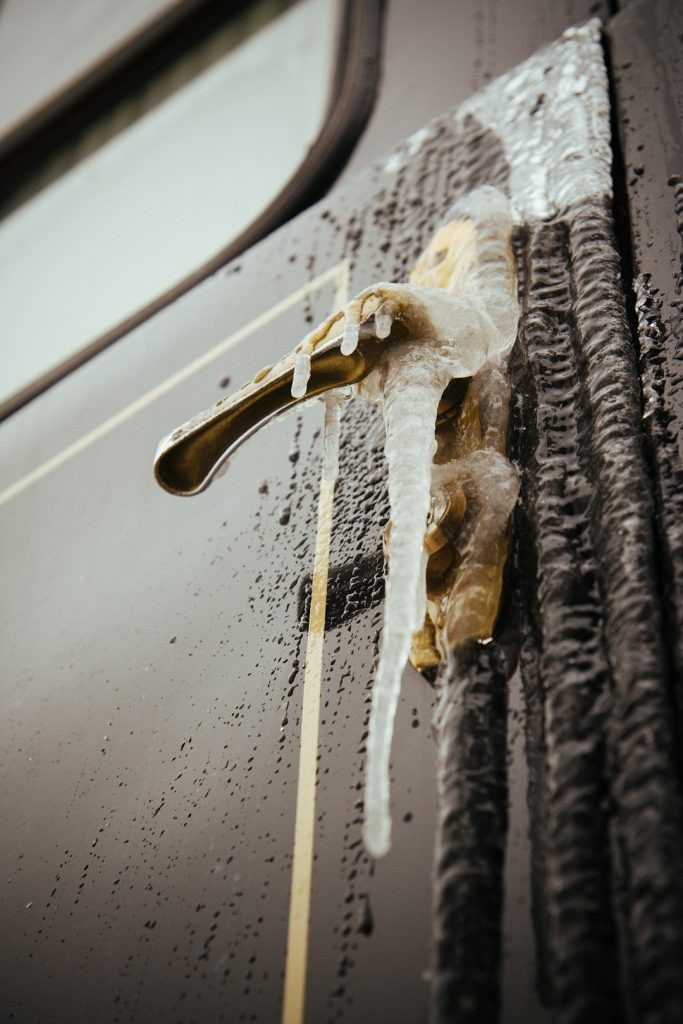
Imagine driving your car down the road, the sunlight glinting off its shiny surface, and feeling a sense of pride as people admire it. But beneath that glossy exterior, hidden dangers could be lurking.
Rust is a silent enemy that can eat away at your car’s body, threatening its longevity and value. You might wonder, “How often should I wash my car to prevent rust? ” The answer isn’t as simple as you might think, but it’s crucial for maintaining your vehicle’s health.
You’ll discover the ideal washing frequency to keep rust at bay, ensuring your car stays in top shape. Dive in to learn the secrets of preserving your car’s beauty and functionality.

Credit: www.consumerreports.org
Importance Of Regular Car Washing
Regular car washing helps prevent rust and maintains your vehicle’s appearance. Washing every two weeks can protect against corrosive elements like salt and grime, extending your car’s lifespan.
Washing your car regularly is essential for maintaining its appearance and longevity. Regular car washing prevents dirt buildup and protects the paint from damage. It also helps in preventing rust, which can affect the structural integrity of your vehicle. Rust is often caused by moisture and contaminants that accumulate on the car’s surface. By washing your car, you remove these elements, ensuring a longer lifespan for your vehicle.Why Regular Car Washing Matters
Car washing removes dirt, grime, and road salt. These elements can lead to rust if left unchecked. Regular washing ensures your car stays clean and rust-free.Protecting Your Car’s Paint
Dirt and debris can scratch and dull the paint. Regular washing keeps the paint intact and vibrant. Clean paint acts as a barrier against rust.Preventing Rust Formation
Rust forms when moisture meets metal surfaces. Washing removes moisture and prevents rust. It’s a simple step that protects your car’s metal parts.Enhancing Your Car’s Resale Value
A well-maintained car looks better to potential buyers. Regular washing helps maintain the car’s appearance. This can enhance its resale value significantly.Saving Money On Repairs
Rust can lead to expensive repairs. Regular washing prevents rust, saving you money. It’s a cost-effective way to maintain your car’s health.Maintaining Safety And Performance
Rust can affect your car’s performance. Regular washing ensures safety by preventing rust-related issues. It keeps your car running smoothly.Factors Affecting Car Wash Frequency
Washing your car regularly is crucial to maintain its shine and prevent rust. But how often should you really be doing it? The answer isn’t one-size-fits-all. A variety of factors can influence your car wash frequency, helping you decide the best routine for your vehicle. Let’s dive into some key considerations that can guide your decision.
Climate Conditions
Climate plays a significant role in how often your car needs a wash. If you live in a humid area, moisture can speed up the rusting process. Conversely, dry climates might allow you to extend the time between washes.
Think about the weather patterns in your region. Frequent rain or snow can mean more dirt and grime buildup. In these cases, a weekly wash might be necessary to keep rust at bay.
Driving Habits
Your driving habits can also dictate wash frequency. Are you an everyday commuter, or do you use your car only on weekends? Daily driving exposes your car to more dirt and pollutants.
Consider how often you’re hitting the road. If you’re frequently driving through construction zones or areas with lots of debris, your car might need more attention. Regular washing can prevent these elements from damaging your vehicle.
Road Salt Exposure
Road salt is a major rust accelerator. If you live in a region where roads are salted during winter, your car is at a higher risk of rust. Salt sticks to the undercarriage and can quickly corrode metal.
After snowstorms, it’s critical to wash your car to remove salt residues. Even if it’s freezing outside, a quick rinse can save your car from long-term damage. Would you rather spend money on frequent washes or costly rust repairs?
Understanding these factors can help you develop a personalized car wash schedule. Are you ready to keep your car looking and performing at its best? Don’t let rust sneak up on you—stay proactive and protect your investment.
Signs Your Car Needs Washing
Keeping your car clean is crucial not just for its appearance but also for its longevity. Regular washing can prevent rust, a common enemy that can silently damage your vehicle. But how do you know when it’s time to roll up your sleeves and give your car a good wash? Here are some clear signs that your car is crying out for attention.
Visible Dirt And Grime
Have you noticed a dull layer covering your car’s once shiny surface? Visible dirt and grime are telltale signs. If your car looks more gray than its original color, it’s time for a wash. The longer these particles sit, the more they attract moisture, a precursor to rust.
Surface Contaminants
Bird droppings, tree sap, and bugs are not just unsightly; they can be corrosive. These contaminants, if left unchecked, can damage your car’s paint and invite rust. A quick wash can remove these pesky invaders and save your car’s exterior.
Rust Spots And Paint Damage
Check for small rust spots or paint chipping. These are serious signs that washing is overdue. Rust can start from a tiny scratch and spread quickly. Regular washing can prevent this damage, keeping your car’s paint intact and rust at bay.

Credit: www.carhub.ca
Best Practices For Car Washing
Keeping your car clean is more than just about aesthetics; it’s a crucial practice for preventing rust. While it might seem like a chore, washing your car regularly can significantly extend its lifespan. Let’s dive into the best practices for car washing that will keep your vehicle gleaming and protected.
Choosing The Right Cleaning Products
Not all cleaning products are created equal. Using the wrong ones can damage your car’s paint and accelerate rust formation. Choose a pH-balanced car wash soap, specifically designed for automobiles. Avoid using household cleaning agents like dish soap, which can strip away protective wax layers.
Consider investing in a high-quality microfiber wash mitt. It traps dirt and grime effectively without scratching the surface. As a bonus, it feels great to glide over your car’s curves, knowing you’re doing it right!
Optimal Washing Techniques
Washing your car in the shade is a simple yet effective tip. Direct sunlight can cause water and soap to dry too quickly, leaving spots and streaks. Start from the top and work your way down, ensuring gravity helps rinse off all the dirt.
Use a two-bucket method: one for soapy water and another for rinsing your mitt. This prevents dirt from reapplying to the car, which can lead to scratches. Rinsing thoroughly is crucial. Any leftover soap can cause streaking and damage over time.
Frequency Recommendations
How often should you wash your car? It depends on your environment and usage. If you drive in areas with lots of salt or mud, aim for a wash every two weeks. In milder conditions, once a month should suffice.
Consider the season as well. Winter months might require more frequent washes due to road salt, while summer might demand less. Listen to your car’s needs; if it’s looking dusty or grimy, it’s time for a wash. After all, isn’t keeping your car rust-free worth the effort?
Preventing Rust Through Regular Maintenance
Regular car washes help prevent rust by removing dirt and salt. Wash your car every two weeks. Focus on areas prone to rust, like the undercarriage and wheel wells.
Preventing rust on your car involves more than just washing it regularly. Regular maintenance can go a long way in protecting your vehicle from the elements. By integrating a few key practices into your car care routine, you can prevent rust and keep your car looking new for years.Protective Coatings
Applying a protective coating can be your first line of defense against rust. This layer acts like a shield, protecting your car’s paint and metal surfaces from moisture and corrosive substances. Consider using wax or a ceramic coating; both offer excellent protection and are easy to apply at home. Using a wax coating every few months can enhance your car’s appearance and provide a barrier against water and salt. If you live in an area with harsh winters or near the coast, a ceramic coating might be worth the investment. It tends to last longer and offers a more robust layer of protection.Rust Inhibitors
Rust inhibitors are another effective tool in the fight against rust. These chemicals can be applied to your car’s vulnerable areas like the undercarriage and wheel wells. They form a protective layer that repels moisture, thereby reducing the risk of rust. Available in spray or liquid form, rust inhibitors are easy to apply and can provide protection for up to a year. Make it a habit to apply them before the winter season or after a particularly wet period. This way, you can enjoy peace of mind knowing your car is protected.Inspection And Repairs
Regular inspections can catch rust before it becomes a bigger problem. Make it a habit to check areas prone to rust, such as the wheel wells, undercarriage, and around the doors. Spotting rust early allows for quick repairs, preventing it from spreading. If you find any rust spots, address them immediately. You can use sandpaper to remove small rust spots and then apply a rust converter to stop it from spreading. For larger areas, it might be wise to consult a professional. Ignoring rust can lead to costly repairs down the road, so stay proactive. Regular maintenance doesn’t just protect against rust; it ensures your car remains a reliable and beautiful companion on the road. What steps will you take today to shield your vehicle from rust?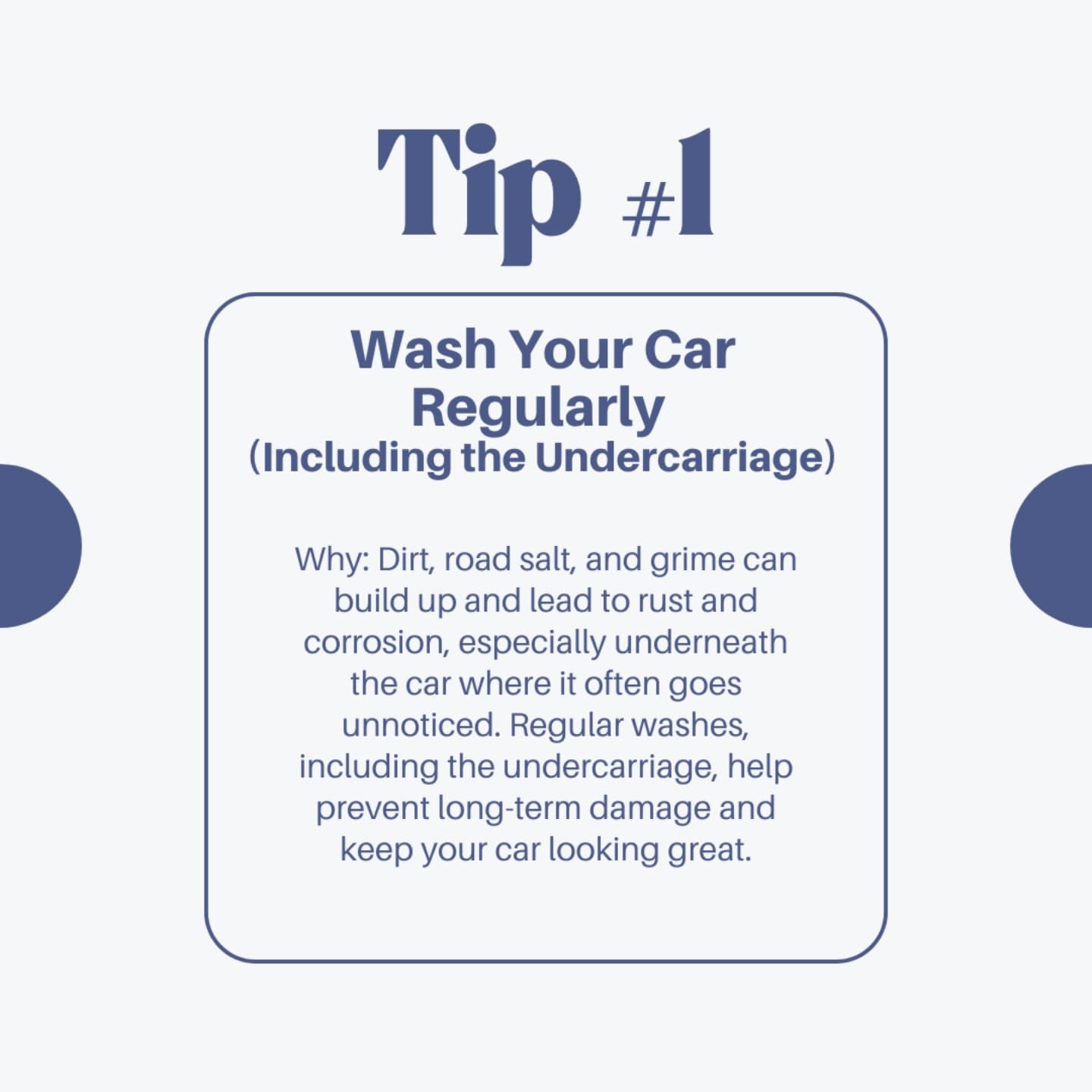
Credit: m.facebook.com
Seasonal Considerations
Washing your car more often in winter can help prevent rust. Salt and moisture from snow can damage the car’s body. Regular cleaning protects the paint and metal, extending your vehicle’s life.
When it comes to maintaining the pristine condition of your car, the seasons play a pivotal role in determining how often you should wash it to prevent rust. Different weather conditions bring unique challenges that can either protect or harm your vehicle’s exterior. Understanding these seasonal considerations ensures that your car remains in top shape throughout the year.Winter Care Tips
Winter can be particularly harsh on your car, with snow, ice, and road salt creating a perfect storm for rust. During this season, it’s crucial to wash your car every two weeks to remove salt and grime that can corrode metal surfaces. Focus on the undercarriage, as salt tends to accumulate there and is often overlooked. Consider using a high-pressure hose to effectively rinse off stubborn salt deposits. It’s also beneficial to apply a wax coating before winter starts. This extra layer of protection shields your car from the harsh elements.Summer Maintenance Strategies
Summer brings its own set of challenges, like dust, pollen, and bird droppings, all of which can damage your car’s paint. Wash your car every two to three weeks to keep it clean and rust-free. Pay attention to areas like the wheels and lower panels where dirt tends to accumulate. In warmer weather, the sun can intensify damage to your car’s paint, making regular cleaning even more important. Use a UV-protectant wax to shield your vehicle from the sun’s rays and preserve its shine. Don’t forget to clean the interior, as well. Dust and debris can build up quickly, especially if you frequently open windows or drive with the top down. Taking these seasonal considerations into account can significantly extend the life of your vehicle. How often do you adjust your car washing routine based on the changing seasons?Cost-effective Car Care Solutions
Maintaining your car without breaking the bank is crucial. Rust can damage your vehicle and reduce its lifespan. Regular washing helps prevent this issue. Cost-effective solutions exist for keeping your car clean and rust-free. Let’s explore these options and find out which is best for you.
Diy Vs Professional Services
Choosing between DIY and professional services depends on your budget and time. Washing your car at home saves money. You need some basic tools and products. A hose, soap, and a sponge are essential. Regular washing prevents dirt build-up and rust. You also have control over the cleaning process.
Professional services offer convenience and expertise. They use advanced tools and techniques. This ensures thorough cleaning and rust prevention. It can be more expensive than DIY. Yet, if you lack time or skills, it might be worth the cost.
Long-term Savings
Investing in regular car maintenance saves money in the long run. DIY solutions are cost-effective. They prevent rust and maintain your car’s value. You avoid costly repairs and replacements. Professional services might seem expensive initially. Yet, they offer thorough cleaning and protection.
Clean cars last longer and perform better. Rust prevention is key to protecting your investment. Regular washing ensures your car stays in top condition. Choose the solution that fits your budget and lifestyle. Both DIY and professional services offer benefits.
Frequently Asked Questions
How Often Should You Wash Your Car?
Washing your car every two weeks is ideal. Regular washing helps remove dirt and pollutants that can cause rust. This frequency is especially important in areas with harsh weather. It helps maintain the car’s appearance and prevents long-term damage.
Does Frequent Washing Prevent Car Rust?
Yes, frequent washing helps prevent rust. It removes salt, grime, and contaminants that can cause rusting. Focus on cleaning the undercarriage where rust commonly forms. Regular maintenance helps prolong your car’s lifespan and maintain its value.
Is Hand Washing Better Than Automatic Car Wash?
Hand washing offers more control and detail. It allows you to reach areas automatic washes might miss. However, automatic car washes are convenient and effective if done correctly. Choose a gentle option to avoid scratches and damage.
Should I Wash My Car In Winter?
Yes, wash your car regularly in winter. Road salt and snow can accelerate rust formation. Frequent washing helps remove these harmful elements. Consider using a touchless car wash to protect your car’s finish during colder months.
Conclusion
Regular car washing prevents rust. It protects your vehicle’s body. Clean cars last longer. Dirt and salt cause rust. Wash every two weeks. In winter, wash weekly. This keeps harmful elements away. Use high-quality car soap. Pay attention to wheel wells.
They collect debris. Inspect for scratches or chips. Repair them promptly. Rust forms quickly. Proper washing saves money on repairs. Keep your car clean. Preserve its value and beauty. Follow these tips. Enjoy a rust-free ride. Your car will thank you.