
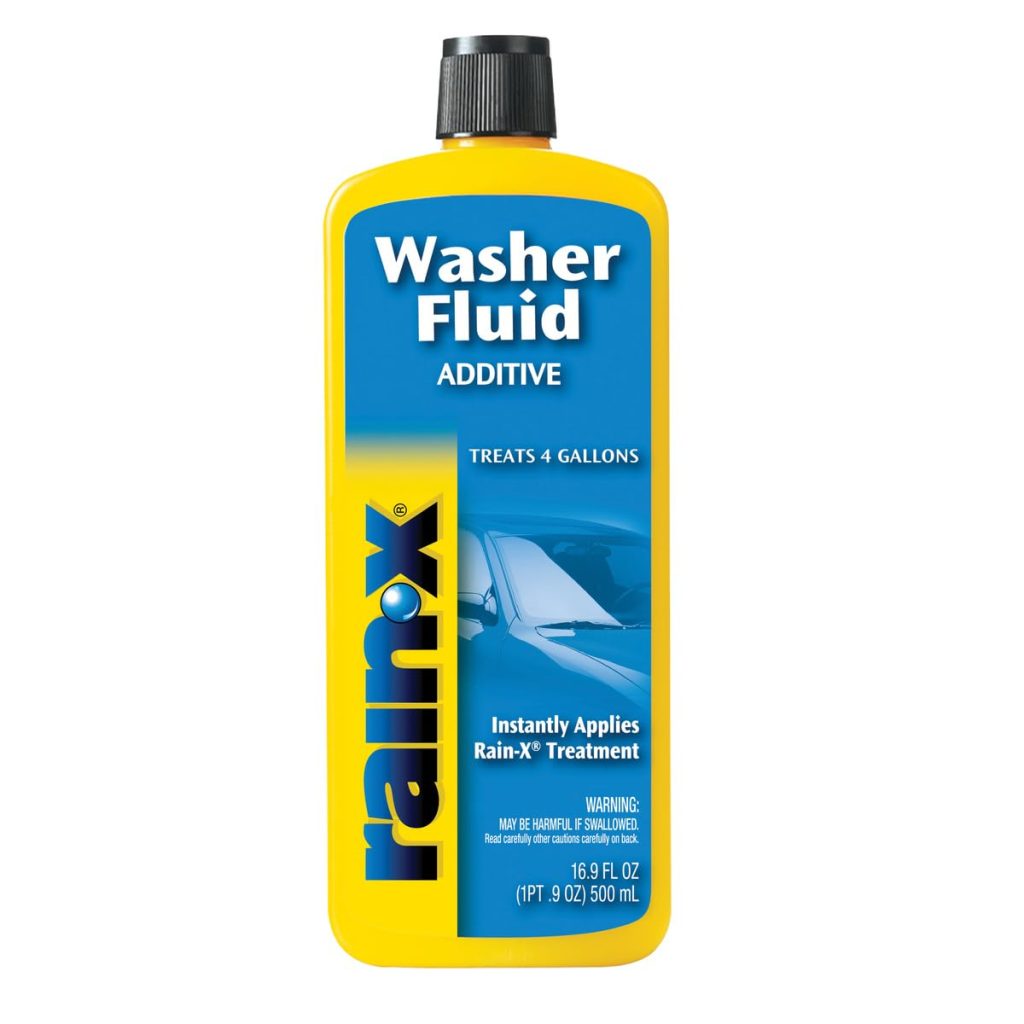
Have you ever been driving and suddenly realized your windshield is covered in dirt, bugs, or streaks? It’s a frustrating moment, right?
But there’s a simple solution that many overlook—washer fluid for your car. This essential liquid is more than just water; it’s specially formulated to help you maintain a clear view while you’re on the road. Imagine driving with perfect clarity, no matter the weather or road conditions.
Sounds great, doesn’t it? By understanding what washer fluid is and why it’s crucial, you can enhance your driving experience and ensure your safety. So, let’s dive into the world of washer fluid and discover how this small detail makes a big difference. Stick around, and you’ll find out everything you need to know to keep your windshield spotless.

Credit: wavex.in
Washer Fluid Basics
Washer fluid is often overlooked in the realm of car maintenance, yet it plays a crucial role in ensuring your safety and driving experience. Imagine cruising down the highway with a windshield covered in dust and grime, obscuring your view. That’s where washer fluid steps in, offering a clear view and peace of mind. Let’s dive into the basics of washer fluid to understand its purpose and importance, and explore the different types available.
Purpose And Importance
Washer fluid serves a simple yet vital function—keeping your windshield clean. Whether you’re dealing with splattered bugs, dust, or road grime, this fluid clears away debris, ensuring a clear line of sight.
The importance of washer fluid extends beyond mere cleanliness. It enhances safety by maintaining visibility, especially during adverse weather conditions. A clean windshield allows you to react swiftly to any obstacles, reducing the risk of accidents.
Have you ever found yourself squinting through streaks on your windshield? That’s a sign you might need to check your washer fluid levels. Regularly using washer fluid ensures a spotless view, making each drive safer and more enjoyable.
Types Of Washer Fluid
Washer fluid comes in several varieties, each tailored to specific needs. The most common type is the all-season fluid, designed to handle general dirt and grime year-round.
If you live in a colder region, consider winter washer fluid. It contains antifreeze to prevent freezing and ensures effectiveness even in sub-zero temperatures.
For those who prefer an eco-friendly option, there are biodegradable washer fluids. These are less harmful to the environment and still provide great cleaning power. Choosing the right type can depend on your climate and personal preferences.
Have you ever wondered if using plain water is a good substitute? While it might seem cost-effective, water lacks the cleaning agents and freeze resistance found in specialized washer fluids. Using the right fluid ensures optimal performance and longevity for your vehicle.
Components Of Washer Fluid
Washer fluid for cars contains water, detergents, and antifreeze agents. These components help clean windshields effectively. They prevent freezing in cold weather, ensuring clear visibility.
Washer fluid is more than just a simple solution to clean your windshield. It consists of various components that contribute to its effectiveness. Understanding these components can help you appreciate why washer fluid is essential for car maintenance.Water And Solvents
Water forms the base of most washer fluids. It acts as a carrier for other ingredients. Solvents, such as alcohol, are mixed with water. They prevent the fluid from freezing in cold weather. This ensures windshield cleaning even in winter.Detergents And Surfactants
Detergents are crucial for removing dirt and grime. They break down stubborn residues on the windshield. Surfactants enhance the cleaning power by reducing surface tension. This helps in spreading the fluid evenly across the glass.Additives And Enhancements
Additives improve the performance of washer fluid. Some add color or fragrance for user experience. Others provide anti-streak properties for clearer visibility. Enhancements can also include anti-foaming agents. These prevent bubbles during application for a smooth clean.Choosing The Right Washer Fluid
Choosing the right washer fluid for your car is crucial for maintaining clear visibility and ensuring safety while driving. With so many options available, it can be a bit overwhelming. But don’t worry; finding the right one is easier than you think. You just need to consider your specific needs and driving conditions.
Climate Considerations
Your local climate plays a significant role in determining the ideal washer fluid. If you live in a region with harsh winters, you’ll want a fluid that can handle freezing temperatures without turning into ice on your windshield. Conversely, in warmer climates, you might prioritize fluids that excel at removing dust and pollen.
Think about the challenges you face daily. Are you often driving in rain or fog? Or maybe you’re dealing with scorching sun and dusty roads. These conditions will guide your choice.
All-season Vs. Specialty Fluids
All-season washer fluids offer versatility, designed to work effectively year-round. They’re a great choice if you experience mild winters and moderate summers. However, specialty fluids are tailored to specific conditions, like bug removal or de-icing.
Consider your driving habits and environment. If you frequently travel through areas with lots of insects, a bug-specific formula might be your best friend. On the other hand, if snow and ice are common visitors, de-icing fluids are essential.
Think of it like choosing the right outfit for the weather. Would you wear a light jacket in the snow or a heavy coat in the heat? The same logic applies to washer fluids.
Diy Washer Fluid Options
Washer fluid keeps your car’s windshield clean and clear. It removes dirt, bugs, and grime while driving. DIY options can be a cost-effective solution for maintaining visibility on the road.
Looking for a budget-friendly way to keep your windshield sparkling clean? DIY washer fluid options are a great choice. They are not only cost-effective but also allow you to know exactly what ingredients are being used. Plus, making your own washer fluid can be a fun weekend project!Homemade Recipes
Creating your own washer fluid can be as simple as mixing a few household items. Here’s a basic recipe:- Mix 3 cups of distilled water with 1 cup of white vinegar. This combination helps remove dirt and grime effectively.
- Add a few drops of dish soap to enhance the cleaning power. Be careful not to add too much, as excessive soap can cause streaking.
- For winter, consider adding a cup of rubbing alcohol to prevent the fluid from freezing.
Pros And Cons
Pros: – Cost-Effective: Making your own washer fluid can save you money. Store-bought options can be surprisingly expensive. – Customization: You have control over the ingredients, allowing you to avoid harmful chemicals if preferred. – Convenience: Many of the ingredients are likely already in your home, saving you a trip to the store. Cons: – Effectiveness: Homemade solutions might not be as powerful as commercial options, especially against tough grime. – Freezing: Without proper additives, your homemade fluid could freeze in cold weather, causing inconvenience. – Time-Consuming: Mixing your own solution takes time, which might not be ideal for everyone. Have you ever tried making your own washer fluid? It’s a small change that could make a big difference in both your driving experience and your wallet.How To Refill Washer Fluid
Washer fluid for cars helps keep the windshield clear by removing dirt and grime. To refill, locate the washer fluid reservoir under the hood, usually marked with a windshield symbol, and pour in the washer fluid until full.
Refilling your car’s washer fluid is a simple task, yet it plays a crucial role in maintaining clear visibility on the road. Whether you’re driving through a dusty highway or caught in a sudden downpour, having enough washer fluid can make all the difference. If you’re unsure about how to refill it, don’t worry. With a few easy steps, you can ensure your windshield is always clean and clear.Step-by-step Guide
1. Locate the Washer Fluid Reservoir: Pop open your car’s hood and find the washer fluid reservoir. It’s usually a translucent tank with a cap labeled with a windshield/water symbol. 2. Check Fluid Level: Before adding, take a quick peek to see if the fluid level is low. It’s a good habit to know how much you’re topping up. 3. Open the Cap: Carefully remove the cap from the reservoir. Ensure it’s placed somewhere safe and won’t roll away. 4. Pour the Fluid: Using a funnel can help avoid spills. Slowly pour the washer fluid into the reservoir until it reaches the fill line. 5. Secure the Cap: Once filled, securely place the cap back on the reservoir. Ensure it’s tightly sealed to prevent leaks.Safety Tips
– Choose the Right Fluid: Not all washer fluids are the same. Select one suited for your climate. For cold regions, consider an anti-freeze washer fluid. – Avoid Overfilling: Filling past the designated line can cause spills and unwanted mess. – Keep It Clean: If you spill any fluid, wipe it up immediately. Washer fluid can be slippery and may damage certain engine components. – Store Safely: Keep any extra fluid out of the reach of children and pets. Washer fluid contains chemicals harmful if ingested. Refilling washer fluid is a straightforward task, but it’s easy to overlook. Have you ever found yourself squinting through a dirty windshield because the fluid ran out at the wrong time? By keeping your washer fluid topped up, you can avoid those stressful moments and enjoy a safer, clearer drive.
Credit: www.amazon.com
Common Washer Fluid Problems
Washer fluid is essential for clear visibility while driving. Yet, problems with it can arise. These issues can affect the effectiveness of your washer system. Understanding common washer fluid problems helps in maintaining a safe driving experience.
Clogged Nozzles
Clogged nozzles are a frequent issue for many drivers. Dirt and debris often block the washer fluid’s path. This blockage leads to reduced or no fluid reaching the windshield. Regularly cleaning the nozzles can prevent this problem. Use a small pin or needle to clear any obstruction. Make sure the fluid can spray efficiently after cleaning.
Frozen Washer Fluid
Frozen washer fluid is a typical winter problem. It happens when temperatures drop below the fluid’s freezing point. This makes it impossible to clean the windshield. To avoid this, always use winter-grade washer fluid. These types contain antifreeze agents. They ensure that your washer fluid remains in liquid form, even in cold weather. Check the fluid’s label for its freezing point before purchase.
Environmental Considerations
Washer fluid is a vital component for your car’s maintenance, but have you ever thought about its impact on the environment? Many conventional washer fluids contain chemicals that can be harmful to ecosystems. As a responsible car owner, understanding the environmental considerations of your washer fluid choice is essential. This section explores the eco-friendly alternatives, disposal methods, and recycling options available to minimize your ecological footprint.
Eco-friendly Options
Choosing eco-friendly washer fluid is a simple yet impactful step. These products are formulated with biodegradable ingredients that break down naturally without harming aquatic life. Look for labels that indicate natural or plant-based ingredients.
Another option is to make your own washer fluid using household items like vinegar and water. This not only reduces chemical use but also saves money. Have you tried making your own? It’s surprisingly easy and effective!
Disposal And Recycling
Proper disposal of washer fluid is crucial. Pouring it down the drain can lead to contamination of water sources. Instead, check local guidelines for safe disposal practices.
Some areas offer recycling programs specifically for automotive fluids. Participating in these programs ensures that hazardous materials are handled responsibly. Do you know where your nearest recycling center is?
By considering eco-friendly options and responsible disposal, you can make a positive impact on the environment. It’s about making mindful choices that reflect your values. What small steps can you take today towards a greener future?

Credit: www.amazon.com
Frequently Asked Questions
What Is Washer Fluid Made Of?
Washer fluid typically consists of water, methanol, and detergents. These components help to clean and remove dirt and grime from your windshield. Some formulations may also include antifreeze agents to prevent freezing in cold weather. Always check the label for specific ingredients and safety information.
Can I Use Water Instead Of Washer Fluid?
Using water alone is not recommended for your car’s windshield. Washer fluid contains detergents and antifreeze, which improve cleaning and prevent freezing. Water can freeze in cold temperatures and lacks the cleaning power of washer fluid. Always use the appropriate washer fluid for optimal performance and safety.
How Often Should I Refill Washer Fluid?
Refill your washer fluid whenever it runs low. Regularly check the fluid level, especially during seasons with more frequent use like winter or rainy periods. Keeping the reservoir full ensures your windshield remains clean and clear, maintaining visibility and safety while driving.
Is Washer Fluid Important For Car Maintenance?
Yes, washer fluid is crucial for car maintenance. It ensures a clean windshield, which is vital for visibility and safety. Regular use prevents dirt and grime buildup, reducing the risk of scratches. Always keep the washer fluid reservoir filled to maintain optimal performance.
Conclusion
Washer fluid is crucial for clear visibility while driving. It helps remove dirt, bugs, and grime from the windshield. Regularly check your fluid levels to ensure safe travels. Different types of washer fluids suit various weather conditions. Choose the right one for your climate.
Easy to find and use, washer fluid is a simple way to maintain your car’s safety features. Remember, clean windshields make driving safer for everyone on the road. Keep your car’s washer fluid topped up for peace of mind. Stay safe and drive with confidence.