

Have you ever found yourself staring out the window at your car, wondering if it’s okay to wash it when it’s cold outside? You’re not alone.
Many people grapple with this question every winter. You want your car to look its best, but you also don’t want to risk damaging it in chilly conditions. Imagine the peace of mind you could have knowing exactly how to safely wash your car during the colder months.
You’ll discover practical tips and insights to ensure your car remains spotless and well-maintained, regardless of the temperature outside. Don’t let the cold keep you from giving your car the care it deserves. Dive in to learn more!
Cold Weather Car Washing Basics
Washing your car in cold weather might seem like a daunting task, but it’s entirely feasible with the right approach. Understanding the basics can not only ensure your car stays clean but also prevent damage that can occur if done incorrectly. Whether you’re facing icy winds or a light snowfall, knowing how to safely wash your car when temperatures drop is crucial for maintaining its appearance and integrity.
Temperature Matters
Before you begin, assess the temperature. If it’s below freezing, washing may cause water to freeze on your car’s surface. This can lead to scratches or damage. Opt for washing when temperatures are slightly above freezing, or use warm water to counteract the cold.
Cold weather requires specific cleaning products. Use a car wash solution designed for low temperatures. These products prevent water from freezing too quickly and ensure effective cleaning. Avoid using household detergents, as they can strip your car’s wax and damage the paint.
Preparation Is Key
Prepare your car by removing any snow or ice before washing. This not only makes the washing process easier but also prevents ice from scratching your car’s surface. Using a soft brush or cloth will help you safely clear the car.
Drying Techniques
Once washed, drying is crucial. Cold temperatures can cause water to freeze, leading to ice spots. Use microfiber towels for quick drying, focusing on areas where water tends to pool. Consider using a blow dryer for hard-to-reach areas, ensuring no moisture is left behind.
Personal Experience Insight
Last winter, I hesitated to wash my car during a cold snap. When I finally did, I noticed a significant improvement in its appearance. The grime and salt buildup from the roads were damaging the paint. With careful washing, you can protect your car from these elements and maintain its shine.
So, next time you think about skipping a wash because of the cold, ask yourself: Is the salt and dirt worth the risk to your car’s finish? With the right steps, you can easily wash your car and keep it looking great all winter long.
Credit: www.chemicalguys.com
Benefits Of Washing In Winter
Cold weather car washing protects against road salt and dirt buildup. Regular cleaning prevents paint damage and rust. A clean car also enhances visibility and safety during winter drives.
Washing your car during winter might seem challenging. Yet, it offers many benefits. Keeping your vehicle clean in cold months is crucial. It protects against snow, salt, and grime. These elements can damage your car’s paint and undercarriage. Regular washes help maintain your car’s appearance and functionality. Here are some benefits of washing your car in winter.Protects Against Corrosion
Snow and salt can cause rust on your car. Washing removes these harmful elements. It prevents long-term damage. Regular cleaning keeps your car looking new.Improves Visibility And Safety
Dirt and snow can obscure windows and mirrors. Clean surfaces improve visibility. This enhances safety while driving. A clean windshield ensures a clear view of the road.Maintains Paint Quality
Winter dirt can dull your car’s paint. Washing keeps the color vibrant. It prevents scratches and stains. A clean car looks polished and well-maintained.Enhances Resale Value
A well-maintained car attracts buyers. Clean surfaces indicate care. Washing in winter preserves the car’s value. It shows your commitment to upkeep.Reduces Maintenance Costs
Removing dirt and grime prevents damage. This can lower repair costs. Regular washing saves money over time. It reduces the need for costly fixes.Choosing The Right Products
Cold weather requires careful product choices for car washing. Opt for car wash soaps designed to work in low temperatures. Look for products that prevent freezing and are gentle on your vehicle’s surface.
Choosing the Right Products to wash your car in cold weather is essential. Cold temperatures can make regular car washing products less effective. Selecting the correct cleaners ensures your car remains sparkling and protected from winter elements. Consider choosing products designed for cold climates. These ensure a thorough clean without damaging your vehicle’s exterior.Understanding Product Labels
Read labels carefully before buying car wash products. Look for labels indicating suitability for cold temperatures. This ensures they perform well even when the temperature drops.Opt For Specialized Formulas
Specialized formulas are designed for winter weather. These products prevent streaks and residue buildup. They are often less sensitive to temperature changes.Consider Biodegradable Options
Biodegradable products are environmentally friendly. They break down naturally without harming ecosystems. Choose options that are safe for both your car and nature.Check For Protective Features
Choose products that offer protective coatings. These help shield against salt and grime. A protective layer keeps your car clean longer in winter conditions.Evaluate Ease Of Use
Some products are easier to apply in cold weather. Quick application reduces time spent in chilly conditions. Look for products that offer simple application methods.Ensure Compatibility With All Paint Types
Verify compatibility with your car’s paint type. This prevents damage during cleaning. It’s crucial to maintain your car’s appearance and value. Selecting the right products makes winter car washing hassle-free. Proper choices lead to better results and protection. Your car remains clean and safe even in cold weather.Preventing Frozen Doors And Windows
Avoid washing your car in freezing temperatures to prevent frozen doors and windows. Use warm water to melt ice. Dry thoroughly after washing to avoid moisture buildup.
Washing your car in cold weather can be a tricky task. One of the biggest challenges is ensuring that your car doors and windows don’t freeze shut. Nothing is more frustrating than finishing a good wash, only to find yourself unable to open the door or roll down the window the next morning. Luckily, with a few simple steps, you can keep these inconveniences at bay and maintain your car’s functionality, even when the temperatures drop.Use Warm Water Wisely
Using warm water to wash your car in cold weather can prevent the immediate freezing of doors and windows. However, it’s essential not to use hot water as it can cause damage to your car’s paint due to the rapid temperature change. Just slightly warm water will do the trick, ensuring that ice doesn’t form instantly on contact.Dry Thoroughly
After washing, make sure to dry the edges of doors and windows completely. Moisture left behind can freeze, making it difficult to open doors or move windows. Use a soft microfiber cloth for effective drying, focusing on the seals and edges where water tends to accumulate.Apply A Silicone-based Lubricant
A silicone-based lubricant can be a lifesaver in cold weather. Apply it to the rubber seals around doors and windows to prevent them from freezing. This creates a protective barrier against moisture, ensuring your doors and windows remain functional and easy to use.Park In A Sheltered Area
If possible, park your car in a garage or under a carport after washing. This reduces exposure to the elements and minimizes the chances of doors and windows freezing. If indoor parking isn’t an option, consider using a car cover for added protection.Consider Using A De-icing Spray
A de-icing spray is a quick fix for preventing frozen doors and windows. Spray it on the seals and edges before washing your car. This can help prevent moisture from turning into ice, making it easier to access your vehicle even in freezing conditions. By taking these proactive steps, you can enjoy a clean car without the hassle of frozen doors and windows. Have you ever faced the icy wrath of a stuck car door? Share your experiences and tips in the comments!Drying Techniques In Cold Weather
Washing your car in cold weather can be challenging. The best drying techniques involve using a microfiber towel to prevent water spots. A gentle patting motion helps absorb moisture without freezing.
Drying your car in cold weather can be tricky. Moisture freezes quickly, leaving unwanted spots. Proper techniques prevent this and protect your car’s finish. Below are some effective drying methods suitable for cold conditions.Use Microfiber Towels
Microfiber towels absorb water efficiently. They reduce streaks and prevent scratches on your car’s surface. Use them immediately after rinsing to avoid freezing.Consider A Leaf Blower
A leaf blower helps remove water from crevices. It works well in cold weather, pushing water off before it freezes. Make sure to target mirrors, door handles, and trim.Use A Water Blade
A water blade is a flexible tool. It sweeps water off flat surfaces like the hood and roof. This method is fast and leaves minimal water behind.Park In A Sheltered Area
Park your car in a garage or under a canopy. This protects it from wind and speeds up the drying process. It also prevents new moisture from settling on the car.Employ A Quick Detailer Spray
Quick detailer sprays can aid in drying. They leave a protective layer that helps repel water. Spray and wipe with a clean microfiber towel for best results.Use Warm Water Buckets
Use warm water in your buckets for rinsing. Warm water evaporates quicker, reducing the risk of freezing. It also helps in breaking down any remaining soap.Run The Car’s Heater
Turn on the car’s heater for a few minutes. This creates warmth, helping to evaporate remaining water. It’s especially useful for drying the windows and mirrors.Use A Soft Rubber Squeegee
A soft rubber squeegee removes water effectively. It works best on large, flat surfaces. Be gentle to avoid scratching the paint.Protecting Your Car’s Exterior
Washing your car in cold weather needs care to avoid damage. Use warm water to prevent freezing. Clean quickly and dry thoroughly to protect the exterior.
Keeping your car looking its best during the cold months can be a bit of a challenge. Winter conditions like snow, ice, and road salt can take a serious toll on your vehicle’s exterior. But with a little care and the right methods, you can protect your car’s paint and finish from the harsh elements.Understanding The Impact Of Cold Weather On Your Car
Cold weather can cause paint to contract and expand, leading to cracks and chips. Road salt, while crucial for safety, can accelerate rust and damage the clear coat. It’s essential to address these issues before they escalate. Using cold-weather-friendly car wash products can make a difference. Opt for a pH-balanced car shampoo that works well in low temperatures. Ensure your wax or sealant is designed to withstand harsh winter conditions for added protection.Washing Techniques For Cold Weather
Washing your car when it’s cold requires a different approach. Use lukewarm water to prevent freezing. Focus on cleaning areas most affected by road salt, like the undercarriage and wheel wells.Regular Maintenance Checks
Regular inspections can help you catch potential problems early. Look for chips or scratches that might need touch-ups. Check rubber seals around windows and doors for any signs of wear.Why Drying Is Crucial
Drying your car thoroughly after washing is crucial in cold weather. Any water left can freeze and cause damage. Use a microfiber towel or a soft drying cloth to absorb water effectively.Consider Indoor Or Covered Washing
Whenever possible, wash your car indoors or under cover. This helps avoid the rapid freezing of water on your car’s surface. If an indoor wash isn’t possible, choose a mild day for washing. By paying attention to these details, you can keep your car looking pristine, even during the harshest winter months. How do you plan to protect your car this winter?Safety Precautions
Protecting your car’s paint in cold weather is crucial. Use warm water to prevent freezing on surfaces. Wear gloves to keep hands warm while washing.
Washing your car in cold weather requires careful planning. Ensure safety by taking precautions to avoid accidents. Cold temperatures can lead to slippery surfaces and frozen water. Protect yourself and your vehicle by understanding the risks involved.Check Weather Conditions
Knowing the weather forecast is vital. Avoid washing on icy or extremely cold days. This minimizes risks of slips and falls. Choose a day when temperatures are above freezing.Wear Appropriate Clothing
Dress in layers to keep warm. Use waterproof gloves and boots. This keeps you dry and comfortable. Protect your skin from cold and wet conditions.Prepare The Washing Area
Ensure the area is free of ice. Use salt or sand to improve traction. This reduces slip hazards. Keep safety your priority.Use Cold Weather Products
Choose products made for cold temperatures. These prevent freezing and protect paint. Use antifreeze solutions for windows and locks. Ensure your car gets the care it needs.Avoid Using Hot Water
Hot water can crack cold glass and paint. Use lukewarm water instead. This prevents damage to your car. Be gentle with your washing approach.Dry Your Car Thoroughly
Dry your car quickly after washing. This prevents ice formation on surfaces. Use a clean towel for best results. Ensure all areas are thoroughly dried.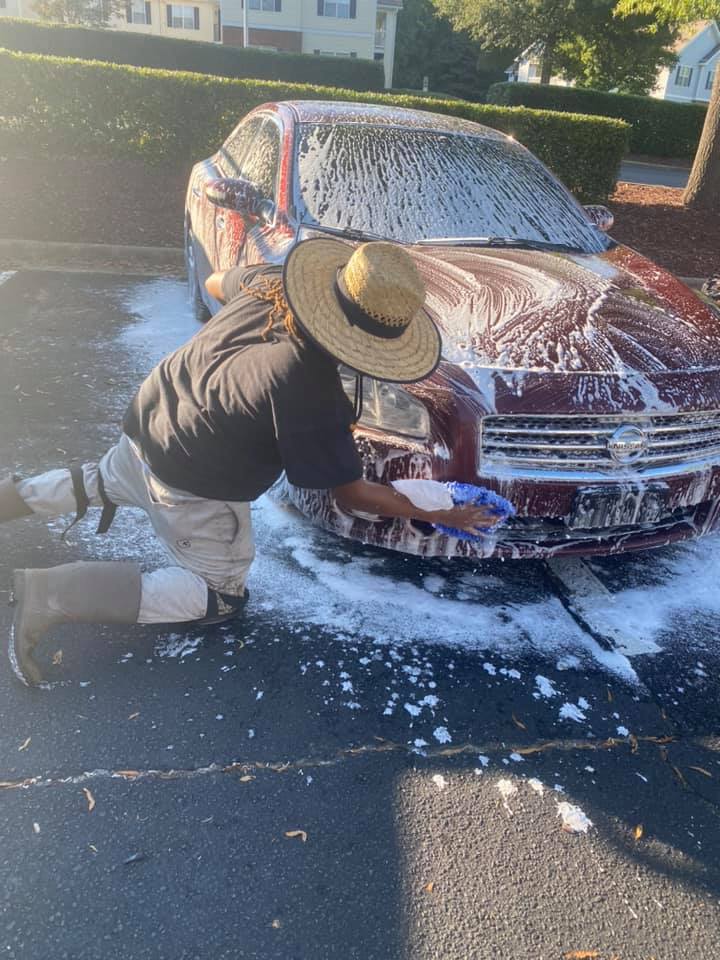
Credit: www.facebook.com
Avoiding Damage From Salt And Debris
Washing your car during cold weather can prevent damage from salt and debris. It’s essential to choose the right time, ideally when temperatures are above freezing. Use warm water and a brush to gently remove dirt and salt, ensuring your car stays protected.
Cold weather can be harsh on your car. Salt and debris from the roads stick to the surface. This can cause damage if not addressed. Washing your car during winter helps prevent this. It removes harmful particles that could lead to rust. Let’s explore how to avoid damage from salt and debris.Understanding The Impact Of Salt
Salt is commonly used to melt ice on roads. It can corrode your car’s metal parts. This leads to rust over time. Regular washing reduces this risk. Pay special attention to the undercarriage. Salt accumulates there easily.Removing Debris Efficiently
Debris like mud and grime can scratch your car’s paint. Use a gentle spray to loosen these materials. Avoid using harsh tools or brushes. They may cause further damage. A soft cloth is ideal for wiping away dirt.Choosing The Right Cleaning Products
Use car-specific cleaning products. Regular soap can strip your car’s wax layer. This makes it more vulnerable to damage. Look for products that are gentle yet effective. They should be suitable for winter use.Washing Frequency In Cold Weather
Aim to wash your car every two weeks during winter. This keeps salt and debris at bay. If conditions are severe, increase the frequency. Your car will thank you for it. Regular cleaning maintains its appearance and value.Drying Your Car Thoroughly
Always dry your car after washing. Water left on the surface can freeze. This leads to further damage. Use a clean towel for drying. Pay attention to hidden areas where water might collect.Protecting The Undercarriage
The undercarriage is prone to salt build-up. Rinse it thoroughly during each wash. Consider applying an undercarriage sealant. This provides an extra layer of protection. It can prevent long-term damage from salt.Frequency Of Winter Washing
Cold weather doesn’t prevent car washing. Salt and grime build-up can damage the paint. Regular cleaning helps maintain your car’s appearance and longevity.
During winter, car owners often wonder how often they should wash their vehicles. Cold weather can be harsh on cars, leading to accumulated dirt and road salt. Regular cleaning helps maintain the car’s appearance and prevents damage. Let’s explore how often you should wash your car in winter for optimal care.Importance Of Winter Washing
Winter washing is crucial for protecting your car’s paint. Road salt can corrode metal surfaces, leading to rust. Dirt and grime can dull the paint and damage the finish. Washing your car regularly helps remove these harmful elements.Ideal Washing Frequency
Aim to wash your car every two weeks in winter. This ensures the removal of salt and dirt buildup. Frequent washing keeps your car looking great and protects its exterior. Adjust the frequency based on weather conditions and road usage.Weather Considerations
Choose milder winter days for washing your car. Avoid days with extreme cold, as water can freeze and damage surfaces. Washing on warmer days ensures effective cleaning without the risk of ice formation.Use Proper Cleaning Products
Use car-specific cleaning products during winter washes. These products are designed to remove road salt and grime effectively. Avoid household cleaners, which can harm your car’s paint and finish.Dry Your Car Thoroughly
Drying is essential after washing your car in winter. Moisture can freeze, leading to potential damage. Use a microfiber towel to dry your car thoroughly, paying attention to crevices and seams.Consider Professional Services
Professional car washes offer thorough cleaning in winter. They use specialized equipment and products to remove salt and dirt. Consider visiting a car wash for a detailed clean if conditions are too cold for DIY washing.Indoor Vs Outdoor Washing
Cold weather can affect car washing methods. Indoor washing offers protection from freezing conditions, while outdoor washing risks ice formation on surfaces. Consider temperature and water usage for effective cleaning.
When the temperature drops, maintaining your car’s cleanliness can be challenging. You might wonder whether it’s better to wash your car indoors or outdoors in cold weather. Each option has its unique benefits and drawbacks, and understanding these can help you make an informed choice.Indoor Washing
Indoor washing provides a controlled environment where temperature fluctuations are minimal. You won’t have to worry about water freezing on your car’s surface. If you have access to a garage or a professional indoor car wash service, you’re in luck. Indoor washing allows you to take your time and thoroughly clean your car without battling the elements. However, finding a suitable indoor space can be a hassle if you don’t already have one. Consider whether investing in a professional service is worth it for you.Outdoor Washing
Outdoor washing in cold weather can be a bit more adventurous. You get the advantage of fresh air and potentially a larger space to work with. But cold temperatures can cause water to freeze quickly, turning a simple wash into a slippery situation. If you choose outdoor washing, planning is crucial. Pick a day when the temperature is above freezing and avoid windy conditions that can make the cold feel even more biting. Are you equipped with the right gear to keep yourself warm and safe during the process? Ultimately, the choice between indoor and outdoor washing depends on your resources and preferences. Whether you opt for the cozy confines of an indoor space or embrace the brisk challenge of outdoor washing, keep your car’s needs and your comfort in mind.
Credit: www.facebook.com
Frequently Asked Questions
Can Washing A Car In Cold Weather Damage It?
Washing your car in cold weather generally won’t damage it if done properly. Use lukewarm water to prevent freezing. Avoid washing below freezing temperatures. Ensure to dry your car thoroughly to prevent ice formation. Consider using a car wash with temperature-controlled environments for optimal results.
What Temperature Is Too Cold To Wash A Car?
It’s generally too cold to wash a car when temperatures drop below 32°F (0°C). At these temperatures, water can freeze quickly, making it difficult to clean effectively. If you must wash your car in cold weather, choose a day when temperatures are slightly above freezing.
How Can I Dry My Car In Cold Weather?
To dry your car in cold weather, use microfiber towels to remove excess water quickly. Pay special attention to areas where water can accumulate and freeze, like door seals. Consider using a leaf blower to remove water from hard-to-reach areas.
Always ensure the car is thoroughly dried to prevent icing.
Are Touchless Car Washes Good For Cold Weather?
Touchless car washes are excellent for cold weather as they minimize direct water contact. They use high-pressure sprays and detergents to clean effectively. Choose a facility that offers heated water and drying services. This reduces the risk of water freezing on your car during the wash.
Conclusion
Washing your car in cold weather is possible with care. Choose a mild day for best results. Avoid washing in freezing temperatures. Use warm water to reduce ice risks. Dry the car thoroughly to prevent water spots. Consider indoor washing if possible.
Protect your car’s paint with wax afterward. Regular maintenance keeps your car looking great. Cold weather should not stop you from keeping it clean. Stay aware of weather conditions and adjust your plans. A clean car boosts its longevity and value.
Keep these tips in mind for a winter wash.