
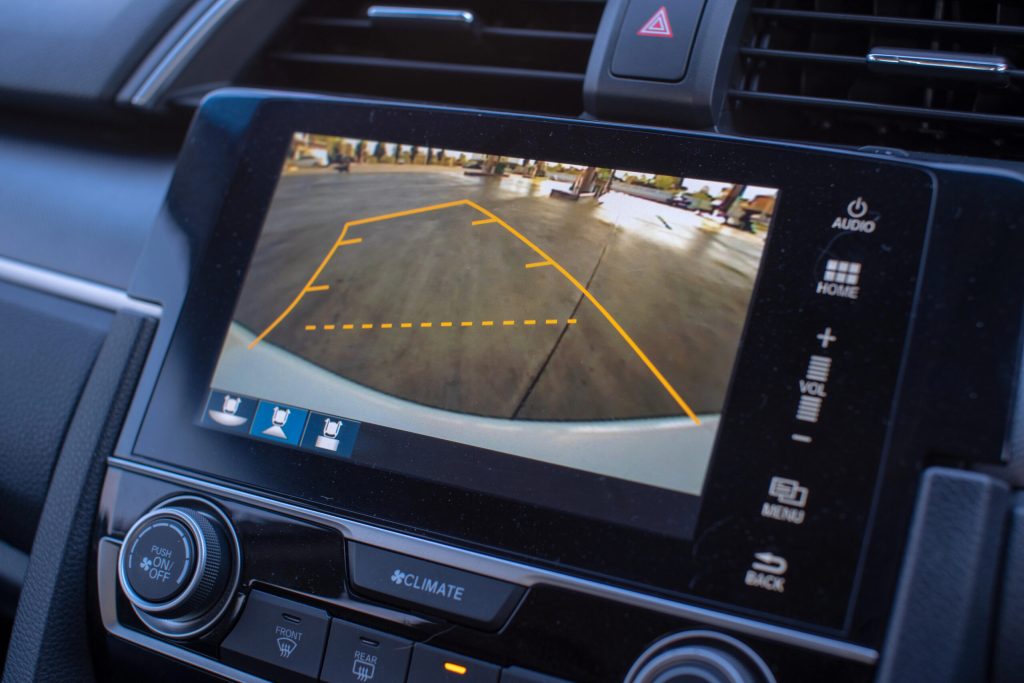
Imagine pulling out of a busy parking lot with confidence, knowing you have an extra set of eyes watching your back. Sounds reassuring, right?
This is exactly what a backup camera does for you. It’s like having a helpful friend guiding you through tricky spots, making sure you avoid those pesky little bumps and scratches. If you’ve ever wondered why more and more cars feature these tiny cameras, or how they could make your driving experience smoother, you’re in the right place.
Dive in, and discover how a backup camera could transform your daily drive into a safer, stress-free adventure.
Credit: thecarplayer.com
Purpose Of A Backup Camera
A backup camera in a car enhances safety by providing a clear view of the area behind the vehicle. It assists drivers in avoiding obstacles and ensures safer reversing, reducing the risk of accidents.
The purpose of a backup camera in a car is safety. It helps drivers see what is behind their vehicle. This feature reduces blind spots while reversing. By providing a clear view, it prevents accidents and helps avoid hitting objects. Backup cameras are especially useful in crowded parking lots. They give drivers confidence to reverse without fear.Enhancing Driver Awareness
Backup cameras enhance driver awareness. They offer a wide-angle view of the rear area. This helps drivers spot obstacles, pets, or children. Drivers can react quickly to avoid collisions. The camera helps in tricky situations like parallel parking.Reducing Blind Spots
Blind spots are areas a driver can’t see. Backup cameras reduce these blind spots. They display a clear image on the car’s screen. This visual aid helps drivers make safer decisions.Parking Assistance
Parking can be stressful. Backup cameras offer parking assistance. They guide drivers into tight spots. The camera shows how close the car is to other objects. This makes parking simpler and safer.Preventing Accidents
Accidents often happen when reversing. Backup cameras help prevent these accidents. They alert drivers to unseen hazards. This reduces the risk of hitting something or someone.Improving Vehicle Safety
Backup cameras improve overall vehicle safety. They are a vital tool for cautious driving. By providing real-time images, they help drivers stay aware. This feature boosts confidence on the road.Types Of Backup Cameras
Backup cameras in cars have become essential for modern driving. They enhance safety and convenience by providing drivers with a clear view of what’s behind. Different types of backup cameras cater to various needs and preferences.
Rearview Cameras
Rearview cameras are the most common type. They activate when you shift into reverse. Positioned at the back, they offer a direct view behind the vehicle. This helps in parking and avoiding obstacles.
Surround View Cameras
Surround view cameras provide a 360-degree view around the car. Multiple cameras work together for a bird’s-eye perspective. Ideal for tight parking spaces and complex maneuvers. They enhance situational awareness significantly.
Wireless Backup Cameras
Wireless backup cameras eliminate the need for complex wiring. They use wireless technology to transmit video to a screen. Easy to install and often compatible with smartphone apps. Perfect for those who prefer a hassle-free setup.
Key Features
Backup cameras in cars enhance safety by providing a clear view of obstacles behind the vehicle. They assist in parking by displaying real-time images on a screen, reducing blind spots. These cameras are designed to prevent accidents and make reversing easier for drivers.
Backup cameras have become essential in modern cars. They enhance safety by providing a clear view behind the vehicle. Understanding the key features of these cameras is crucial for maximizing their benefits. Below are some important features that define the effectiveness of a backup camera.Wide-angle Lens
A wide-angle lens offers a broader view of the area behind your car. It reduces blind spots significantly. This feature is helpful in crowded parking lots. The lens captures more details, making reversing safer.Night Vision Capability
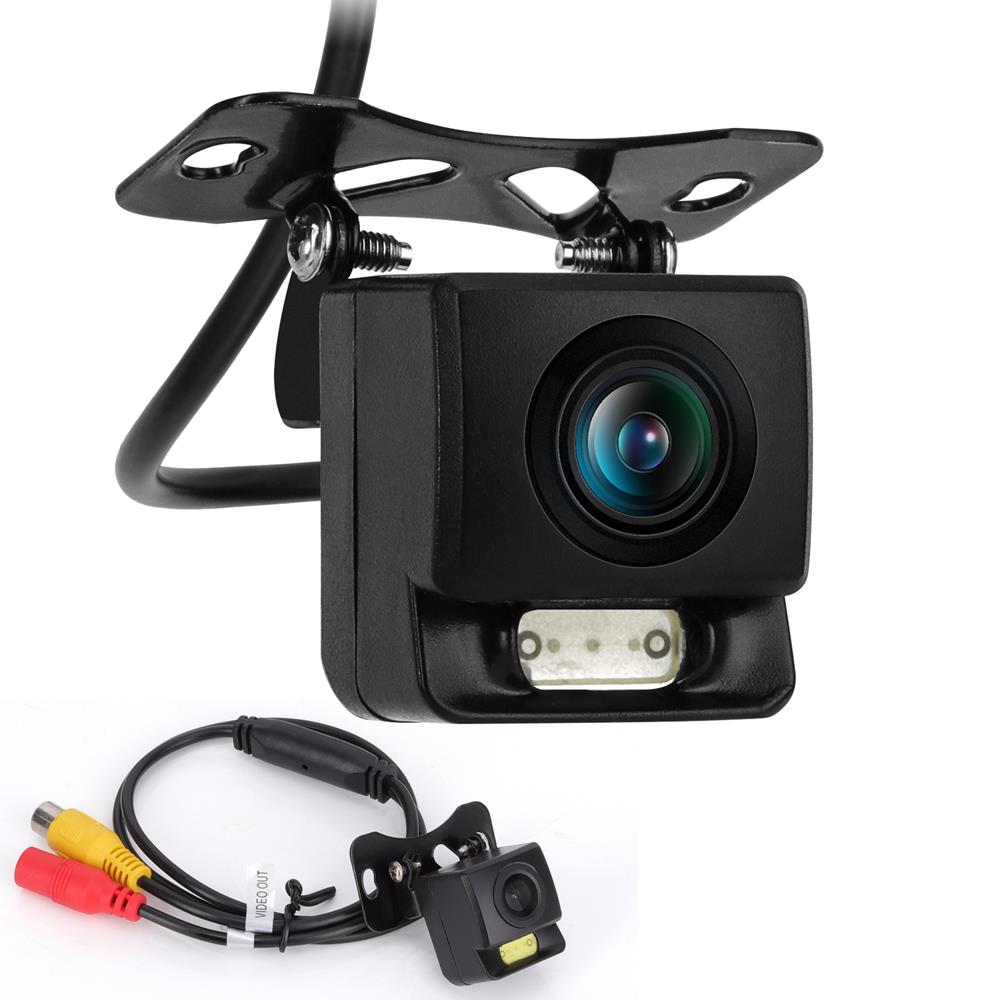
Driving at night poses unique challenges. Backup cameras with night vision capability help in low-light conditions. They use infrared lights to illuminate dark areas. This ensures clear visibility even when it’s dark outside.Grid Lines Display
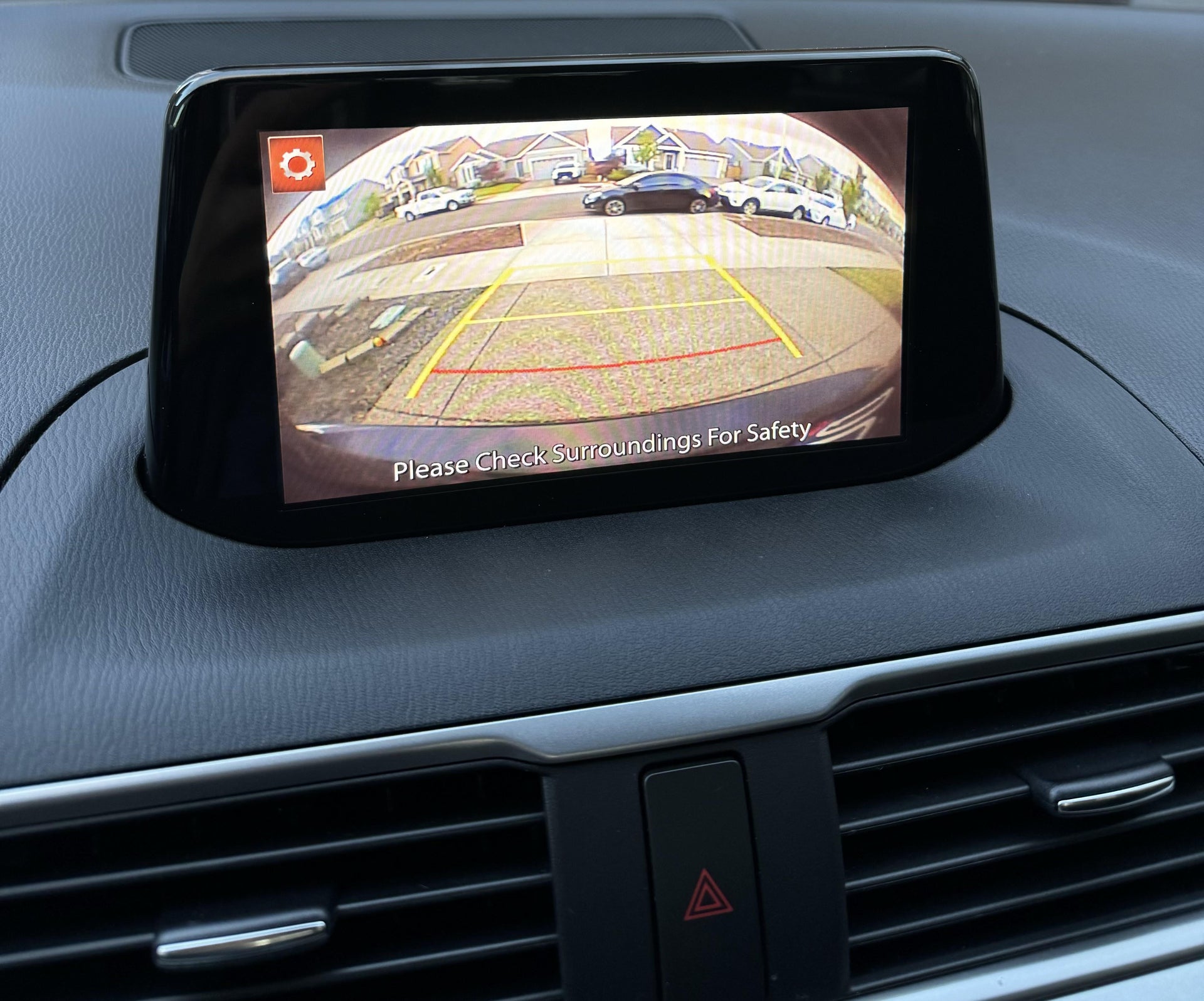
Grid lines on the camera screen aid in precise navigation. They provide distance guidance, helping drivers judge space correctly. This feature is useful for avoiding obstacles. It simplifies parallel parking and tight maneuvers.Installation Process
The installation process of a backup camera can vary. It depends on whether you opt for a DIY approach or professional help. Each has its own benefits and challenges.
Diy Installation Steps
Installing a backup camera on your own can be rewarding. Begin by gathering necessary tools and materials. A screwdriver, electrical tape, and wire strippers are essential. Most backup cameras come with a kit. Follow the instructions included in the kit carefully. First, mount the camera on your vehicle’s rear. Use the screws provided for a secure fit. Next, run the wires to the car’s interior. Connect the camera to the display monitor. Ensure all connections are tight and secure. Finally, test the camera to confirm it’s working correctly.
Professional Installation Benefits
Hiring a professional ensures a seamless installation. Professionals have the right tools and expertise. They can install the camera quickly and efficiently. You save time and avoid potential mistakes. Professionals also ensure the camera is positioned correctly. This guarantees optimal visibility and performance. Additionally, they can offer warranty and support services. This adds peace of mind and convenience. A professional installation might cost more, but it ensures quality and reliability.
Benefits Of Using Backup Cameras
Backup cameras are essential in modern vehicles. They offer numerous benefits that enhance driving experiences. These cameras provide a clear view of the area behind your car. This feature is especially useful in tight spaces. Below, we explore the key benefits of using backup cameras in your vehicle.
Enhanced Safety
Backup cameras significantly boost safety for drivers and pedestrians. They help drivers see what’s directly behind their vehicles. This visibility reduces blind spots that mirrors can’t cover. Children or objects in the driveway become visible. This reduces the risk of accidents.
Ease Of Parking
Parking becomes simpler with backup cameras. These devices offer a clear, real-time view. This helps drivers park in tight spots with confidence. Parallel parking becomes less stressful. The camera guides you, ensuring a perfect fit every time.
Accident Prevention
Accident rates decrease with the use of backup cameras. These cameras alert drivers to unseen obstacles. They provide a broader field of view. This prevents minor and major collisions. Drivers can react quickly, avoiding potential accidents.
Credit: pyleusa.com
Limitations And Challenges
Backup cameras in cars help drivers see behind them. They can struggle in low light or bad weather. Costs and maintenance are also challenges.
Backup cameras in cars offer significant advantages. They help drivers see what’s behind them, reducing accidents during reverse maneuvers. Yet, these devices come with some limitations and challenges. Understanding these can help drivers use backup cameras effectively.Weather Interference
Weather can affect a backup camera’s performance. Rain can blur the camera lens, making the image unclear. Snow can accumulate, blocking the view entirely. Fog might cause the image to appear hazy and distorted. In bright sunlight, glare can obscure important details. Each weather condition requires different approaches to maintain clear visibility.Camera Maintenance
Regular maintenance ensures optimal camera function. Dirt and grime can cover the lens, affecting image clarity. Drivers should clean the lens frequently. Inspect the camera for cracks or damage. A broken camera might not provide a reliable view. Ensure all wiring is intact. Loose connections can lead to signal loss. Regular checks keep the camera in good working condition.Choosing The Right Backup Camera
A backup camera in a car helps drivers see behind their vehicles. It shows a clear view on a screen inside the car, making parking safer and easier. Choosing the right one involves considering camera quality, installation, and compatibility with your vehicle.
Choosing the right backup camera for your car is crucial. It ensures safety and enhances your driving experience. With various options available, selecting the best one might seem daunting. But, by considering a few key aspects, you can make an informed decision.Consider Vehicle Type
The type of vehicle you drive influences the choice of backup camera. Larger vehicles like SUVs or trucks might benefit from wide-angle cameras. These provide a broader view, reducing blind spots. Smaller cars might not need such extensive coverage. Ensure the camera fits your vehicle’s size and shape.Evaluate Camera Features
Backup cameras come with diverse features. Some offer night vision, helping you park in low light. Others might have distance guidelines, assisting you in gauging distance accurately. Check for waterproof designs if you live in rainy areas. High-resolution cameras provide clearer images, enhancing safety.Budget Considerations
Backup cameras vary in price. Set a budget before purchasing. Basic models are affordable, offering essential features. Premium models, though costlier, provide advanced functionalities. Decide what features are necessary for your needs. Compare prices and read reviews to find the best deal.Future Trends In Backup Camera Technology
Backup cameras in cars provide a clear view behind the vehicle. They help drivers park and avoid obstacles. Future trends include enhanced night vision and wider angles for better safety.
The world of backup camera technology is rapidly evolving, promising exciting advancements that will reshape your driving experience. As cars become more connected and intelligent, the humble backup camera is poised to do much more than just show what’s behind you. From smart vehicle integration to cutting-edge imaging technologies, these future trends are set to enhance safety and convenience on the road.Integration With Smart Vehicles
In the future, your backup camera won’t be a standalone feature; it will be part of a smart, interconnected system. Imagine your camera communicating with your car’s GPS to give you a bird’s-eye view of your surroundings. It could alert you to obstacles even before you see them on your screen. Some vehicles are already experimenting with this technology. Cameras are being integrated with parking sensors and automated parking systems. This allows your car to assist you in parking or even park itself. The question is, how much control are you willing to give your vehicle?Advanced Imaging Technologies
Advanced imaging technologies are set to redefine how you see the world behind you. High-definition cameras will provide clearer images, even in challenging light conditions. You’ll no longer have to squint at a blurry screen during a rainy night drive. Some manufacturers are exploring 3D imaging and augmented reality overlays. These features could highlight important details like moving objects or parking lines. Think about how much easier it will be to navigate tight spaces with these visual aids. Are you ready to embrace these enhancements for a safer and more convenient driving experience?
Credit: www.youtube.com
Frequently Asked Questions
What Is A Backup Camera In A Car?
A backup camera is a safety device in vehicles. It provides a rear view when reversing. This helps in preventing accidents and collisions. It is typically mounted at the rear of the vehicle. The camera transmits the video to a dashboard screen.
How Does A Backup Camera Work?
A backup camera uses a wide-angle lens to capture the rear view. It sends this video feed to a screen on the dashboard. This allows drivers to see blind spots while reversing. Some systems also include guidelines to assist in parking.
Why Are Backup Cameras Important?
Backup cameras enhance safety by providing a clear view of the rear. They help in avoiding obstacles and pedestrians. This reduces the risk of accidents while reversing. They are especially useful in tight parking spaces. This technology promotes safer driving practices.
Can Backup Cameras Be Installed In Any Car?
Yes, backup cameras can be installed in most vehicles. Many aftermarket options are available for older cars. They can be wired or wireless, depending on preference. Installation might require professional assistance. It’s a valuable upgrade for enhancing safety.
Conclusion
Backup cameras offer safety and convenience in driving. They help avoid obstacles, making reversing easier. Every driver benefits from these devices. They enhance road awareness. Installation is simple, and usage is intuitive. Families especially appreciate the added security. Protecting loved ones becomes less stressful.
These cameras save time and reduce stress. No more guessing while backing up. Cars equipped with backup cameras feel modern. They reflect growing tech trends in vehicles. Investing in one can be wise. A small addition makes a big difference.
Consider a backup camera for a safer drive.