
Imagine you’re reversing out of a busy parking lot. Wouldn’t it be reassuring to know there’s a pair of extra eyes watching out for you?
That’s exactly what backup cameras do, helping prevent accidents and giving you peace of mind every time you back up your car. But are these little gadgets more than just a luxury? Are they actually required by law in every vehicle?
With safety concerns growing, you might be wondering if backup cameras are a necessity or just a convenience. We’ll dive into the regulations and benefits, helping you understand whether your next vehicle should definitely come equipped with a backup camera. Keep reading to find out how these devices could transform your driving experience and potentially save lives.
Backup Camera Regulations
The safety of driving has always been a top priority. With advancements in technology, backup cameras have become essential. These devices help drivers avoid accidents while reversing. But are they mandatory in vehicles? Backup camera regulations have evolved to ensure safety standards are met. Understanding these regulations is crucial for car owners and enthusiasts.
Understanding Backup Camera Regulations
Backup cameras are now common in many vehicles. Regulations were introduced to enhance road safety. The National Highway Traffic Safety Administration (NHTSA) played a key role. They established rules to reduce backover accidents. These rules apply to new vehicles manufactured in recent years.
Federal Requirements For Backup Cameras
The NHTSA set a deadline for compliance. By May 2018, all new cars needed backup cameras. This rule covers vehicles under 10,000 pounds. It includes cars, SUVs, and trucks. The goal was to prevent accidents involving children and pedestrians. Statistics showed high numbers of backover accidents. Cameras significantly reduce these incidents.
Impact Of Regulations On Manufacturers
Manufacturers faced challenges with new regulations. They had to redesign vehicles to include cameras. This led to increased production costs. However, the benefits outweighed the expenses. Safety features became selling points for new cars. Consumers prioritized safety when purchasing vehicles.
Exceptions To Backup Camera Rules
Some vehicles are exempt from these regulations. Older models, manufactured before the deadline, don’t require cameras. Commercial vehicles over 10,000 pounds have different standards. The focus remains on passenger vehicles for backup camera rules.
Benefits Of Backup Cameras
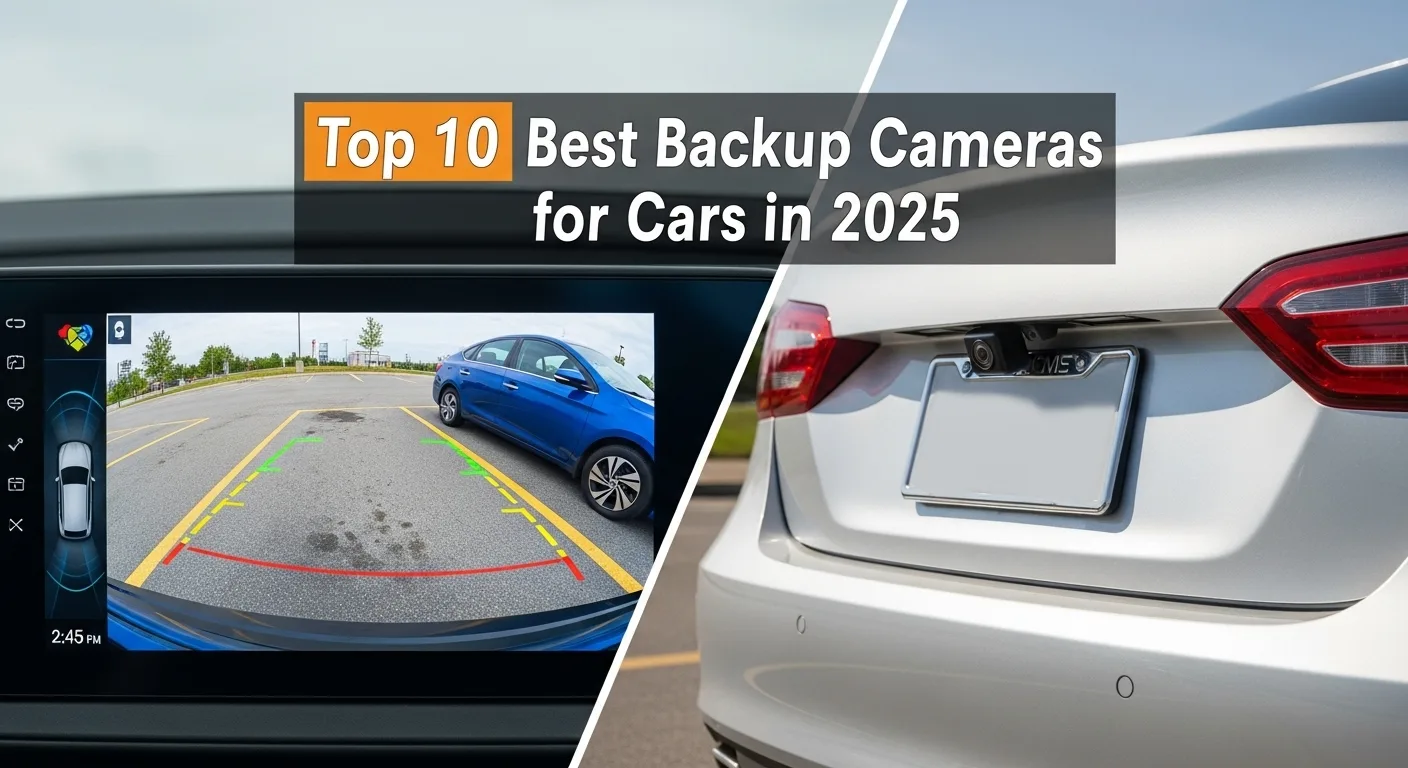
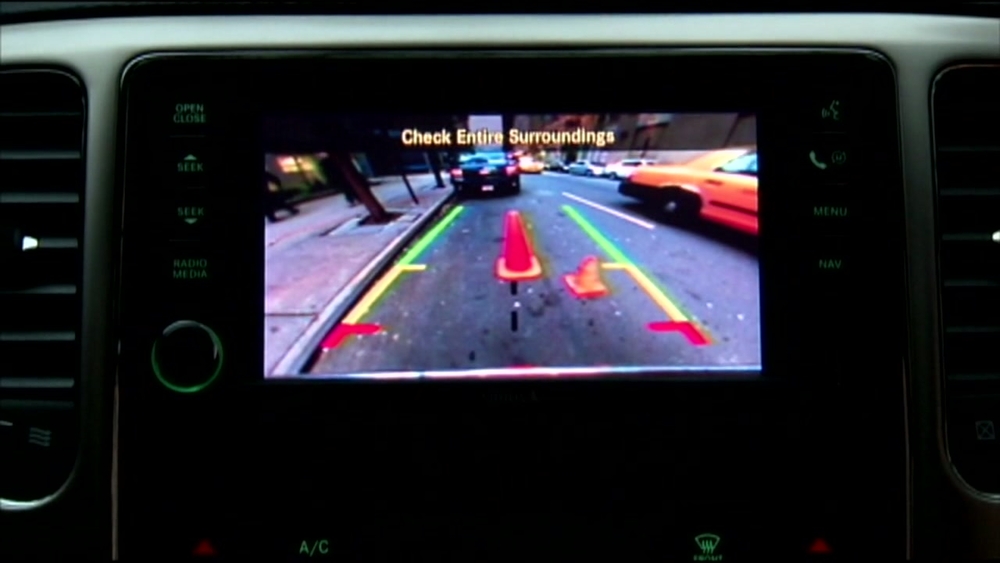
Backup cameras offer numerous advantages. They improve visibility for drivers. This reduces blind spots when reversing. Cameras provide real-time images of what’s behind the vehicle. This technology prevents accidents and saves lives. Drivers feel more confident with backup cameras.
Credit: gadgetslogs.com
History Of Mandates
The history of mandates for backup cameras in cars reveals a journey towards safer roads. This safety feature emerged from the need to reduce tragic accidents involving vehicles reversing. Over time, these cameras became vital in ensuring drivers could see behind their vehicles clearly. The push for mandatory installation brought significant changes in automotive safety standards worldwide.
Early Discussions And Initiatives
Initial discussions about backup cameras began in the late 1990s. Safety experts highlighted the risks of blind spots when reversing vehicles. These blind spots could lead to accidents, often involving children and pedestrians. Early initiatives aimed to encourage manufacturers to adopt better visibility technologies.
National Highway Traffic Safety Administration’s Involvement
The National Highway Traffic Safety Administration (NHTSA) took a keen interest in backup cameras. In 2008, they proposed a mandate requiring all new vehicles to have them. This was part of the Cameron Gulbransen Kids Transportation Safety Act. The act aimed to prevent backover accidents, especially those involving children.
Legislative Milestones
By 2014, significant legislative progress occurred. NHTSA finalized a rule requiring backup cameras in most new vehicles by 2018. This decision marked a pivotal moment in automotive safety history. It ensured that manufacturers integrated this technology into their designs.
Impact On Vehicle Manufacturing
Manufacturers had to adapt to these new requirements. They began developing and installing backup cameras as standard equipment in vehicles. This led to changes in vehicle design, focusing on improved rear visibility. The mandate encouraged technological innovations in camera systems, enhancing their reliability and effectiveness.
Safety Benefits
Backup cameras enhance driving safety by reducing blind spots during reversing. They help prevent accidents and improve visibility for drivers. Installing these cameras in cars ensures a safer driving experience.
Backup cameras in cars enhance safety in various ways. They provide drivers with a clear view of what’s behind the vehicle. This helps prevent accidents, especially in crowded areas. Many cars now come with these cameras as standard, reflecting their importance.Improved Visibility
Backup cameras offer a wide field of view. Drivers can easily spot obstacles or pedestrians. This feature reduces blind spots significantly. It provides a real-time video feed. This assists in precise maneuvering.Accident Prevention
Accidents during reversing are common. Backup cameras reduce these incidents. They alert drivers to unseen hazards. This helps in avoiding collisions. It’s particularly useful in parking lots.Enhanced Child Safety
Children are often hard to see behind vehicles. Backup cameras help detect small children. They provide an extra layer of security. This is crucial in residential areas.Ease Of Parking
Parking can be challenging in tight spaces. Backup cameras simplify parking tasks. They guide drivers with visual cues. This makes parallel parking easier. It reduces stress for drivers.Peace Of Mind
Backup cameras give drivers confidence. They offer reassurance during reversing. Drivers feel more secure with this technology. It adds value to the driving experience.Compliance With Regulations
Many regions require backup cameras in new cars. These regulations aim to enhance road safety. Manufacturers include them to meet legal standards. Compliance ensures safer roads for everyone.Impact On Accident Rates
Backup cameras in cars help reduce accident rates. Drivers can see obstacles behind them, avoiding collisions and injuries. Increased visibility improves safety during reversing maneuvers, especially in crowded areas.
Backup cameras have become a staple in modern vehicles, not just as a luxury but a necessity for enhancing safety. The introduction of these cameras has had a significant impact on accident rates, particularly those involving reversing vehicles. As more vehicles are equipped with backup cameras, we’re beginning to see a shift in the statistics surrounding rear-end collisions and pedestrian accidents.Reduction In Rear-end Collisions
Backup cameras have drastically reduced the number of rear-end collisions. Many drivers struggle with blind spots when reversing, which often leads to accidents. With backup cameras, you have a clear view of what’s behind your car, reducing the likelihood of hitting another vehicle. Imagine how many times you’ve reversed out of a parking spot with limited visibility. Having a camera gives you that extra pair of eyes, offering peace of mind.Safety For Pedestrians And Cyclists
Pedestrians, especially children, are at risk when vehicles reverse. Backup cameras provide a real-time view that can prevent tragic accidents. Remember the last time you backed out of a driveway and worried about children playing nearby? A backup camera allows you to spot them before it’s too late. This added visibility can be crucial during busy school pick-up times or in densely populated areas.Decrease In Insurance Claims
Fewer accidents naturally lead to fewer insurance claims. Many insurance companies recognize this and offer discounts for vehicles equipped with backup cameras. Have you checked with your insurer about potential savings? This small addition to your vehicle can lead to big savings on your insurance premiums. It’s worth asking about, especially if you’re looking to cut down on costs.Enhanced Driver Confidence
Backup cameras not only improve safety but also boost driver confidence. Many drivers feel anxious about reversing, especially in tight spaces. Think about how much more comfortable you feel when you can clearly see what’s behind you. This confidence can lead to smoother and safer driving habits overall. Isn’t it time to embrace technology that not only protects you but also those around you? Backup cameras are proving to be a game-changer in reducing accidents and enhancing road safety.Technology Behind Backup Cameras
The technology behind backup cameras transforms driving safety. These devices offer a clear view of the rear surroundings. They help drivers avoid obstacles while reversing. Understanding the technology can help in choosing the right camera.
Camera Types
There are various types of backup cameras available. The most common is the wired camera, which offers stable video quality. Wireless cameras are easier to install but may have signal issues. Some cameras have night vision features for low-light conditions. Others come with wide-angle lenses for a broader view.
Installation Processes
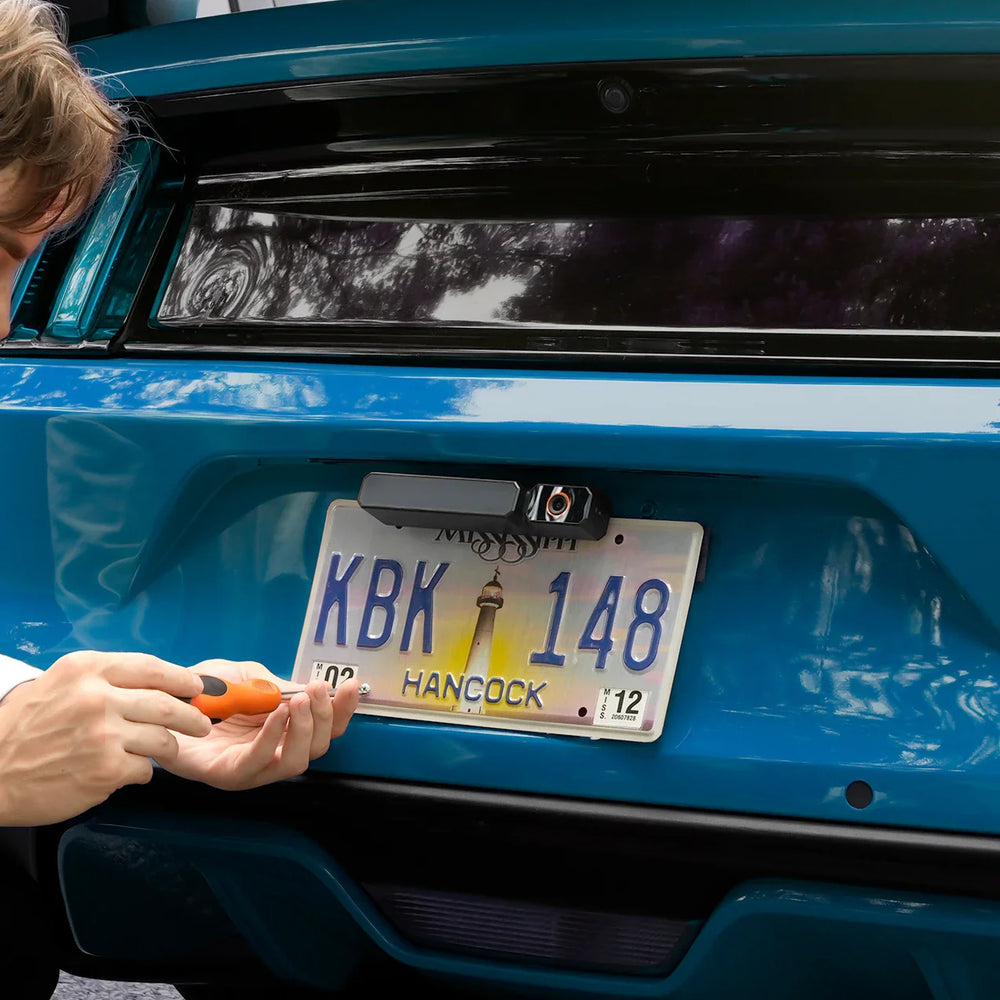
Installing a backup camera can vary by type. Wired cameras need a connection to the vehicle’s electrical system. They often require professional installation. Wireless cameras are simpler and connect via Bluetooth or Wi-Fi. Many cameras mount on the license plate or inside the rear bumper. Proper installation ensures clear video and reliable performance.
Credit: abc13.com
Cost Considerations
Evaluating costs of backup cameras involves considering installation and maintenance expenses. These cameras are now mandatory for new cars, impacting overall vehicle pricing. Potential savings on insurance premiums could offset initial costs over time.
Cost considerations play a crucial role in deciding on backup cameras. These devices enhance safety but also impact your budget. Understanding these costs can help you make informed decisions.Initial Purchase Price
The initial cost of a backup camera varies. Basic models are cheaper, while advanced ones cost more. Features like night vision or wide-angle views increase the price. It’s essential to balance features with your budget.Installation Costs
Installing a backup camera involves additional expenses. Professional installation ensures proper setup. DIY installation saves money but may not be suitable for everyone. Consider your skills before choosing the installation method.Maintenance And Repairs
Backup cameras require regular maintenance. Cleaning the lens ensures clear visibility. Over time, parts may need replacement. Factor in these potential costs when budgeting.Impact On Vehicle Resale Value
Backup cameras can affect your car’s resale value. Vehicles with cameras may attract more buyers. They can increase the perceived value of the car. Consider this potential benefit when evaluating costs.Consumer Perspectives
Backup cameras have become a common feature in modern vehicles. Consumers have diverse opinions about their necessity and effectiveness. Understanding these perspectives helps manufacturers meet consumer needs better.
User Satisfaction
Many drivers appreciate the safety benefits of backup cameras. They feel more secure when reversing their vehicles. These cameras reduce blind spots, preventing accidents. For novice drivers, backup cameras provide extra confidence. They help navigate tight parking spaces with ease.
Parents find these cameras particularly helpful. They ensure children’s safety by providing a clear rear view. Seniors also praise the added visibility. It makes driving less stressful and more comfortable.
Common Concerns
Some consumers worry about the reliability of backup cameras. Concerns arise regarding camera malfunctions and maintenance costs. Others question their effectiveness in harsh weather. Rain and fog can obscure the camera’s view.
Privacy issues also emerge as a common concern. Drivers worry about the potential misuse of recorded footage. Another issue is the over-reliance on cameras. Some fear it may diminish fundamental driving skills.
Future Trends
The rise of backup cameras in cars is shaping future safety standards. These cameras help drivers see behind them, reducing accidents. As technology advances, more vehicles may include them as a standard feature, enhancing road safety for all.
As technology continues to evolve, the future trends for backup cameras in cars are becoming increasingly exciting. These trends are not just about enhancing your driving experience but also about ensuring safety and efficiency. Imagine a world where your car communicates seamlessly with other systems, making your drive smoother and more secure.Advancements In Technology
Backup cameras are set to become smarter and more intuitive. With advancements in AI and machine learning, these cameras could soon recognize objects and alert you in real-time, minimizing the risk of accidents. Picture a camera that not only shows you a live feed but also detects pedestrians or obstacles, giving you an extra set of eyes on the road. Moreover, high-resolution cameras and improved night vision capabilities are on the horizon. These features will ensure that even in low-light conditions, you have a clear view of what’s behind your vehicle. This technology could be a game-changer for nighttime drivers.Integration With Other Systems
The future will likely see backup cameras integrated with other car systems. Imagine your backup camera working alongside your car’s navigation system, offering guidance on parking in tight spots. This integration could transform how you handle challenging driving scenarios. Consider the potential of cameras syncing with emergency braking systems. In the event of a sudden obstacle, the camera could trigger automatic braking, preventing potential collisions. This level of integration not only enhances safety but also boosts your confidence while driving. As these trends unfold, one can’t help but wonder how these innovations will change our driving habits. Will backup cameras become an essential part of every vehicle? As technology advances, it’s exciting to think about the possibilities and how they might make our roads safer for everyone.Alternatives To Backup Cameras
Backup cameras have become standard in many vehicles. But, they are not the only option for ensuring safety while reversing. Some drivers prefer alternatives that suit their specific needs and preferences. These alternatives can enhance safety and provide peace of mind without relying solely on visual technology.
Sensor Systems
Sensor systems are a great alternative to backup cameras. They use ultrasonic or radar technology to detect obstacles. The sensors alert drivers with audible beeps or visual signals. They work well in low-light conditions or when the camera view is blocked.
Some systems provide different alert levels. They increase the intensity as the vehicle gets closer to an object. This helps drivers gauge the distance accurately. Sensor systems are particularly useful in tight parking spaces.
Manual Checks
Manual checks remain a reliable method for safe reversing. Drivers should always turn and look over their shoulder. This provides a direct view of the surroundings, reducing blind spots.
Mirrors play a crucial role too. Adjust side and rearview mirrors to expand your field of vision. Combining mirrors with manual checks ensures no obstacles are missed. It’s an effective practice that complements technology-based solutions.

Credit: luview.com
Frequently Asked Questions
Are Backup Cameras Mandatory In New Cars?
Yes, backup cameras are mandatory in new cars in the United States. Since May 2018, the National Highway Traffic Safety Administration (NHTSA) requires all new vehicles under 10,000 pounds to have backup cameras.
Why Were Backup Cameras Made Mandatory?
Backup cameras were made mandatory to enhance driver visibility and safety. They help prevent accidents by reducing blind spots while reversing. This technology significantly decreases the risk of backover accidents, protecting pedestrians, cyclists, and other vehicles.
How Do Backup Cameras Improve Safety?
Backup cameras improve safety by providing a clear view behind the vehicle. They help drivers avoid obstacles, pedestrians, and other vehicles. This reduces the risk of accidents while reversing. Enhanced visibility ensures safer driving, especially in crowded or narrow spaces.
What Vehicles Are Exempt From This Requirement?
Most vehicles under 10,000 pounds must have backup cameras. However, some older models and commercial vehicles may be exempt. It’s crucial to check specific vehicle regulations to determine compliance with current safety standards.
Conclusion
Backup cameras are crucial for modern car safety. They help prevent accidents. Small displays show clear views behind the car. Drivers can avoid obstacles easily. Laws now require backup cameras in new cars. This ensures safety for everyone. Older models might not have them.
Consider installing one for better safety. Technology makes driving safer today. Backup cameras add great value to any vehicle. Stay aware, drive safely, and embrace helpful tools. Keep your family and pedestrians safe with this simple device. Investing in safety is always wise.