
Imagine you’re driving down a busy street, surrounded by the hustle and bustle of everyday life. Suddenly, an unexpected event occurs—an accident, a near miss, or an unusual sighting.
Wouldn’t it be invaluable to have a silent witness capturing every moment? This is where a car dash cam comes into play. You might have heard about them or even seen them in action, but do you really know how they work?
Understanding the workings of a dash cam can empower you with knowledge, helping you make informed decisions about your driving safety and security. With this article, you’re about to discover how this small yet powerful device operates, offering peace of mind and protection. Stay with us as we unravel the mysteries behind its functioning and explore why having a dash cam might be your smartest move yet.
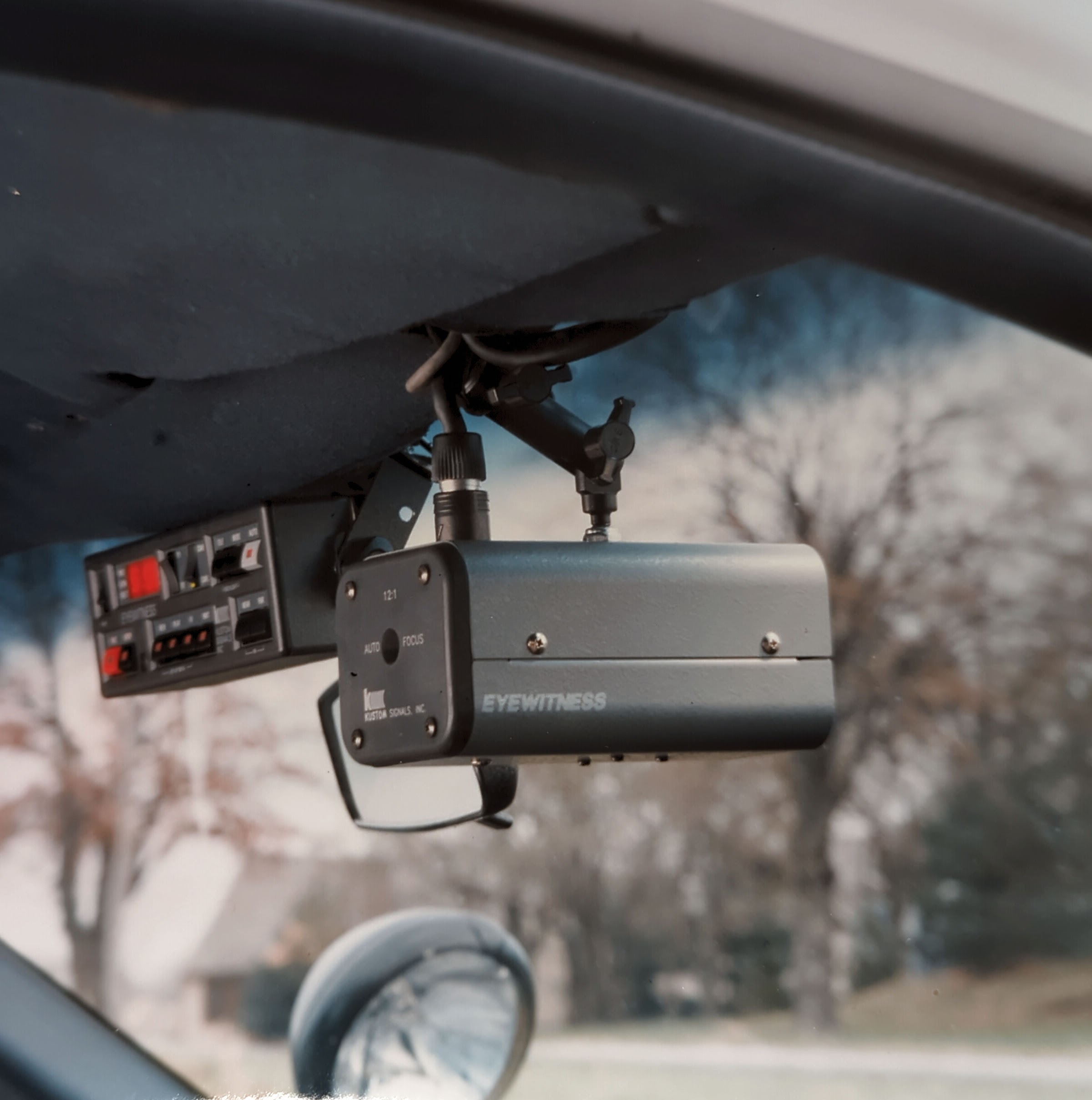
Credit: kustomsignals.com
What Is A Dash Cam?
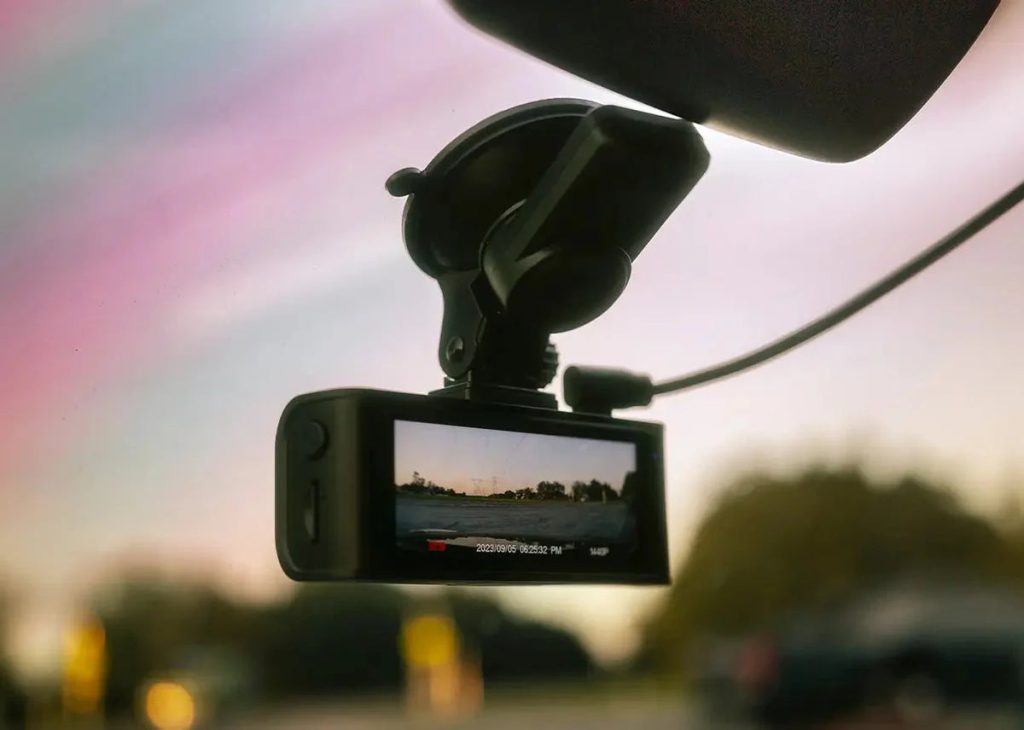
A car dash cam records video through a small camera mounted on the dashboard. It starts recording when the car is on, capturing footage of the road ahead. This footage can help in accidents or disputes, providing clear evidence of events.
Imagine cruising down the highway when suddenly, a reckless driver swerves dangerously close. Your heart races, and you wish you had evidence of their careless driving. This is where a dash cam comes into play. A dash cam, or dashboard camera, is a compact recording device mounted on your car’s dashboard or windshield. It continuously captures video footage of the road ahead, acting as a silent witness during your travels. Whether you’re navigating busy city streets or exploring scenic routes, having a dash cam can provide peace of mind and security.How Does A Dash Cam Work?
Dash cams work by continuously recording your drive, capturing every moment with a wide-angle lens. They start recording automatically when you turn on your car, ensuring you never miss a crucial moment. The camera records video data onto a memory card, usually in loops, overwriting the oldest files when space runs out. Some advanced models even offer features like GPS tracking, night vision, and impact detection.Types Of Dash Cams
There are various types of dash cams, each catering to different needs and preferences:- Single-channel dash cams:These record the road ahead and are perfect for those who want straightforward coverage.
- Dual-channel dash cams:These have an additional rear camera, providing comprehensive coverage of both the front and back.
- 360-degree dash cams:These offer a panoramic view, capturing everything around the vehicle, ideal for rideshare drivers.
Installation And Setup
Setting up a dash cam is a breeze. Most models come with a suction cup or adhesive mount, allowing you to securely attach it to the windshield. Connect it to the car’s power source using the provided cables, or opt for a battery-operated version for simplicity. Adjust the camera angle to ensure a clear view of the road, and you’re ready to hit the road with an extra layer of protection. Dash cams offer a range of benefits that can make a significant difference in your driving experience:- Accident evidence:In case of an accident, dash cam footage can serve as vital evidence to support insurance claims and legal proceedings.
- Parking protection:Some dash cams continue recording even when parked, capturing any incidents like hit-and-runs.
- Travel memories:Capture scenic drives and memorable road trips, creating a personal video journal of your adventures.
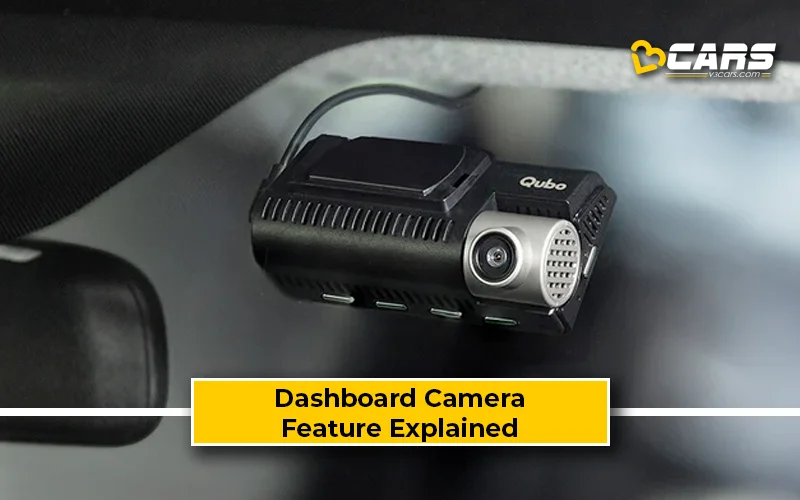
Credit: www.v3cars.com
Key Features Of Dash Cams
Dash cams have become essential gadgets for drivers. They offer peace of mind by capturing footage of road incidents and ensuring accountability. Understanding their key features helps in choosing the right one for your needs.
Video Quality
Video quality is crucial for clear footage. Most dash cams offer HD resolution, ensuring sharp images. Advanced models provide 4K resolution for even finer detail. A wide-angle lens captures a broader view of the road.
Storage Options
Storage options determine how much footage a dash cam can hold. Many use microSD cards, allowing easy upgrades. Some models offer cloud storage, providing secure backup and easy access to files.
Power Supply
Power supply ensures the dash cam operates continuously. Most connect to the car’s cigarette lighter socket. Some have internal batteries for short-term use when the car is off.
Gps And Connectivity
GPS features track the car’s location and speed. Connectivity options like Wi-Fi or Bluetooth allow easy transfer of footage to smartphones. These features enhance usability and keep users informed of their driving habits.
Installation Process
Installing a car dash cam enhances safety and security on the road. Proper installation is key to ensuring optimal performance. In this section, we will guide you through the installation process, making it simple and straightforward.
Choosing The Right Location
The camera’s location affects its view and effectiveness. Place it near the rearview mirror. Ensure it does not obstruct your vision. Test different angles to find the best view. Avoid areas with direct sunlight or glare.
Mounting The Device
Use the adhesive mount or suction cup provided. Clean the windshield area before mounting. Press firmly to secure the device. Adjust the camera lens for a clear view of the road. Ensure the mount holds tight during bumpy rides.
Wiring And Power Connection
Connect the camera to the car’s power supply. Use the cigarette lighter adapter or hardwire kit. Tuck the wires neatly along the edge of the dashboard. Ensure no wires dangle in your field of view. Test the dash cam to confirm it powers on with the ignition.

Credit: www.youtube.com
How Dash Cams Record Footage
Car dash cams capture footage through continuous recording while the vehicle is on. They use wide-angle lenses to capture a broad view. The recorded data is stored on a memory card, automatically overwriting old files when space is full.
How do dash cams seamlessly capture those crucial moments on the road? Understanding how dash cams record footage can help you get the most out of these devices. Let’s dive into the key features that make this possible.Loop Recording
Loop recording is a fundamental feature in most dash cams that ensures continuous recording without missing a moment. The dash cam records video in small segments, typically ranging from 1 to 10 minutes. Once the memory card is full, the oldest footage is automatically overwritten. This means you never have to worry about running out of storage space. It’s a hassle-free way to make sure your dash cam is always ready to record your next drive.Event Detection
Event detection is like having an extra set of eyes on the road. Dash cams equipped with G-sensors can detect sudden movements or impacts. When an unusual event occurs, the camera automatically saves the footage in a separate folder, preventing it from being overwritten. This feature can be a lifesaver in case of an accident, providing you with critical evidence to support your claim.Manual Recording
Sometimes, you need to capture specific moments that aren’t triggered by an event. Manual recording allows you to do just that with the press of a button. Whether it’s capturing a scenic drive or an unexpected roadside event, this feature gives you the flexibility to record whenever you choose. It’s like having your personal documentary crew at your fingertips. How will these features enhance your daily drive and ensure peace of mind? By understanding and utilizing these recording options, you can capture every important moment with confidence.Accessing And Managing Recordings
Access and manage dash cam recordings effortlessly using built-in software or mobile apps. Save, view, and delete files directly. Organize clips for easy retrieval and playback.
Accessing and managing recordings from your car dash cam is crucial. It ensures you can review and utilize footage when needed. With many options available, understanding each can optimize your experience.Transferring Files
Transferring files from a dash cam is straightforward. Most dash cams use a microSD card. Remove the card and insert it into a computer or card reader. This allows you to copy or move files easily. Some dash cams offer USB connections. Connect the device to your computer using a USB cable. This method provides direct access to stored videos.Using Dash Cam Software
Dash cam software often enhances file management. Many manufacturers provide free software. This software helps view, edit, and organize recordings. Users can easily sort through videos. Some programs offer additional features like speed and GPS data. This data can be vital for understanding incidents. Software interfaces are usually user-friendly. They guide you through the process efficiently.Cloud Storage Options
Cloud storage is a modern solution for dash cam users. Some dash cams support automatic uploads. This feature transfers footage to a cloud service instantly. It ensures videos are safe and accessible from anywhere. Cloud storage often comes with subscription plans. These plans provide varying storage capacities. Choose a plan that meets your needs. Storing files in the cloud prevents data loss from physical damage.Benefits Of Using A Dash Cam
Imagine the peace of mind knowing you have a trustworthy witness right on your dashboard. Dash cams are more than just a tech gadget; they’re your silent guardian on the road. Whether you’re a seasoned driver or a newbie, the benefits of using a dash cam can transform your driving experience.
Accident Evidence
Accidents happen unexpectedly, and sometimes it’s hard to prove what really occurred. A dash cam records everything, offering unbiased evidence. This can be crucial if you’re wrongly accused. Picture yourself in a fender bender; with a dash cam, you can confidently present footage showing who was truly at fault.
Insurance Claims
Filing insurance claims can be a hassle, especially when details are disputed. Dash cam footage can streamline this process, providing clear evidence to support your claim. Imagine speeding up the settlement process with undeniable proof. The camera’s eye doesn’t lie, making your claim more credible.
Monitoring Driving Habits
Ever wondered about your driving habits? A dash cam can help you monitor them. You might discover patterns you didn’t notice before, like frequent hard braking or speeding. This insight can help you become a safer driver, ultimately reducing your risk of accidents. Wouldn’t it be intriguing to see your driving from another perspective?
Legal Considerations
Understanding legal considerations is crucial for dash cam usage. Laws vary by location, impacting recording consent and privacy. Ensure compliance with local regulations to avoid legal issues.
Navigating the legal landscape surrounding car dash cams can be quite complex. While these devices offer valuable security and evidence, it’s crucial to understand the legal implications of using them. Knowing what you can and cannot do with your dash cam footage is essential to avoid potential legal pitfalls.Privacy Laws
Privacy laws regarding dash cam usage vary widely from one region to another. In some places, recording audio without consent can land you in hot water. Imagine driving through a state where dual consent is required, and you unknowingly record a conversation. To avoid such issues, always check your local privacy laws before using a dash cam. Some areas have strict regulations around recording in public spaces, while others are more lenient. Make it a habit to stay informed about the laws applicable to you.Use In Court Cases
Dash cam footage can be a double-edged sword in court cases. On one hand, it can be a powerful tool to prove your innocence or substantiate claims. Just think of a scenario where your dash cam captures a hit-and-run incident, providing clear evidence for the authorities. However, not all footage is admissible in court. Legal standards dictate how evidence is collected and presented. Ensure your dash cam is mounted legally and the footage is clear and unaltered. This way, you can maximize its potential as credible evidence. Are you prepared to handle the legal nuances of using a dash cam? Understanding these considerations can save you from unnecessary legal trouble and empower you with the knowledge to use your dash cam effectively.Frequently Asked Questions
What Is A Car Dash Cam?
A car dash cam is a small camera mounted on the dashboard. It records video footage of the road while driving. Dash cams capture incidents for evidence, enhancing safety. They are popular for insurance claims and legal situations. Modern dash cams often have features like GPS tracking and night vision.
How Does A Dash Cam Record?
A dash cam records continuously onto a memory card. Once the card is full, it loops and overwrites old footage. This ensures the most recent events are always available. Many dash cams start recording automatically when the car is turned on.
They also lock important videos during sudden movements.
Can Dash Cams Record At Night?
Yes, many dash cams have night vision capabilities. They use infrared LEDs or advanced sensors to capture clear footage in low light. This is crucial for recording incidents in darkness. High-quality dash cams provide better night-time video clarity, ensuring important details are visible even at night.
Do Dash Cams Have Gps?
Many modern dash cams include GPS functionality. This feature records your car’s speed and precise location. It provides crucial data for accident reports or disputes. GPS-enabled dash cams can also track routes and travel history. This information is helpful for fleet management or personal record-keeping.
Conclusion
A car dash cam captures video for safety and evidence. It records your drive automatically. Simple setup. Plug into the car’s power source. Mount on the windshield. Easy to use, right? These devices help protect you on the road. They provide footage during accidents.
Essential for insurance claims. Dash cams offer peace of mind. You feel secure while driving. They are handy tools for drivers. So, consider installing one in your car. It’s a smart choice. Reliable and convenient. Perfect for every driver. Enjoy the drive with confidence.
Stay safe out there!