
Imagine driving down the road with perfect visibility—clear skies and a clean windshield. But suddenly, a splash of mud or dust clouds your view.
You reach for the washer fluid, and nothing happens. Sound familiar? Knowing where to put washer fluid in your car can save you from such frustrating moments. You’ll discover exactly where to add washer fluid and ensure your windshield is always crystal clear.
With easy steps and simple tips, you’ll master this essential car care task. Keep reading to find out how you can keep your driving experience smooth and safe.
Locating The Washer Fluid Reservoir
Finding the washer fluid reservoir is crucial for maintaining clear visibility. This task is simple and requires no special skills. With a few pointers, anyone can easily locate it.
Opening The Hood Of Your Car
First, open your car’s hood using the release latch inside. This latch is usually near the driver’s side footwell. If unsure, consult your vehicle manual for precise location.
Identifying The Washer Fluid Reservoir
Once the hood is open, look for a plastic container. This reservoir often has a cap with a windshield symbol. The reservoir is usually transparent or slightly colored.
Checking The Reservoir’s Location
In most cars, the reservoir is near the engine or the passenger side. It’s important to check these common areas first. Some vehicles might have it near the driver’s side.
Ensuring Easy Access
Ensure the area around the reservoir is clear. This makes adding fluid simpler and prevents spills. Always check that the cap is securely closed after filling.
Identifying The Washer Fluid Cap
Adding washer fluid to your car might seem like a straightforward task, but finding the right place to pour it can sometimes be tricky. Many people pop open the hood and find themselves staring at a maze of caps and compartments, unsure of which one is the right fit. Identifying the washer fluid cap is crucial to ensure you’re not pouring fluid into the wrong system. Let’s dive into how you can easily locate this cap and get your windshield looking crystal clear.
Locating The Washer Fluid Cap
Start by popping open your car’s hood. The washer fluid reservoir is usually located at the front near the windshield. Look for a plastic cap with a symbol that resembles windshield wipers spraying water. This is your go-to sign.
Recognizing The Symbol
The symbol on the washer fluid cap is often a simple illustration of a windshield with dotted lines indicating spray. It’s designed to be intuitive, but if you’re unsure, consult your car’s manual for clarity. This can save you from making a messy mistake.
Color Of The Cap
Washer fluid caps often come in bright colors like blue or yellow, making them stand out amidst the more muted tones under the hood. This color coding is intentional to help you quickly spot it without second-guessing.
One common mistake is confusing the washer fluid cap with the coolant cap. The coolant cap is usually larger and has warning signs about high pressure. Take a moment to double-check that you’re not about to mix things up.
Safety Tips
Always ensure your car is turned off and cooled down before you open the hood. Although the washer fluid isn’t under pressure, safety should be your priority. Also, keep an eye out for any leaks after adding the fluid.
Have you ever struggled to find the right cap? Share your stories in the comments below. It’s surprising how many people have poured washer fluid into the wrong compartment! By knowing what to look for, you can avoid potential mishaps and keep your windshield spotless.
Steps To Add Washer Fluid
Locate the windshield washer fluid reservoir under the hood. It usually has a blue or yellow cap. Open the cap and pour the washer fluid in until it reaches the fill line.
Adding washer fluid to your car is a straightforward task. It ensures your windshield stays clean and visibility remains clear. Follow these simple steps to add washer fluid effectively.Gather Necessary Supplies
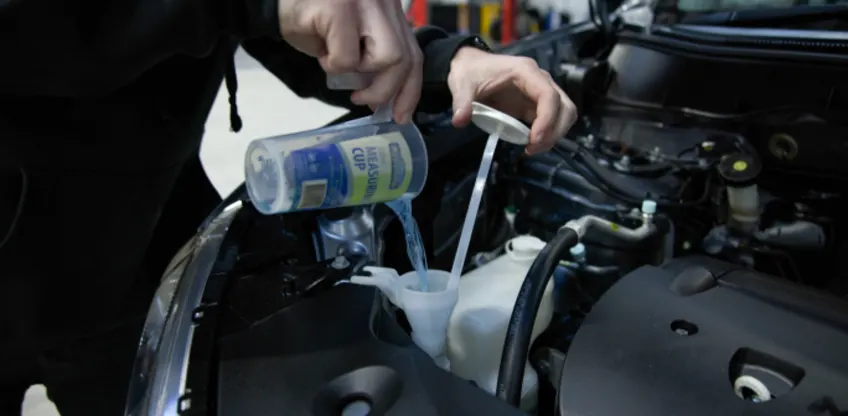
Start by gathering the supplies you’ll need. You’ll need a bottle of washer fluid and a funnel. The funnel helps pour the fluid without spilling. Make sure the washer fluid is suitable for your car’s climate conditions.Open The Hood Safely
Locate the hood release lever inside your car, usually near the driver’s seat. Pull the lever to unlock the hood. Move to the front of the car and find the hood latch. Lift the hood carefully and secure it with the hood prop.Pouring The Fluid Correctly
Identify the washer fluid reservoir. It typically has a cap with a windshield wiper symbol. Open the cap and use the funnel to pour the washer fluid. Fill until you reach the marked line on the reservoir. Close the cap tightly to prevent leaks.
Credit: www.youtube.com
Types Of Washer Fluid
Locate the hood release and open the car’s hood. Find the washer fluid reservoir. It’s usually marked with a windshield wiper symbol. Pour the washer fluid into the reservoir until it reaches the fill line. There are different types of washer fluid, including summer, winter, and all-season varieties.
Understanding the different types of washer fluid can make car maintenance easier. Each type serves a specific purpose. It is important to choose the right one for your needs.Standard Washer Fluid
Standard washer fluid is the most common choice. It cleans dirt and grime from the windshield. This fluid works well in mild weather. It is affordable and easy to find. Most auto stores carry it. It is a great option for everyday use.De-icer Washer Fluid
De-Icer washer fluid is perfect for cold climates. It contains chemicals that melt ice and frost. This fluid keeps the windshield clear in freezing temperatures. It also prevents the washer system from freezing. Choose this fluid during winter months.Bug Remover Washer Fluid
Bug remover washer fluid targets insects on the windshield. It breaks down bug residue quickly. This fluid is ideal for summer drives. It makes removing bugs easy and hassle-free. Many drivers find it helpful on long trips.Tips For Maintaining Washer Fluid Levels
Maintaining proper washer fluid levels in your car is crucial for clear visibility and safe driving. It’s not just about topping up the fluid; it’s about ensuring you’re prepared for different driving conditions and seasons. Here are some practical tips to keep your washer fluid levels in check and ready for any weather.
Regular Checks
Get into the habit of checking your washer fluid regularly. Make it a part of your routine, perhaps every time you fill up your gas tank. This simple practice can prevent you from running out of fluid at an inconvenient time.
Visual inspections are quick. Open the hood and locate the washer fluid reservoir. Most modern cars have a translucent reservoir, making it easy to see the fluid level. If it’s low, it’s time to add more.
Don’t wait for the warning light. While some cars have alerts for low washer fluid, relying solely on these can leave you stranded without visibility in challenging conditions.
Seasonal Considerations
Adjust your washer fluid type according to the season. In colder months, use a fluid with antifreeze properties to prevent freezing. Summer calls for fluid that can handle bug splatter and dust.
Consider the climate you drive in. If you live in a rainy area, you might need to top off the fluid more frequently due to frequent use. In dry climates, dust accumulation requires regular cleaning, so keep an eye on the fluid levels.
Store extra washer fluid. Keeping a spare bottle in your trunk ensures you’re never caught off guard. It’s a small, inexpensive measure that can make a big difference in visibility and safety.

Credit: www.carsales.com.au
Common Mistakes To Avoid
Adding washer fluid to your car might seem straightforward, but there are common mistakes that can lead to issues down the road. It’s easy to overlook small details that can make a big difference in the longevity and efficiency of your vehicle’s washer system. Let’s dive into these common pitfalls and ensure you’re not falling prey to them.
Overfilling
Many drivers assume that more washer fluid means better performance. However, overfilling the washer fluid reservoir can actually cause damage. Excess fluid can lead to leaks, affecting other components under the hood. Always fill the reservoir to the marked level; it’s there for a reason!
Have you ever filled a glass to the brim and tried to carry it without spilling? The same principle applies here. Overfilling can cause unnecessary mess and might even lead to a slippery surface under the hood, posing risks during maintenance.
Using Water Instead
Some might think that water is a cost-effective alternative to washer fluid. But plain water doesn’t contain the necessary cleaning agents or freeze protection that proper washer fluid provides. Especially in colder climates, water can freeze, leading to cracked hoses and a non-functional washer system.
Imagine trying to clean a greasy pan with just water—it doesn’t work effectively, right? That’s what happens when you use water instead of washer fluid in your car. Stick to the real deal to avoid streaks and ensure clear visibility while driving.
Troubleshooting Washer Fluid Issues
Locate the washer fluid reservoir under the hood of your car. It usually has a blue cap with a windshield icon. Open it and pour the washer fluid directly into the reservoir until it reaches the fill line.
Troubleshooting Washer Fluid Issues Dealing with washer fluid problems can be frustrating, especially when you need a clear windshield. You’ve filled the reservoir, but nothing’s coming out, or maybe it’s just a weak squirt. Before you panic, understanding common issues can save you time and effort.Clogged Nozzles
Clogged nozzles are a frequent culprit behind washer fluid woes. Dirt and debris can block the tiny openings, preventing fluid from spraying onto your windshield. To fix this, use a pin or needle to gently clear the clog. Be cautious not to damage the nozzle. If you’re often driving on dusty roads, regular cleaning of the nozzles can prevent future clogs.Faulty Pump
A faulty pump can leave you high and dry without washer fluid when you need it most. Listen for a humming sound when you activate the washer; silence may indicate a pump issue. Check for loose or disconnected wires connected to the pump. Reconnecting a loose wire might solve the problem. If the pump is indeed faulty, replacing it could be necessary. Consider consulting your vehicle’s manual or a professional if you’re unsure about doing it yourself. Could it be time to inspect your washer fluid system, ensuring it’s in top shape for the next unexpected rain or dust storm?
Credit: www.carparts.com
Frequently Asked Questions
Where Is The Washer Fluid Reservoir Located?
The washer fluid reservoir is usually found under the hood. Look for a translucent container with a windshield wiper symbol on the cap. It’s typically on the driver’s side but may vary. Always consult your vehicle’s manual for precise location details.
How To Open Washer Fluid Reservoir Cap?
To open the washer fluid reservoir cap, twist it counterclockwise until it loosens. Some caps may have a safety latch. Ensure you do not force it open to avoid damage. Refer to your vehicle’s manual if unsure.
Can I Use Water Instead Of Washer Fluid?
While water can be used in emergencies, it lacks cleaning agents. Washer fluid is specially formulated to clean and prevent freezing. For optimal performance, use the recommended washer fluid for your vehicle. Always check your vehicle’s manual for guidance.
How Often Should I Refill Washer Fluid?
Refill your washer fluid whenever it’s low, ideally every few months. Frequency depends on usage and weather conditions. Regular checks ensure your windshield remains clean and clear. Always keep an extra bottle in your vehicle for emergencies.
Conclusion
Locating the washer fluid spot is simple and quick. Open the hood and find the cap with a windshield wiper icon. Pour in the washer fluid carefully. Ensuring the fluid is filled helps maintain clear visibility. Regular checks prevent running out when needed most.
Anyone can do it with a little practice. Keep your windshield clean for safer driving. Check the level often for peace of mind. A clean windshield means a clear view of the road. It’s a small task with big benefits for your safety.
Stay safe and keep your windshield clean.